
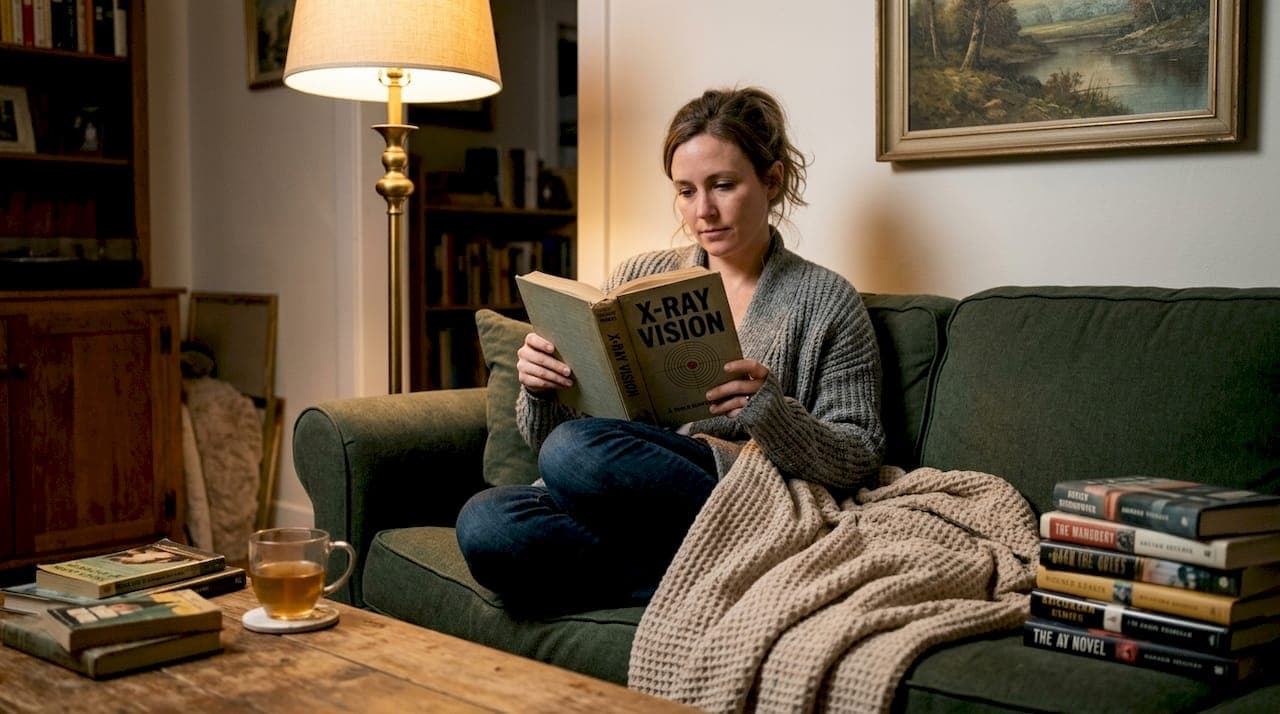
Horror books get a bad reputation. Many people assume they exist purely to shock, disturb, or keep you up at night. But the truth is far more fascinating. Horror literature reflects societal fears and cultural anxieties, acting as a mirror for politics, race, gender, and historical trauma. For American readers, these stories do something remarkable: they help us face what we fear most, process collective pain, and even raise emotionally stronger children. Whether you're a lifelong horror fan or a parent wondering if spooky books belong on your kid's shelf, this guide will change how you see the genre.
Table of Contents
- How horror books reflect our deepest fears
- Why horror reading builds emotional and psychological resilience
- Horror in children's books: How spooky stories nurture imagination and empathy
- Cultural legacies: Why American horror stories endure over time
- Explore and share the world of horror books
- Frequently asked questions
Key Takeaways
| Point | Details |
|---|---|
| Cultural reflection | Horror books mirror society’s fears and help readers understand deeper cultural issues. |
| Building resilience | Reading horror stories can strengthen coping skills and emotional growth in both adults and kids. |
| Nurturing imagination | Age-appropriate horror fuels creativity and empathy, especially for younger readers. |
| Lasting impact | Classic and modern horror literature continues to shape American culture. |
How horror books reflect our deepest fears
Horror has never just been about monsters under the bed. The best horror stories hold up a mirror to the world around us, and what stares back is often uncomfortably familiar.
"Horror books reflect societal fears and cultural anxieties, serving as a mirror for politics, race, gender, and historical traumas." — Blood, Guts, and Politics
Think about what horror fiction does at its core. It takes the things we can't say out loud and wraps them in a story. A haunted house isn't just a haunted house. It's isolation, grief, or the weight of generational trauma made visible. A monster isn't just a monster. It's racism, economic collapse, or the fear of the "other" given a terrifying face.
Here are some of the most powerful ways horror literature reflects real-world anxieties:
- Race and identity: Books like Lovecraft Country by Matt Ruff use supernatural horror to expose the very real terror of racism in mid-century America.
- Gender and power: Gothic horror, from Rebecca to The Yellow Wallpaper, channels the suffocating experience of women trapped by societal expectations.
- Political fear: Cold War horror tapped into nuclear anxiety, while modern horror often reflects surveillance, technology, and loss of privacy.
- Historical trauma: Horror set in specific historical periods forces readers to confront events that mainstream culture often glosses over.
Shirley Jackson's The Haunting of Hill House is a definitive cultural achievement in American horror. Jackson didn't just write a ghost story. She wrote about psychological disintegration, loneliness, and the terror of losing one's sense of self. That's why it still resonates decades later.
Exploring classic horror books reveals a consistent pattern: the scariest stories are always rooted in something real. The supernatural is just the vehicle. The destination is always human truth. That's what makes this horror genre discussion so endlessly rich.
Why horror reading builds emotional and psychological resilience
Understanding horror's cultural message, let's explore its surprising ability to help readers grow emotionally. This is where the genre gets genuinely exciting.
Controlled fear is a powerful tool. When you read a horror novel, your brain experiences a version of fear without real-world consequences. You feel the tension, the dread, the spike of adrenaline. Then you close the book and you're safe. That cycle, repeated through reading, actually trains your emotional responses.
Here's how horror builds resilience for both adults and children:
- Safe exposure to fear: Horror lets readers rehearse frightening scenarios without real danger, reducing anxiety responses over time.
- Emotional processing: Stories create narrative distance, allowing readers to process difficult emotions like grief, anger, or helplessness through a fictional lens.
- Coping skill development: Characters who survive horror model problem-solving, courage, and perseverance under extreme pressure.
- Empathy building: Experiencing fear alongside a character deepens emotional intelligence and compassion.
- Confidence through completion: Finishing a scary book gives readers a genuine sense of accomplishment and proof that they can handle discomfort.
Horror books build psychological resilience by helping American readers process cultural fears, from racism to modern anxieties, in a structured, narrative-driven way.
Adults and children benefit differently. Adults often use horror to externalize and examine fears they already carry. Children, on the other hand, are still building their emotional vocabulary. A well-chosen scary story gives them a framework for understanding fear before life delivers the real thing.
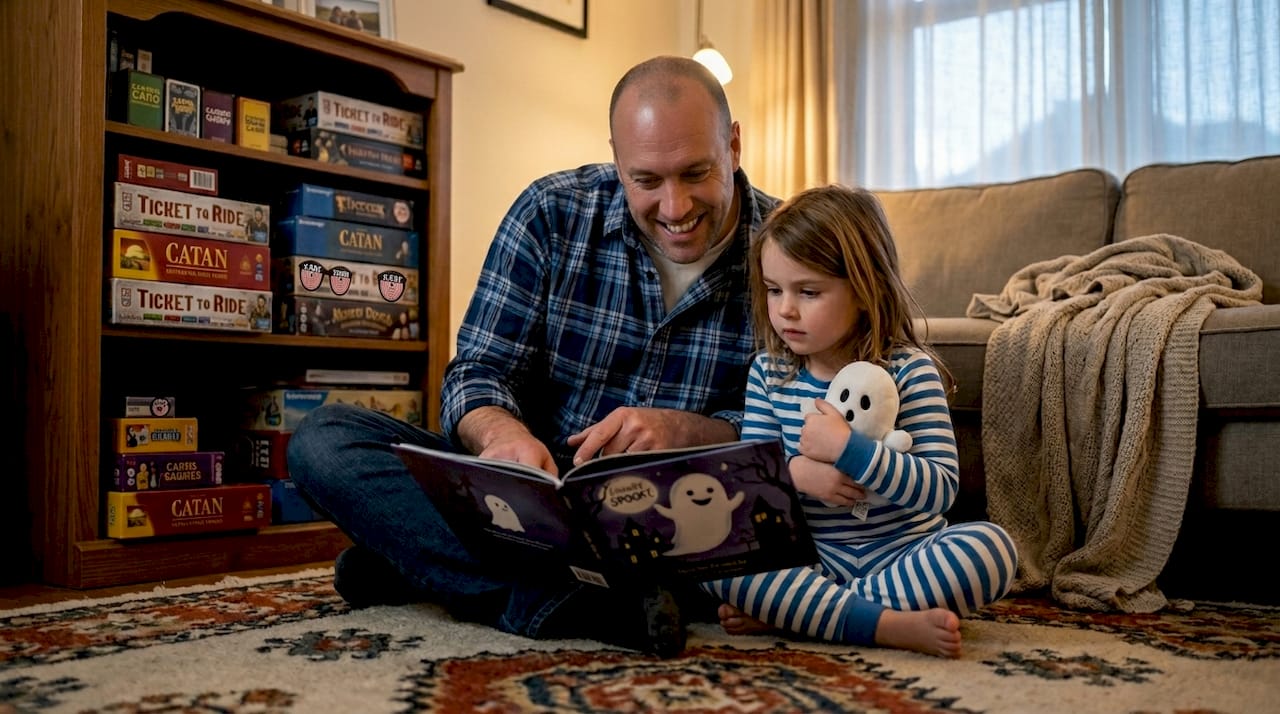
Pro Tip: If you're introducing a child to horror, read the book alongside them. Discussing what scared you both and why turns a spooky story into a powerful emotional learning session.
The benefits of ghost stories go far beyond entertainment. And research into how scary stories build courage in children confirms what many parents already sense intuitively: a little fear, handled well, makes kids stronger.
Horror in children's books: How spooky stories nurture imagination and empathy
Having seen how horror helps all readers, it's vital to focus on its place in shaping young minds. Children's horror is a unique and valuable category, and it deserves more credit than it gets.
Monsters, ghosts, and eerie adventures do something magical for kids. They spark creativity, stretch the imagination, and teach children that fear is something you can face and survive. The key is matching the intensity of the story to the child's developmental stage.
Horror uses metaphors powerfully, with monsters representing societal evils, and for children, the critical factor is calibrating that intensity to where they are developmentally.
Here's a quick guide for parents:
| Age range | Recommended horror style | Key benefit |
|---|---|---|
| 4 to 6 years | Gentle spooky tales, friendly monsters | Imagination, comfort with the unknown |
| 7 to 9 years | Mild mystery and ghost stories | Problem-solving, emotional vocabulary |
| 10 to 12 years | Suspenseful adventures, light horror | Resilience, empathy, critical thinking |
| 13 and up | Full horror novels, complex themes | Emotional depth, cultural awareness |
When children identify with a character who is scared but keeps going, they internalize that behavior. That's empathy and courage being built in real time. Stories about monsters foster imagination in ways that straightforward adventure stories simply can't match.
Here are a few things parents can do to make children's horror a positive experience:
- Preview the book first to gauge intensity and themes.
- Talk about the story after reading, focusing on how characters handled fear.
- Normalize being scared by sharing your own reactions honestly.
- Let the child set the pace. If they want to stop, stop. Horror should never feel forced.
Pro Tip: Look for children's horror that centers on a child protagonist solving the mystery or overcoming the monster. These stories are especially effective at building a "I can handle this" mindset.
A solid classic horror for children reading list is one of the best gifts you can give a young reader. It opens a door to a genre that will serve them for life.
Cultural legacies: Why American horror stories endure over time
It's not just about personal or child growth. Horror literature boasts a rich legacy in American culture that spans generations, and its staying power is no accident.
American horror has always evolved alongside the nation's fears. In the early 20th century, H.P. Lovecraft channeled anxieties about the unknown and the collapse of familiar order. His cosmic horror, the idea that the universe is indifferent and vast, still echoes through modern storytelling. Then came Shirley Jackson, whose cultural achievement in The Haunting of Hill House redefined psychological horror for generations.
"The Haunting of Hill House stands not merely as a horror novel but as a definitive work of American literary fiction." — City Journal
Here's how traditional and modern American horror compare:
| Element | Traditional horror (pre-1980s) | Modern horror (1980s to present) |
|---|---|---|
| Primary fear | The unknown, supernatural forces | Social anxiety, identity, technology |
| Setting | Isolated houses, rural landscapes | Suburbs, cities, digital spaces |
| Monster type | Ghosts, cosmic entities, creatures | Systemic evil, psychological threats |
| Cultural mirror | War, industrialization, immigration | Racism, surveillance, climate fear |
| Format | Novels, short story collections | Novels, podcasts, Creepypasta, film |
Creepypasta represents one of the most fascinating modern evolutions of the genre. Born on the internet, these short horror stories spread virally and tap into digital-age fears: anonymity, isolation, and the unsettling feeling that something is watching. They prove that the scary story themes that drove horror in 1920 still drive it today, just through a different lens.
What makes horror timeless is its adaptability. Every generation finds new fears, and horror literature absorbs them. Exploring horror genres reveals just how wide and varied this tradition has become, from gothic romance to body horror to supernatural thrillers.
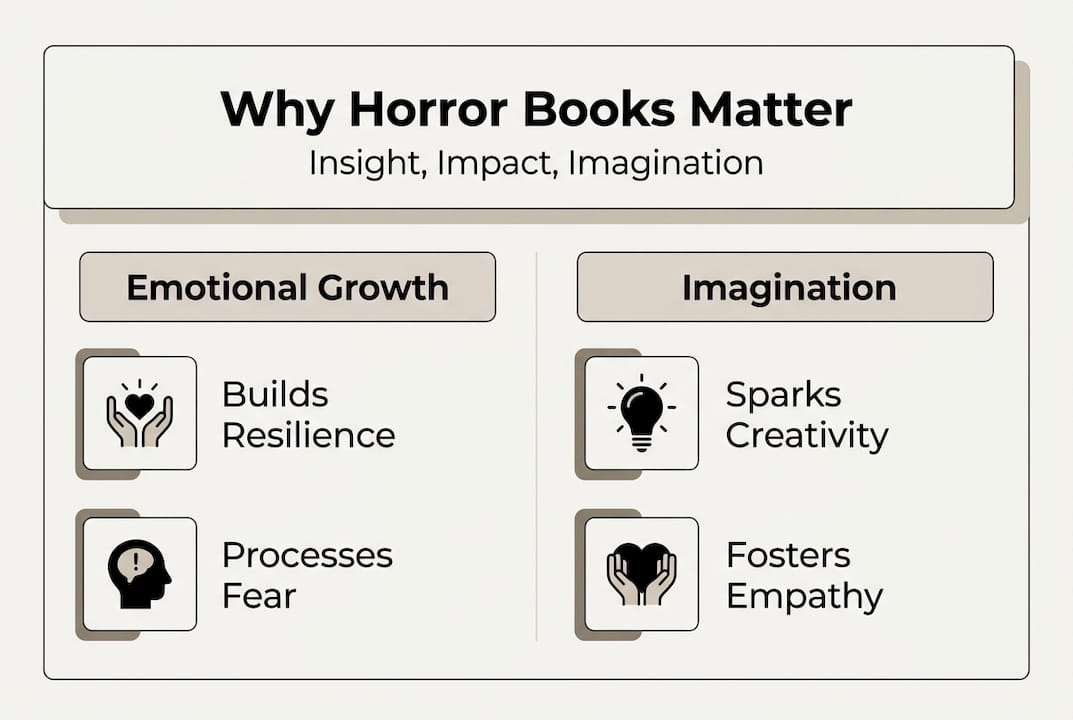
Sharing scary stories across generations is a ritual as old as humanity. Around campfires, in bedrooms with flashlights, or curled up with a paperback, horror connects us through the shared experience of fear. That's not something any other genre does quite the same way.
Explore and share the world of horror books
Ready to feel that unsettling tension for yourself, or find the perfect spooky story for the young reader in your life? Mark Watson Books has you covered. Whether you're hunting for adult horror that cuts deep or age-appropriate children's stories that spark imagination without nightmares, there's something waiting for you.

Browse the bestselling horror collection for titles that deliver genuine chills alongside real cultural weight. If you're shopping for younger readers, the children's horror book selection is carefully curated to match imagination with age-appropriate intensity. And if you're drawn to the viral, digital side of the genre, don't miss the creepypasta book picks that bring internet horror legends to life on the page. Don't wait. Your next favorite horror read is one click away.
Frequently asked questions
How do horror books help children develop resilience?
By experiencing controlled fear in stories, children practice managing emotions and coping with anxiety in a safe environment. Horror books build psychological resilience by letting kids process cultural and personal fears through narrative distance.
What makes a horror book culturally significant?
A horror book becomes culturally significant when it reflects or challenges the fears and social issues of its era. Books that use horror as a mirror for politics, race, and gender tend to outlast their moment and become enduring works.
Are horror books appropriate for all ages?
Horror books should be matched to the reader's age and emotional sensitivity, with children's horror focusing on imagination and gentle suspense rather than intense fear. The key is matching intensity to the child's developmental stage.
Which American horror novels are considered classics?
Shirley Jackson's The Haunting of Hill House and works by H.P. Lovecraft are cornerstones of the American horror tradition. Jackson's novel in particular is recognized as a definitive cultural achievement in the genre.