
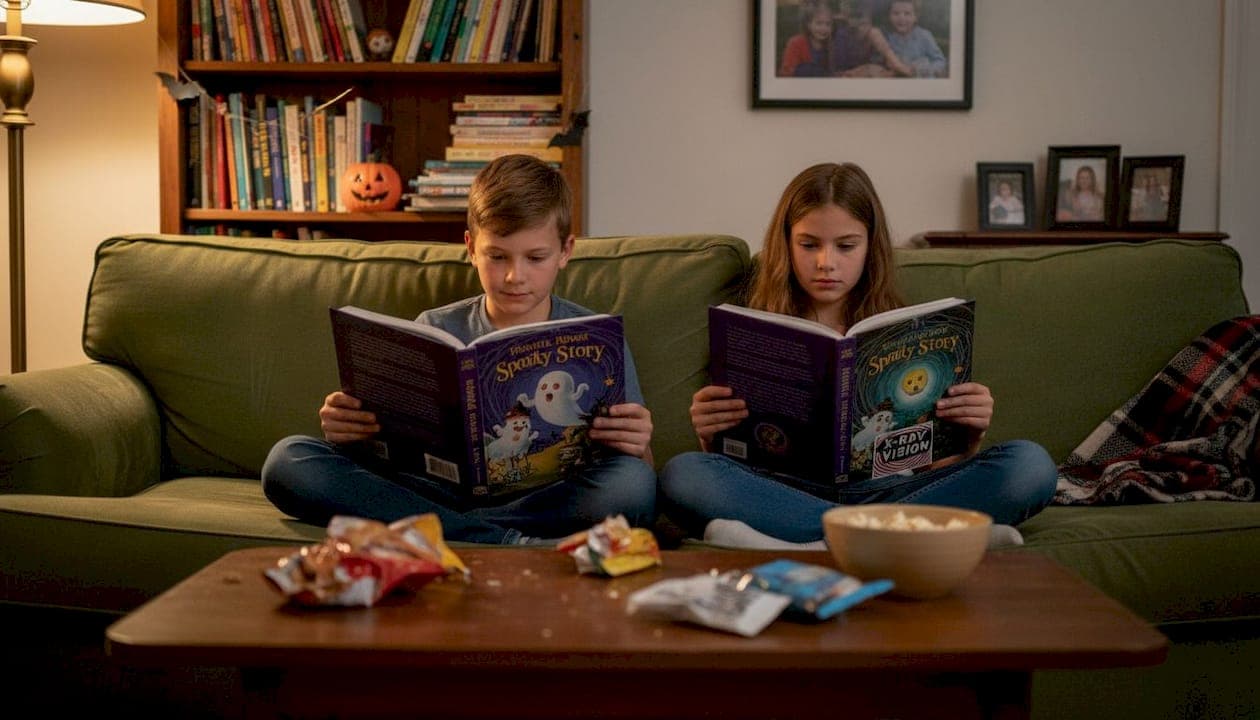
Many parents worry that horror books will terrify their children or give them nightmares. The truth is, classic horror literature designed for kids aged 8-12 offers age-appropriate scares that build courage and imagination rather than trauma. These carefully crafted stories introduce spooky themes through mysteries, ghosts, and mild suspense while maintaining emotional safety. This guide helps you understand what makes classic horror suitable for children, its surprising benefits, and how to choose books that will foster a genuine love of reading while respecting your child's comfort level.
Table of Contents
- Key takeaways
- Defining classic horror for children
- Why classic horror literature benefits children
- Popular classic horror books and authors for children ages 8-12
- How to select and introduce classic horror books to your child
- Explore classic children's horror books at Mark Watson Books
- Frequently asked questions
Key Takeaways
| Point | Details |
|---|---|
| Age appropriate scares | Classic horror for children uses spooky themes with no graphic violence to match the eight to twelve reading level. |
| Builds courage and imagination | These stories let kids confront fear safely, boosting courage, creativity, and emotional resilience. |
| Notable kid authors | Well known writers such as R. L. Stine and Mary Downing Hahn create series specifically designed for ages eight to twelve. |
| Parental guidance advised | Parents should assess their child's temperament and start with milder stories, and consider reading together to ensure a positive experience. |
Defining classic horror for children
Classic horror literature for children creates an entirely different experience than adult horror. These stories embrace supernatural elements, mysterious atmospheres, and spine-tingling suspense while carefully avoiding content that could genuinely traumatize young readers. The themes of scary stories designed for kids focus on imagination rather than shock value.
Children's classic horror typically features ghosts wandering old houses, friendly monsters learning life lessons, mysterious happenings that characters must solve, and creepy but not gruesome situations. The stories maintain emotional safety by providing clear boundaries between fiction and reality. Authors writing for this age group understand the developmental stage of 8-12 year olds, crafting narratives that challenge without overwhelming.
The language in these books matches reading levels appropriate for middle grade readers, using vocabulary that educates while remaining accessible. Many classic children's horror stories incorporate humor alongside scares, creating a balanced emotional experience. Characters often triumph through cleverness, bravery, or friendship, teaching positive values while delivering thrills.
What truly distinguishes children's horror from adult versions is the resolution. While adult horror may leave readers unsettled or present ambiguous endings, classic horror for children typically provides closure and often positive outcomes. This structure allows kids to experience the excitement of fear while maintaining a sense of security.
Key characteristics of age-appropriate classic horror include:
- Supernatural or mysterious elements without graphic violence or gore
- Age-appropriate vocabulary and sentence structure for 8-12 year olds
- Suspenseful plots that engage critical thinking and problem solving
- Characters children can relate to facing spooky situations
- Balanced tone mixing scares with humor or lighter moments
- Clear fiction boundaries and typically reassuring resolutions
Why classic horror literature benefits children
Reading scary stories helps children develop courage and emotional resilience by creating safe spaces to confront fears. When kids read about characters facing ghosts, monsters, or mysterious dangers, they experience fear vicariously without real danger. This controlled exposure builds confidence in their ability to handle uncomfortable emotions.
Classic horror stimulates imagination in unique ways. The mysterious and supernatural elements require readers to visualize scenarios beyond everyday experience. Kids must engage their creativity to picture haunted settings, imagine what lurks in shadows, or predict how characters will escape danger. This mental exercise strengthens creative thinking skills that transfer to other areas of learning and problem solving.
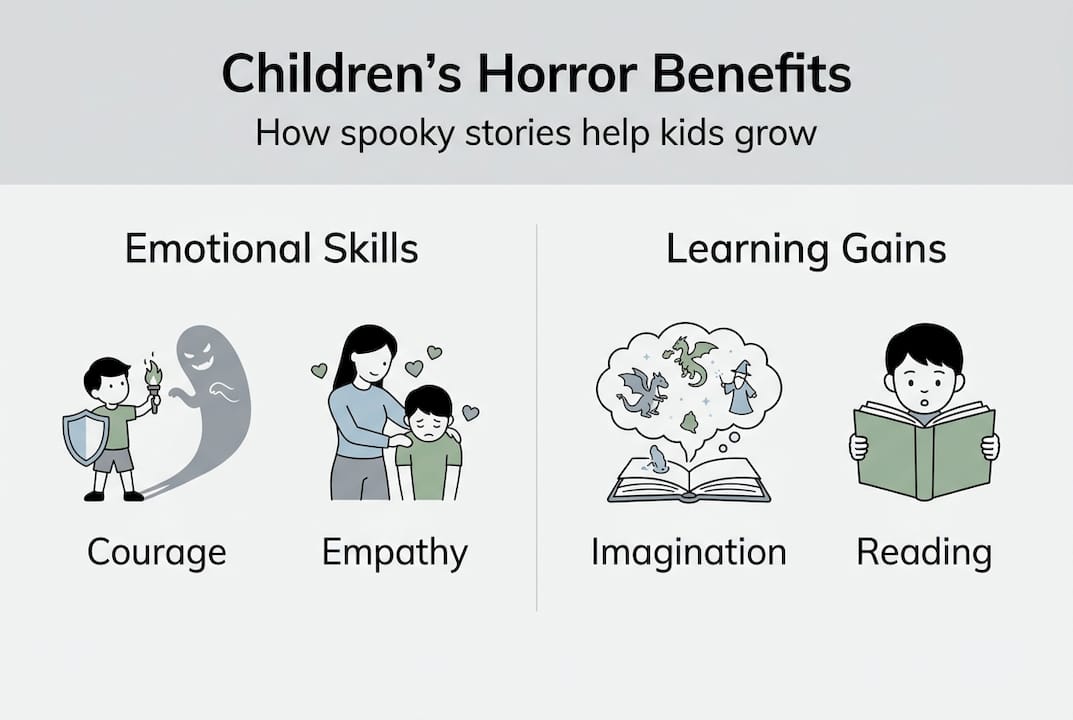
These stories also develop empathy and emotional intelligence. As children follow protagonists through frightening situations, they practice understanding different emotional states and coping strategies. They learn that fear is normal, that bravery means acting despite fear, and that challenges can be overcome through persistence and clever thinking.
Classic ghost stories aid reading skills and cultural understanding by introducing folklore and storytelling traditions from various cultures. Many classic horror tales for children draw from cultural heritage, teaching kids about different beliefs, customs, and historical contexts. This exposure enriches their worldview while making reading feel relevant and exciting.
Perhaps most importantly, horror literature hooks reluctant readers. Kids who find traditional stories boring often discover that spooky tales capture their attention immediately. The suspense creates natural motivation to keep reading, building reading stamina and fluency. Once engaged through horror, many children develop broader reading habits.
Pro Tip: Use scary stories as conversation starters about emotions. After reading together, ask your child what parts felt scary, how the characters showed bravery, and what they would do in similar situations. This processing helps build emotional vocabulary and critical thinking.
Benefits of classic horror for children:
- Builds courage through safe exposure to fictional fears
- Stimulates imagination and creative visualization skills
- Develops empathy by exploring characters' emotional experiences
- Introduces cultural folklore and storytelling traditions
- Engages reluctant readers through exciting, suspenseful content
- Teaches problem solving as characters overcome spooky challenges
Popular classic horror books and authors for children ages 8-12
Several authors have mastered the art of age-appropriate horror for middle grade readers. R.L. Stine stands as perhaps the most recognized name, with his Goosebumps series introducing millions of children to spooky reading. His stories blend humor with scares, featuring kids who encounter everything from haunted masks to living dummies. The formulaic structure provides comfort while the creative premises keep readers engaged.
Alvin Schwartz created the legendary Scary Stories to Tell in the Dark series, collecting folklore and urban legends with an eerie tone. These short stories work perfectly for kids testing their fear tolerance, as they can read one tale at a time. The accompanying illustrations by Stephen Gammell add atmospheric creepiness without graphic content.
Mary Downing Hahn writes longer, more atmospheric ghost stories like Wait Till Helen Comes and The Doll in the Garden. Her books feature realistic family dynamics alongside supernatural elements, helping children connect emotionally with protagonists. The pacing builds suspense gradually, rewarding patient readers with genuinely spooky payoffs.
Other notable authors include Neil Gaiman, whose Coraline presents a dark fantasy perfect for brave readers, and Lemony Snicket, whose A Series of Unfortunate Events mixes gothic atmosphere with clever wordplay. These children's classic horror books offer variety in tone, style, and scare level.
| Book/Series | Author | Age Range | Content Description |
|---|---|---|---|
| Goosebumps series | R.L. Stine | 8-12 | Light horror with humor, monsters, and mysteries |
| Scary Stories to Tell in the Dark | Alvin Schwartz | 10-12 | Folklore and urban legends, short format |
| Wait Till Helen Comes | Mary Downing Hahn | 9-12 | Atmospheric ghost story with family themes |
| Coraline | Neil Gaiman | 10-12 | Dark fantasy, parallel world, creepy imagery |
| Small Spaces | Katherine Arden | 9-12 | Modern ghost story, friendship, scarecrows |
Pro Tip: Check reading level alongside age recommendations. Some 8 year olds read at 10 year old levels and vice versa. Match the book to your child's actual reading ability for the best experience.
The variety within children's horror means parents can find stories matching their child's specific interests, whether they prefer ghost tales, monster adventures, mysterious puzzles, or folklore collections.
How to select and introduce classic horror books to your child
Selecting the right horror book requires understanding your individual child. Some 8 year olds handle intense stories easily while some 12 year olds prefer gentler content. Assess your child's general anxiety level, how they respond to scary movies or stories, and their expressed interest in spooky themes. This evaluation prevents choosing books that overwhelm rather than excite.
Start with milder options and gradually increase intensity as your child builds confidence. Beginning with humorous horror like early Goosebumps books or short folklore collections allows kids to test their comfort level without committing to lengthy, intense narratives. Watch for signs they're ready for more challenging content, like asking for scarier books or breezing through current selections.
Reading books yourself first, or reading together with your child, provides crucial context. You'll know exactly what content appears and can prepare for questions or concerns. Shared reading also creates opportunities to pause during tense moments, discuss what might happen next, and process scary parts together. This collaborative approach builds trust and makes the experience bonding rather than isolating.
Follow these steps for successful introduction:
- Research age-appropriate titles using trusted sources and reviews from other parents
- Read book summaries and sample chapters to understand content and tone
- Discuss with your child what types of spooky stories interest them most
- Start with one book rather than buying a series, gauging reaction first
- Create a comfortable reading environment with good lighting and cozy spaces
- Check in regularly about how the story makes them feel
- Watch for signs of distress like nightmares, anxiety, or reluctance to continue
- Respect their boundaries if they want to stop reading a particular book
Consider your child's existing interests when selecting horror books. Kids who love mysteries might enjoy horror with puzzle elements. Animal lovers might prefer stories featuring creature encounters. Matching horror themes to established interests increases engagement.
Pro Tip: Use horror stories as springboards for creative activities. After reading, encourage your child to write their own spooky tale, draw scenes, or discuss how they'd change the ending. This active processing transforms passive fear into creative empowerment.
Explore classic children's horror books at Mark Watson Books
Finding quality horror literature tailored specifically for children becomes simpler when you explore curated collections designed with young readers in mind. Mark Watson Books offers carefully selected titles that balance genuine spookiness with age-appropriate content, helping parents confidently choose books that will thrill rather than traumatize.
The children's horror book collection features classics alongside modern favorites, all vetted for the 8-12 age range. You'll find everything from gentle ghost stories perfect for sensitive readers to more intense supernatural adventures for brave bookworms. Each selection considers reading level, thematic content, and the developmental needs of middle grade readers.

Browse the children's book selection to discover options spanning various horror sub-genres. Whether your child gravitates toward folklore collections, mystery-horror hybrids, or creepypasta horror stories adapted for younger audiences, you'll find trusted options that make selecting the right book straightforward and stress-free.
Frequently asked questions
Is classic horror literature safe for children aged 8-12?
Yes, when properly selected for age and individual temperament. Classic children's horror avoids graphic violence, excessive gore, or psychologically damaging content. These stories are specifically written to provide thrills within safe boundaries, teaching courage and critical thinking rather than causing trauma.
How do I know if my child is ready for horror books?
Observe how your child handles mildly scary content in movies, stories, or real life. If they show curiosity about spooky themes, enjoy suspense, and can distinguish fiction from reality, they're likely ready. Start with lighter options and watch their response before progressing to more intense material.
What if my child gets nightmares from horror books?
Nightmares indicate the content exceeded their current comfort level. Pause reading that particular book and switch to gentler stories. Discuss the difference between story fears and real life, read together rather than alone, and avoid reading right before bedtime. Most children outgrow sensitivity with gradual exposure.
Can horror books actually help reluctant readers?
Absolutely. The suspenseful nature of horror creates natural motivation to keep reading and find out what happens next. Many children who resist traditional literature become enthusiastic readers when they discover age-appropriate scary stories that capture their imagination and make reading feel exciting rather than tedious.
Should I preview books before giving them to my child?
Previewing is highly recommended, especially when introducing horror for the first time. Reading summaries, sample chapters, or the entire book helps you assess whether content matches your child's maturity level and your family values. This preparation also lets you anticipate questions and provide context when needed.