
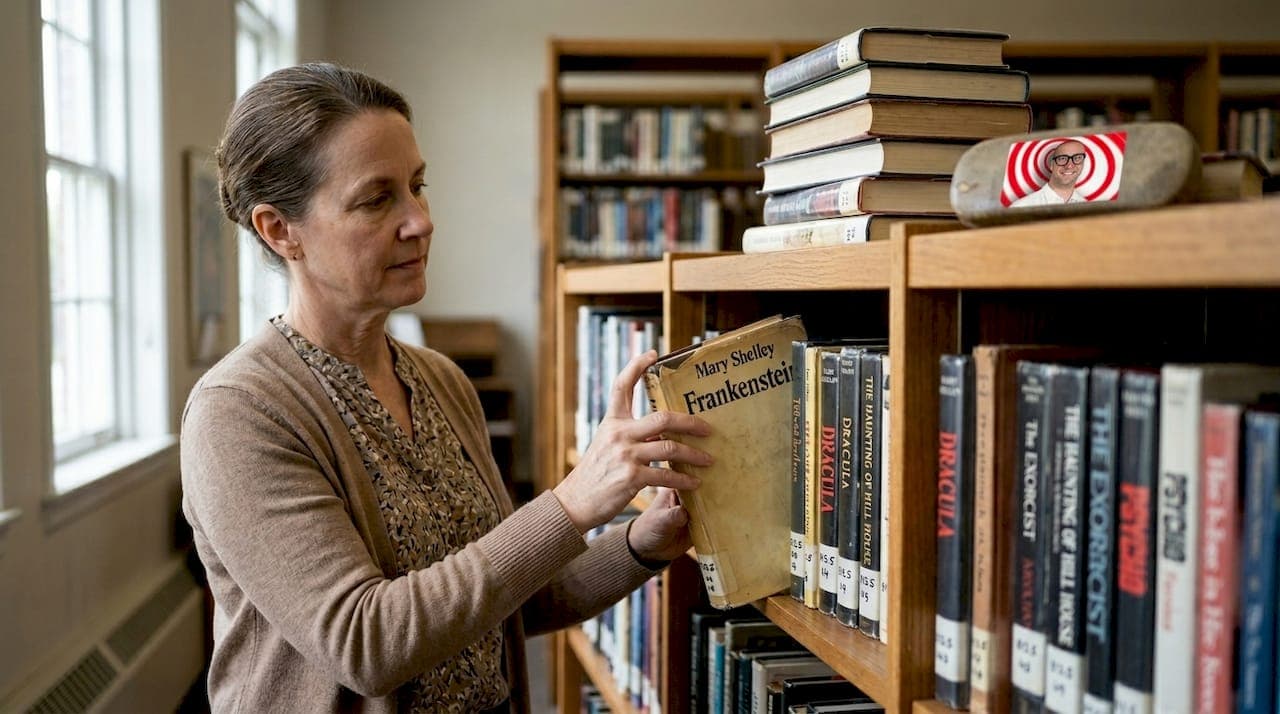
Choosing which classic horror books to read can feel overwhelming when you're faced with centuries of iconic works. Whether you're new to the genre or a longtime fan seeking to fill gaps in your reading list, understanding what makes certain titles essential helps you build a meaningful collection. This guide walks you through the criteria that define classic horror, introduces you to foundational authors and their masterworks, and provides practical comparisons to help you select books matching your preferences. You'll discover how gothic atmospheres, psychological dread, and supernatural elements combine differently across landmark titles, empowering you to curate a reading journey through horror's most influential stories.
Table of Contents
- Key takeaways
- Criteria for selecting classic horror books
- Iconic classic horror books and authors
- Comparing classic horror books: themes, styles, and impact
- Situational recommendations for classic horror book selections
- Explore more classic and modern horror books
- FAQ
Key Takeaways
| Point | Details |
|---|---|
| Historical significance | Choose classics that introduced new subgenres or narrative techniques and shaped later horror. |
| Influence and legacy | Look for works that spawned adaptations and influenced later authors and trends. |
| Thematic focus | Identify which themes like gothic atmosphere, psychological dread, or supernatural elements you want to explore. |
| Narrative style | Consider whether you prefer ornate prose or stark language and whether a work uses epistolary or third person narration. |
| Short reads first | Start with shorter stories to sample authors before tackling longer gothic novels. |
Criteria for selecting classic horror books
When evaluating which classic horror books deserve your attention, historical significance serves as the primary filter. Books that introduced new subgenres or narrative techniques shaped everything that followed. Criteria like historical significance and thematic depth separate truly foundational works from period pieces that haven't aged well. You want titles that other authors reference, adapt, or respond to across generations.
Influence and legacy matter because classic horror's value extends beyond entertainment. These books created archetypes, from the tortured scientist to the seductive vampire, that permeate popular culture. When a novel spawns countless adaptations, parodies, and reinterpretations, it signals lasting cultural resonance. Consider how many modern horror concepts trace back to a handful of 19th and early 20th century works.
Key horror themes provide another selection lens. Gothic horror emphasizes crumbling estates, family secrets, and atmospheric dread. Psychological horror explores madness, obsession, and the unreliable narrator. Supernatural horror introduces ghosts, monsters, and cosmic entities. Identifying which themes resonate with you streamlines your reading choices within the classic horror books collection.
Writing style and accessibility vary dramatically across classic horror. Some authors favor ornate Victorian prose while others employ stark, direct language. Epistolary novels told through letters and diary entries create intimacy but require patience. First person narratives immerse you in a character's deteriorating mental state. Third person omniscient perspectives offer broader scope but less immediate terror.
- Historical importance indicates whether a book introduced new genre elements
- Influence measures how extensively later authors borrowed or responded to the work
- Thematic preferences help match books to your horror interests
- Narrative style affects reading experience and accessibility
- Cultural staying power reflects whether the book remains relevant beyond its era
Pro Tip: Start with shorter works like Poe's stories or Stevenson's novellas before tackling longer gothic novels. This approach lets you sample different authors and styles efficiently.
Iconic classic horror books and authors
Mary Shelley's Frankenstein stands as the first science fiction horror novel, published in 1818 when Shelley was barely twenty. The story examines creation, responsibility, and what it means to be human through Victor Frankenstein's doomed attempt to animate dead tissue. Shelley's creature isn't the lumbering monster of film adaptations but an articulate being driven to violence by rejection and loneliness. The novel's epistolary structure, with nested narratives from multiple perspectives, creates psychological complexity rarely seen in early 19th century fiction.

Bram Stoker's Dracula revolutionized vampire fiction in 1897, transforming folklore creatures into sophisticated predators. Authors like Mary Shelley and Bram Stoker crafted foundational horror novels that established genre conventions still used today. Stoker's Count Dracula embodies Victorian anxieties about sexuality, immigration, and disease. The novel's epistolary format, assembled from diary entries, letters, and newspaper clippings, creates documentary realism that heightens the supernatural elements. Dracula's influence extends far beyond literature into film, television, and cultural iconography.
Robert Louis Stevenson's Strange Case of Dr. Jekyll and Mr. Hyde appeared in 1886 as a compact exploration of human duality. The novella's central conceit, that respectable Dr. Jekyll chemically transforms into violent Mr. Hyde, became shorthand for split personalities and hidden evil. Stevenson wrote the story in a fever dream, producing the first draft in three days. The twist that Jekyll and Hyde are the same person was spoiled almost immediately upon publication, yet the story's psychological insight transcends its mystery elements.
Edgar Allan Poe pioneered American gothic horror through short stories that emphasized psychological terror over supernatural threats. Works like The Tell-Tale Heart, The Fall of the House of Usher, and The Cask of Amontillado dissect guilt, madness, and obsession with surgical precision. Poe's unreliable narrators blur the line between reality and delusion, making readers question what actually happened. His influence on detective fiction and horror remains unmatched among 19th century American writers.
- Shelley introduced science fiction horror blending gothic atmosphere with ethical questions
- Stoker created the definitive vampire novel influencing countless adaptations
- Stevenson explored psychological duality through his Jekyll and Hyde novella
- Poe mastered the short horror story format emphasizing madness and guilt
- Lovecraft developed cosmic horror where humanity confronts incomprehensible alien entities
"Classic horror literature doesn't just frighten readers. It forces us to confront uncomfortable truths about human nature, mortality, and our place in an indifferent universe."
H.P. Lovecraft developed cosmic horror in the early 20th century, creating a mythology of ancient alien gods and forbidden knowledge. Stories like The Call of Cthulhu and At the Mountains of Madness present humanity as insignificant against vast, uncaring cosmic forces. Lovecraft's prose style, dense with archaic vocabulary and elaborate descriptions, polarizes readers. His influence on modern horror, gaming, and popular culture remains enormous despite his problematic personal views.
Comparing classic horror books: themes, styles, and impact
Examining classic horror books side by side reveals how different authors approached fear and dread. Comparison tables clarify differing influences and reader experiences among classic horror books, helping you identify which works align with your preferences. Gothic horror like Dracula and Frankenstein emphasizes atmosphere, setting, and gradual revelation. Psychological horror such as Jekyll and Hyde or Poe's stories focuses on internal torment and unreliable perception. Cosmic horror exemplified by Lovecraft confronts readers with existential insignificance.
| Book | Primary theme | Narrative style | Cultural impact | Accessibility |
|---|---|---|---|---|
| Frankenstein | Creation and responsibility | Epistolary, nested narratives | Founded science fiction horror | Moderate, requires patience with structure |
| Dracula | Sexuality and invasion | Epistolary, multiple viewpoints | Defined modern vampire mythology | Moderate, lengthy with slow build |
| Jekyll and Hyde | Human duality | Third person, mystery structure | Created split personality archetype | High, short and fast-paced |
| Poe's stories | Madness and guilt | First person, unreliable narrators | Pioneered psychological horror | High, brief and intense |
| Lovecraft's mythos | Cosmic insignificance | Dense third person | Influenced modern horror and gaming | Low, archaic prose style |
Narrative styles create vastly different reading experiences. Epistolary novels like Frankenstein and Dracula assemble the story from documents, creating realism but requiring readers to piece together timelines and perspectives. This fragmented approach mirrors how we learn about events in real life, through partial accounts and conflicting testimonies. First person narrators in Poe's work immerse you directly in a deteriorating mind, but their unreliability forces you to question every detail.
Cultural and genre impact varies based on how extensively later works reference or subvert the original. Dracula spawned an entire vampire fiction industry, from Anne Rice's sympathetic monsters to Stephenie Meyer's sparkling teenagers. Frankenstein's influence extends beyond horror into bioethics debates about genetic engineering and artificial intelligence. Jekyll and Hyde became a psychological concept referenced far beyond literature. Understanding these impacts helps you recognize references throughout popular culture.
- Gothic horror creates dread through atmosphere and setting details
- Psychological horror explores internal mental states and unreliable perception
- Cosmic horror emphasizes humanity's insignificance against vast forces
- Epistolary narratives build realism through documentary formats
- First person perspectives create intimacy but challenge reliability
Reader accessibility considerations matter when choosing where to start. Poe's short stories and Stevenson's novellas provide quick entry points requiring minimal time commitment. Longer novels like Dracula reward patient readers but demand sustained attention across hundreds of pages. Lovecraft's dense prose and archaic vocabulary challenge modern readers despite brilliant concepts. Matching book length and style to your reading habits prevents abandonment halfway through.
Pro Tip: Read classic horror books in publication order within an author's work to see how their style and themes evolved. This chronological approach reveals how writers refined their craft and responded to reader reception.
Situational recommendations for classic horror book selections
Your mood and preferences should guide which classic horror themes and elements you explore first. Different situations call for different reading choices based on atmosphere, pacing, and thematic weight.
-
For gothic atmosphere lovers craving fog-shrouded castles and family curses, start with Dracula. Stoker's descriptions of Transylvanian mountains and English estates create immersive settings where every shadow threatens. The slow build and multiple perspectives let you savor the atmosphere rather than rushing to scares. Follow up with The Fall of the House of Usher for Poe's take on gothic decay.
-
For psychological horror enthusiasts who prefer internal terror over external monsters, Jekyll and Hyde delivers concentrated dread in under 100 pages. The novella's exploration of hidden impulses and respectable facades resonates with modern readers. Pair it with Poe's The Tell-Tale Heart or The Black Cat for masterclasses in guilt-driven madness. These works prove that the scariest monsters live inside us.
-
For newcomers needing accessible stories that won't overwhelm, Poe's short story collections provide perfect starting points. The Cask of Amontillado runs barely ten pages but delivers chilling revenge. The Masque of the Red Death combines allegory with plague horror in a memorable package. Short formats let you sample classic horror without committing to novels.
-
For those interested in supernatural elements and monster origins, Frankenstein remains essential despite its challenging structure. Shelley's creature represents the original misunderstood monster, more tragic than terrifying. The novel asks whether creating life without accepting responsibility for it constitutes the real horror. Modern readers find surprising relevance in questions about scientific ethics and social responsibility.
-
For readers seeking influential short stories that shaped entire genres, Lovecraft's The Call of Cthulhu and The Colour Out of Space demonstrate cosmic horror's appeal. These stories influenced Stephen King, Guillermo del Toro, and countless others. The dense prose challenges modern readers, but the concepts of ancient alien gods and forbidden knowledge reward persistence. Tailored recommendations help readers find classic horror books matching their tastes and reading stamina.
Explore more classic and modern horror books
Ready to build your horror library with carefully curated selections? Mark Watson Books offers an extensive classic horror books collection featuring both timeless masterworks and contemporary titles that honor the genre's traditions. Whether you're drawn to gothic atmospheres, psychological terror, or supernatural dread, you'll find books matching your preferences.

Our creepypasta books collection bridges classic horror sensibilities with modern internet-age storytelling, perfect for readers who appreciate how the genre evolves. Each selection comes from a trusted bookseller who understands what makes horror literature resonate across generations. Visit Mark Watson Books to discover your next great read and join a community of horror enthusiasts who value quality storytelling.
FAQ
What are the defining elements of classic horror books?
Classic horror books combine themes of fear, suspense, and either supernatural or psychological terror to unsettle readers. Atmospheric writing evokes dread through setting descriptions, pacing, and emotional resonance rather than relying solely on graphic content. These elements work together to create lasting impressions that transcend their publication era.
Which author is considered the father of modern horror?
Edgar Allan Poe is often hailed as a foundational figure in modern horror literature, pioneering psychological terror and the unreliable narrator. His short stories from the 1830s and 1840s established conventions that horror writers still employ today. Poe's focus on internal mental states rather than external monsters shifted the genre's direction permanently.
How do classic horror books differ from modern horror novels?
Classic horror often employs gothic settings, subtle dread, and gradual revelation to build tension over hundreds of pages. Modern horror might use graphic content, faster pacing, and explicit violence to achieve immediate impact. The core difference lies in restraint versus explicitness, though both approaches can effectively terrify readers when executed well.
Can I start with short stories if new to classic horror?
Yes, short stories by Poe or Lovecraft provide a digestible introduction to classic horror without requiring the time commitment of full novels. They showcase genre-defining elements like unreliable narrators, atmospheric dread, and psychological complexity in brief formats. Starting short lets you sample different authors and styles before investing in longer works.