
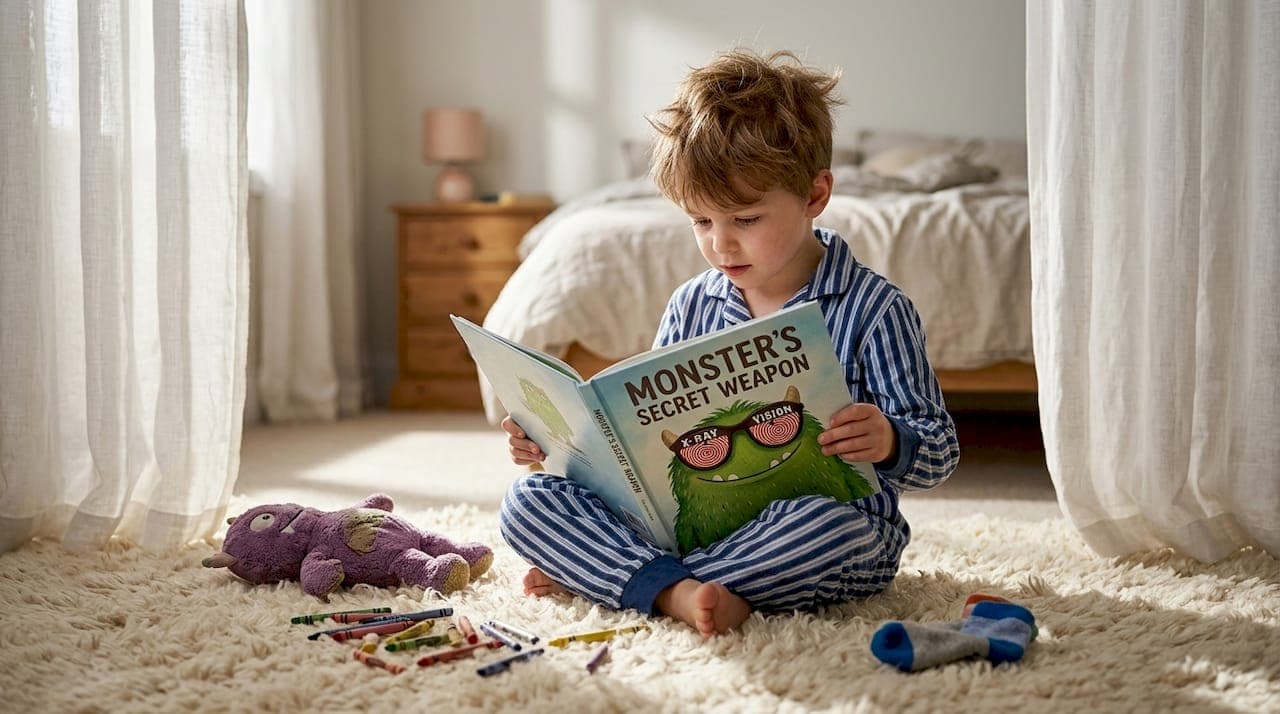
Monsters in children's literature often get a bad reputation as sources of nightmares and anxiety. Yet these fantastical creatures serve a far more nuanced purpose than simply scaring young readers. When thoughtfully crafted, monster characters help children process complex emotions, build resilience, and develop creative problem-solving skills. From bedtime picture books to chapter novels, monsters provide safe spaces for kids to confront fears, explore imagination, and learn valuable lessons about courage and empathy. Understanding how these creatures function in stories empowers parents and educators to harness their benefits while minimizing potential anxieties.
Table of Contents
- Understanding Monsters As Tools For Coping With Childhood Fears
- The Cognitive Appeal Of Monsters: Evolution, Memory, And Imagination
- Humor And Benevolence: Reshaping Fear In Children's Plays And Books
- Practical Guidance For Parents And Educators Using Monster Stories
- Explore Monster-Themed Children's Books And More
- Frequently Asked Questions
Key takeaways
| Point | Details |
|---|---|
| Safe fear processing | Monsters create controlled environments where children can explore and manage real anxieties through imaginative play. |
| Cognitive engagement | Combining threatening and unusual traits makes monsters memorable and stimulates creative thinking in young minds. |
| Emotional transformation | Humor and friendly portrayals reshape fear into resilience, helping children recognize and regulate their own emotions. |
| Strategic selection matters | Age-appropriate choices and parental guidance maximize benefits while preventing overwhelming anxiety in sensitive children. |
Understanding monsters as tools for coping with childhood fears
Children naturally develop strategies to manage nighttime fears and anxieties, often using imagination to reframe threatening situations. Bedtime picture books use monsters to mirror children's preferred coping strategies for nighttime fears, such as positive pretense that reimagines threats as non-threatening. These stories don't just acknowledge fear; they actively model healthy responses through literary devices like humor, image framing, and typography.
When a picture book shows a child spraying "monster repellent" or befriending a creature under the bed, it validates real anxieties while demonstrating practical coping mechanisms. The monster becomes a vehicle for exploring what-if scenarios in a space where outcomes are predictable and safe. This approach helps children practice emotional regulation without real-world consequences.
Common coping methods reflected in monster stories include:
- Positive pretense where scary creatures become silly or friendly characters
- Humor that transforms tension into laughter and relief
- Problem-solving scenarios where children outsmart or help monsters
- Visual framing that shows monsters as less threatening through size, color, or expression
Pro Tip: Look for books where the child character actively solves the monster problem rather than needing adult rescue. This empowers young readers to see themselves as capable problem-solvers.
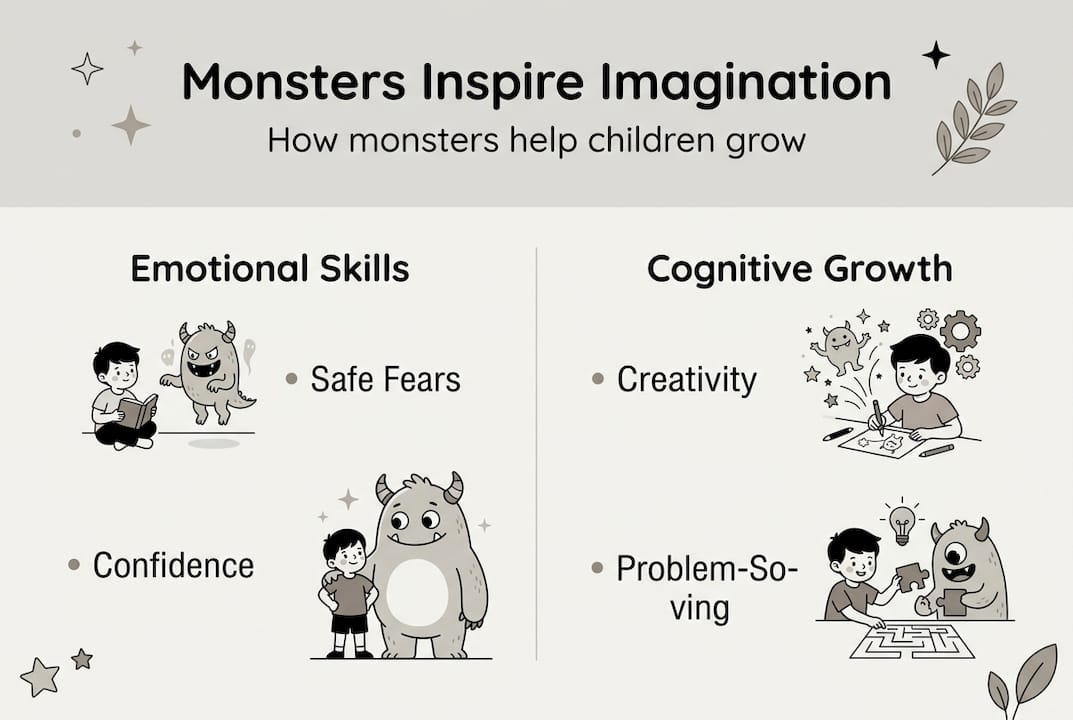
Stories create transformation spaces where fear becomes manageable through narrative structure. A monster that seems terrifying on page one becomes misunderstood or even lovable by the final page. This arc mirrors the psychological journey children take when processing anxieties, moving from overwhelming emotion to understanding and control. By reading these narratives repeatedly, kids internalize the pattern that scary things can be understood, managed, and sometimes even enjoyed. These stories naturally develop courage in children by providing repeated exposure to manageable threats.
The cognitive appeal of monsters: evolution, memory, and imagination
Monsters captivate children's minds through a unique combination of biological threat signals and impossible features. Monsters embody evolutionary threat detection through predator-like features combined with anomalies, making them memorable and excellent tools for cognitive engagement in literature. This dual nature triggers both ancient survival instincts and curiosity about the unknown, creating powerful mental hooks that make monster stories stick in young minds.
The predator elements might include sharp teeth, claws, or large eyes that signal danger. These features tap into hardwired recognition systems that helped our ancestors survive. But monsters add impossible twists: multiple heads, unnatural colors, bodies that defy physics, or combinations of different animals. This blend of familiar danger and fantastic impossibility makes monsters cognitively irresistible to developing brains.
| Monster Trait Type | Examples | Cognitive Function |
|---|---|---|
| Predator features | Fangs, claws, glowing eyes | Trigger threat detection and attention |
| Anomalous traits | Multiple limbs, unusual colors, hybrid bodies | Stimulate curiosity and imagination |
| Exaggerated proportions | Oversized heads, tiny bodies, long arms | Create memorable visual patterns |
| Impossible abilities | Invisibility, shape-shifting, flight | Encourage creative problem-solving |
This cognitive appeal explains why children often obsess over monster stories and want to hear them repeatedly. Each retelling allows young minds to process the threatening elements while exploring the fantastical possibilities. The monsters become mental playgrounds where kids can practice thinking about danger without real risk, developing both caution and creativity simultaneously.
Pro Tip: Notice which monster features your child focuses on or draws. These preferences often reflect what they're working to understand or master emotionally.
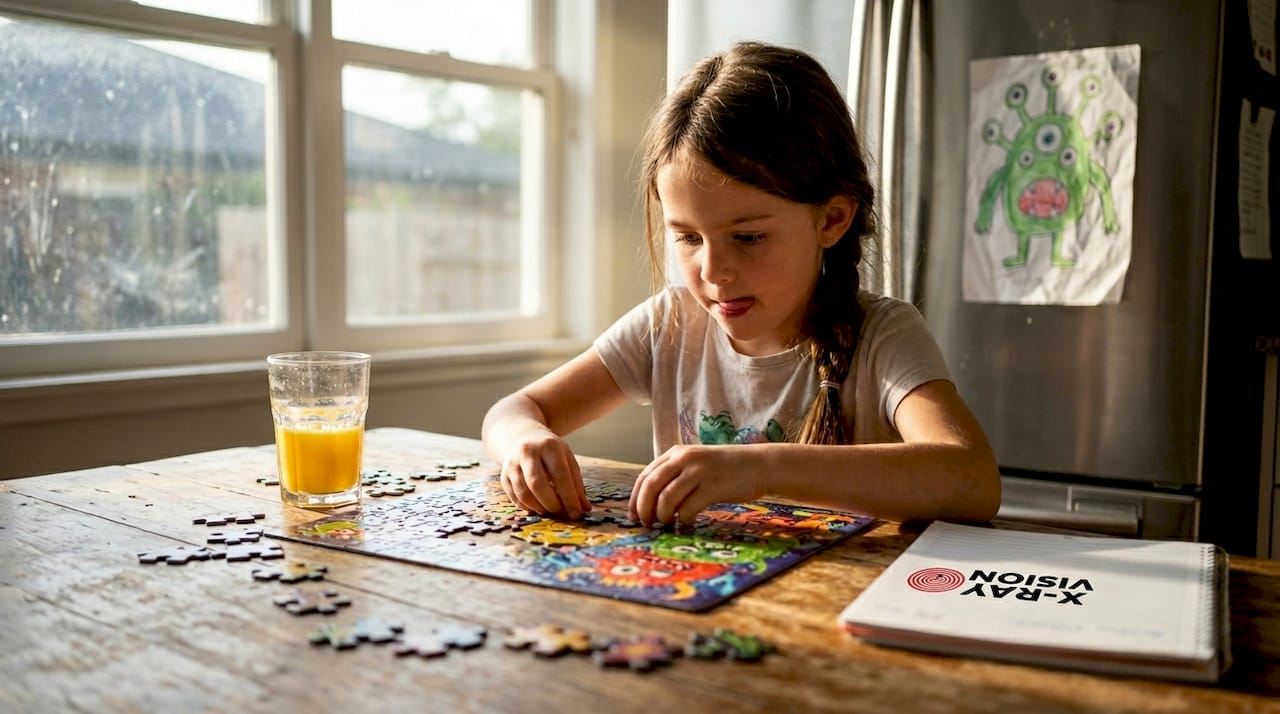
Monsters stimulate imagination by prompting mental problem-solving that goes beyond simple fear responses. When a child encounters a monster with three heads and wings, their brain must work to integrate these impossible features into a coherent mental image. This cognitive stretching builds flexible thinking skills essential for creativity and abstract reasoning. The monsters in scary stories themes and elements demonstrate how these creatures push imaginative boundaries while maintaining narrative coherence.
Humor and benevolence: reshaping fear in children's plays and books
Transforming monsters from terrifying to funny represents one of the most powerful tools in children's literature for managing fear. Benevolent, humorous monsters in plays and books reshape children's perceptions of fear, using theatrical elements to show monsters as reflections of self-needs and fears. When a monster trips over its own feet, speaks in silly voices, or reveals vulnerability, the emotional charge shifts from anxiety to amusement.
This shift isn't trivial. Laughter physiologically counters fear responses, lowering stress hormones and creating positive associations with previously threatening concepts. A child who giggles at a monster's antics learns that scary things can be reframed, controlled, and even enjoyed. This lesson extends far beyond storybooks into real-world anxiety management.
Friendly monster characters fulfill children's emotional needs in ways that purely human characters sometimes cannot. A monster friend might:
- Validate feelings of being different or misunderstood
- Model accepting others despite unusual appearances
- Demonstrate that strength and gentleness can coexist
- Show that making mistakes is normal and fixable
Theater elements in books and performances help children recognize emotions by externalizing internal experiences. When a monster on stage expresses loneliness or confusion through exaggerated gestures and expressions, young audience members see their own feelings reflected and validated. This recognition builds emotional literacy, helping kids name and understand their inner experiences.
Examples of benevolent monsters in popular stories include characters who initially seem scary but reveal kind hearts, creatures who need help rather than pose threats, and monsters who become loyal friends after misunderstandings are cleared. These narratives consistently demonstrate that first impressions can be wrong and that understanding others requires looking beyond surface appearances. The children's books collection features many titles that exemplify this transformative approach to monster characters.
Practical guidance for parents and educators using monster stories
Selecting appropriate monster-themed books requires balancing imaginative engagement with sensitivity to individual children's temperaments and developmental stages. Practical strategies for parents and educators include using tools like "monster spray," discussing stories post-reading, and selecting books with positive resolutions to foster resilience without overexposure. These approaches maximize benefits while minimizing anxiety risks.
- Preview books before sharing them with children, noting the intensity of scary elements and the resolution quality.
- Choose stories where children or child-like characters solve problems actively rather than remaining helpless victims.
- Start with humorous or clearly friendly monsters for younger or more sensitive children, gradually introducing more complex portrayals.
- Read together initially rather than leaving children to process monster stories alone, especially at bedtime.
- Create post-reading rituals that reinforce safety and control, such as checking under the bed together or spraying imaginary monster repellent.
- Discuss story outcomes explicitly, asking questions like "How did the character feel at the end?" or "What helped them be brave?"
Pro Tip: Keep a "bravery journal" where children can draw or write about times they felt scared but handled it well, linking story examples to real experiences.
Techniques like monster spray reduce fear after reading by giving children tangible tools that restore their sense of control. While adults understand the spray is symbolic, children benefit from the ritual and the message that they have power over their fears. This empowerment matters more than the literal effectiveness of any tool.
Discussing story outcomes with children helps them process narrative arcs and apply lessons to their own lives. Ask open questions that encourage reflection rather than yes/no answers. "What do you think the monster really wanted?" or "How would you help a scared monster?" prompts deeper thinking about motivations, emotions, and problem-solving strategies.
Balancing imaginative exploration with sensitivity to fear requires ongoing observation and adjustment. Some children thrive on slightly scary stories and request them repeatedly, using them to master anxieties. Others need gentler approaches with more humor and less tension. Neither response is wrong; they simply reflect different processing styles. Watch for signs of genuine distress versus excited nervousness, and adjust book selections accordingly. Resources on writing captivating children's books offer insights into how authors craft these delicate balances.
Explore monster-themed children's books and more
Finding the right monster stories to support your child's imaginative and emotional growth becomes easier with curated collections that balance entertainment and developmental value. Mark Watson Books offers carefully selected titles that harness the power of monster narratives while respecting children's emotional needs. The children's books collection features stories where monsters serve as vehicles for courage, creativity, and emotional understanding rather than simple scares.

Whether you're seeking gentle bedtime stories with friendly creatures or more adventurous tales for brave readers, these collections provide age-appropriate options that parents and educators can trust. For those interested in how monster narratives evolve for older readers, the horror books collection demonstrates sophisticated approaches to fear and imagination. Exploring these resources helps you build a library that grows with your child, supporting their development through thoughtfully crafted stories that acknowledge fears while celebrating the power of imagination.
Frequently asked questions
How do monsters in children's literature help with fear management?
Monsters allow children to face fears in a controlled, imaginative way where outcomes are predictable and safe. Stories often include positive resolutions that encourage resilience, showing kids that scary situations can be understood and overcome. This repeated exposure to manageable threats builds confidence in handling real-world anxieties.
Can monster stories increase anxiety in young children?
Preschoolers may struggle to separate fantasy from reality, which can increase fear if stories are too intense or lack clear resolution. Parental guidance and age-appropriate story selection significantly reduce anxiety risks. Watching for signs of distress and discussing story elements helps children process content without becoming overwhelmed.
What are some effective ways to discuss monster stories with children?
Ask open questions about feelings and fears in stories, such as "What made the character brave?" or "How would you help the monster?" Use fun tools like monster spray to empower children with tangible control over their fears. Relate story themes to real-life emotions safely by drawing parallels between fictional challenges and everyday experiences. These discussions naturally develop courage in children by helping them recognize their own emotional strength.
At what age should children start reading monster stories?
Children as young as two or three can enjoy very gentle monster stories with clearly friendly characters and humorous elements. By age four or five, many kids are ready for slightly more complex narratives where monsters seem scary initially but become friends. Individual readiness varies widely based on temperament, so observe your child's responses and adjust accordingly.
Do monster stories work the same way for all children?
No, children process monster narratives differently based on temperament, previous experiences, and developmental stage. Some kids use scary stories to master anxieties and request them repeatedly, while others prefer gentler approaches with more humor. Neither response indicates a problem; they simply reflect different emotional processing styles that parents should respect and accommodate.