
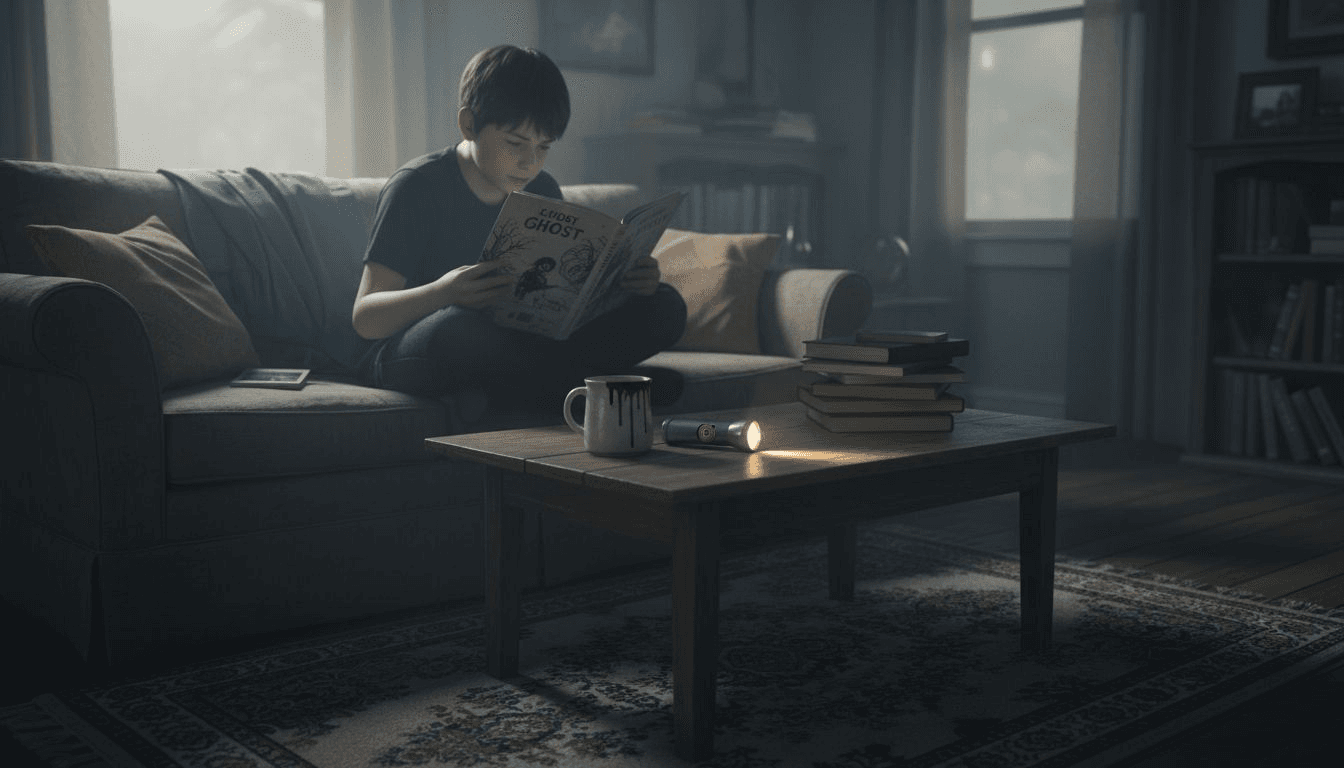
Many people assume ghost stories exist solely to frighten, to deliver quick scares and sleepless nights. Yet these tales offer far more than momentary chills. Ghost stories provide genuine emotional, psychological, and entertainment benefits for readers of all ages, from children discovering courage to adults seeking meaningful suspense. This article explores why reading ghost stories matters, examining their deeper value for emotional growth, cultural connection, and imaginative engagement, plus practical guidance for parents introducing these tales to young readers.
Table of Contents
- The Psychological And Emotional Benefits Of Reading Ghost Stories
- Cultural And Storytelling Traditions Behind Ghost Stories
- How Ghost Stories Entertain And Engage Readers Of All Ages
- Introducing Children To Ghost Stories: Tips And Considerations For Parents
- Explore Ghost Story Collections At Mark Watson Books
- Frequently Asked Questions
Key takeaways
| Point | Details |
|---|---|
| Emotional resilience | Ghost stories help readers safely explore fear and build courage through controlled exposure to scary scenarios. |
| Cultural connection | These tales preserve storytelling traditions and connect generations through shared folklore and moral lessons. |
| Imaginative development | Supernatural elements and mystery encourage creative thinking and problem solving in children and adults. |
| Entertainment value | Suspense, surprise, and psychological depth make ghost stories uniquely engaging across all age groups. |
| Empathy building | Understanding characters' fears and reactions helps readers develop emotional intelligence and compassion. |
The psychological and emotional benefits of reading ghost stories
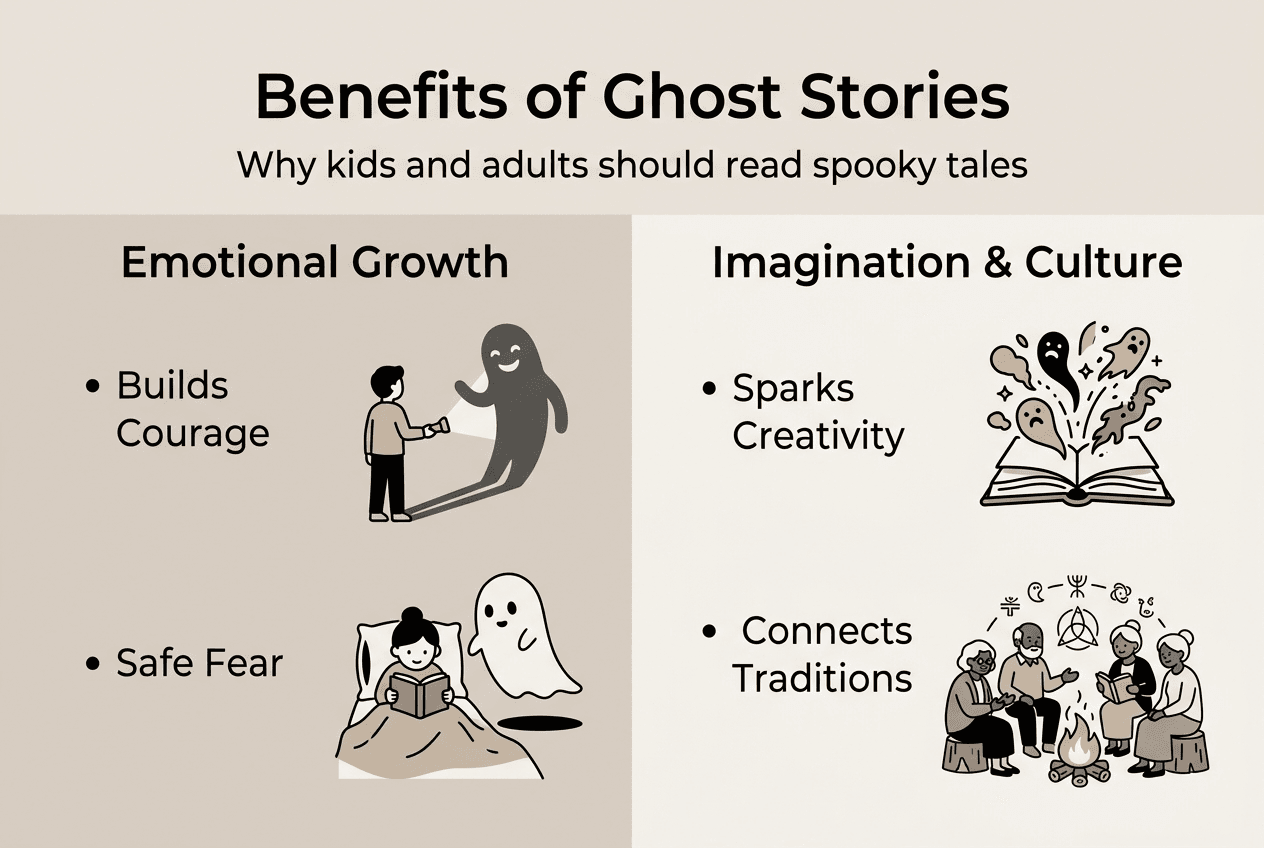
Ghost stories create safe spaces for exploring fear without real danger. When you read about haunted houses or spectral encounters, your brain processes these scenarios as controlled experiences, allowing you to confront anxiety in manageable doses. This practice builds emotional resilience, teaching both children and adults how to navigate uncomfortable feelings without becoming overwhelmed.
Children particularly benefit from this controlled exposure. Reading scary stories helps develop courage in children by demonstrating that fear can be faced and overcome. Young readers learn that scary situations have beginnings, middles, and ends, providing a framework for understanding their own anxieties. This process strengthens their ability to manage real world challenges with greater confidence.
Ghost stories also enhance empathy by placing readers inside characters experiencing intense emotions. You feel the protagonist's racing heart, understand their hesitation before opening that creaky door, and share their relief when mysteries resolve. This emotional engagement trains your capacity to recognize and respond to others' feelings in everyday life.
Pro Tip: Parents can use ghost stories as conversation starters about fear and bravery, asking children what scared them most and how the characters handled frightening situations.
Balancing scary content with age appropriate selections remains crucial for positive experiences. Stories should challenge without traumatizing, offering just enough tension to engage without causing lasting distress. Research consistently shows that thoughtfully chosen scary stories support children's emotional development rather than harming it.
- Ghost stories simulate fear responses safely, preparing readers for real challenges
- They normalize talking about scary feelings and anxieties
- Readers practice emotional regulation through story engagement
- Characters model problem solving under pressure
- Stories provide distance that makes processing fear easier
"Scary stories give children permission to explore dark emotions in controlled environments, building psychological tools they'll use throughout life."
Cultural and storytelling traditions behind ghost stories
Ghost stories have existed for centuries across virtually every culture worldwide. Ancient societies used these tales to explain mysterious phenomena, from unexplained sounds to sudden deaths, creating narratives that made the unknown comprehensible. These stories served as more than entertainment; they functioned as moral instruction, warning listeners about dangerous behaviors or sacred boundaries.
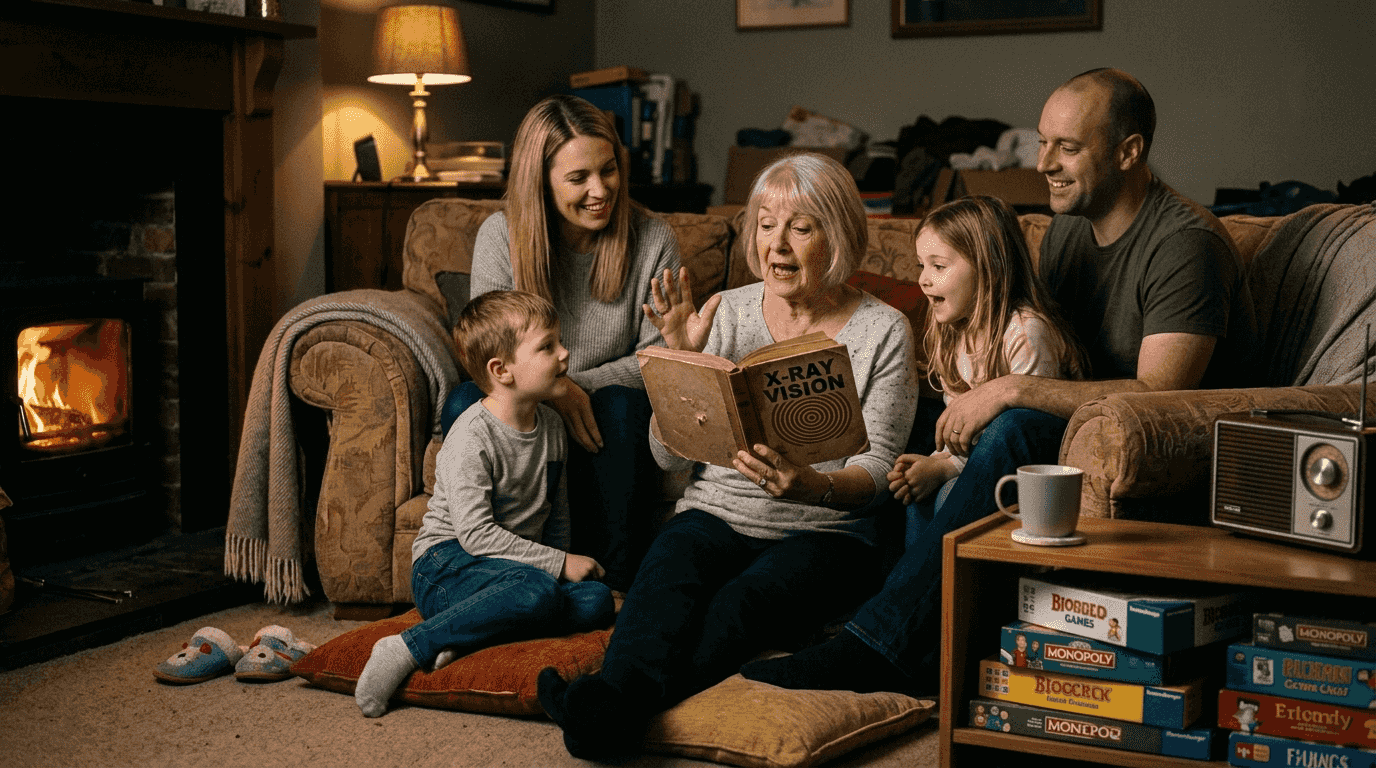
These narratives create powerful community bonds by establishing shared fears and values. When families gather to tell ghost stories, they participate in traditions stretching back generations, connecting present listeners to ancestors who told similar tales around campfires or hearths. This continuity preserves cultural identity and reinforces collective memory.
Ghost stories connect generations through shared cultural experiences, transmitting values and warnings through memorable narratives. Different cultures emphasize distinct themes, but common threads unite ghost storytelling worldwide, revealing universal human concerns about death, justice, and the supernatural.
| Culture | Common Ghost Story Themes | Cultural Message |
|---|---|---|
| Japanese | Vengeful spirits seeking justice | Honor obligations and treat others respectfully |
| Irish | Banshees warning of death | Respect family bonds and ancestral connections |
| Mexican | Spirits returning on Day of the Dead | Remember and honor deceased loved ones |
| American | Haunted locations with tragic pasts | Acknowledge historical wrongs and their consequences |
Ghost stories share recognizable elements that transcend cultural boundaries:
- Isolated or atmospheric settings that heighten tension
- Supernatural entities with unfinished earthly business
- Mysterious sounds, movements, or apparitions
- Characters investigating or confronting the unknown
- Revelations about past events or hidden truths
- Moral or cautionary lessons embedded in resolutions
These common elements create familiar frameworks that make ghost stories immediately recognizable while allowing infinite variation. Whether you're reading Victorian ghost tales or contemporary creepypasta, you'll encounter these foundational components adapted to different contexts and concerns.
How ghost stories entertain and engage readers of all ages
Ghost stories deliver entertainment through masterful suspense building and psychological tension. Unlike stories relying on graphic violence, ghost tales work through suggestion and atmosphere, letting your imagination fill gaps with personally frightening details. This approach makes each reading experience unique, as your mind supplies the scariest possible scenarios based on your individual fears.
The genre's appeal spans generations because it addresses timeless questions about death, the afterlife, and unseen forces. Children find excitement in supernatural mysteries, while adults appreciate subtle psychological depth and sophisticated narrative techniques. Ghost stories remain popular across generations for their ability to deliver both immediate thrills and lasting contemplation.
| Genre | Primary Fear Source | Typical Setting | Resolution Style |
|---|---|---|---|
| Ghost Stories | Supernatural/Unknown | Haunted locations | Mystery solved or accepted |
| Slasher Horror | Physical violence | Isolated areas | Killer defeated |
| Psychological Horror | Mental breakdown | Everyday spaces | Ambiguous or tragic |
Ghost stories employ distinct narrative techniques that create their signature atmosphere:
- Establishing eerie settings through sensory details that prime readers for scares
- Building tension gradually through unexplained events that escalate in intensity
- Using unreliable narrators who question their own perceptions
- Planting subtle clues that only make sense after twist revelations
- Creating ambiguity about whether events are supernatural or psychological
- Ending with lingering questions that haunt readers after finishing
Pro Tip: Pay attention to how skilled ghost story writers use pacing, revealing information slowly to maintain suspense while providing just enough detail to keep you engaged.
The entertainment value extends beyond simple scares. Ghost stories satisfy curiosity about the unknown, provide adrenaline rushes in safe contexts, and offer intellectual puzzles as readers piece together mysteries. They combine emotional engagement with cognitive challenge, making them uniquely satisfying narrative experiences.
Introducing children to ghost stories: tips and considerations for parents
Parents play crucial roles in helping children navigate ghost stories successfully. Selecting age appropriate content ensures positive experiences that build courage rather than creating unnecessary anxiety. Look for stories with manageable fear levels that match your child's emotional maturity and previous exposure to scary content.
Reading together transforms ghost stories into bonding experiences while providing safety nets. When you share these tales, you can pause to discuss scary moments, answer questions about supernatural elements, and reassure children about fiction versus reality. This guided approach helps kids process fear productively while enjoying exciting narratives.
Timing matters significantly for young readers. Avoid reading intense ghost stories right before bedtime, as lingering images may interfere with sleep. Instead, share these tales during daylight hours or early evening, allowing time for discussion and transition to calmer activities before bed.
Recommended early ghost story options for children:
- Gentle supernatural mysteries with friendly ghosts
- Stories where characters solve ghostly puzzles together
- Tales emphasizing curiosity over terror
- Books with illustrations that soften scary moments
- Stories where ghosts need help rather than causing harm
- Narratives with clear resolutions that restore safety
Pro Tip: Use ghost stories as tools to build empathy by discussing why ghosts might be sad or angry, and how characters show kindness even when frightened.
Encourage children to create their own ghost stories, which builds creative confidence and gives them control over scary elements. When kids author their own tales, they determine intensity levels and outcomes, transforming from passive recipients of scares into active creators who understand storytelling mechanics.
Watch for signs that content might be too intense, including persistent nightmares, new fears about everyday situations, or reluctance to be alone. These signals indicate you should scale back scary content temporarily, focusing on lighter supernatural tales until your child feels ready for more challenging material. Every child develops at their own pace, so flexibility and observation matter more than rigid age guidelines.
Explore ghost story collections at Mark Watson Books
Now that you understand why ghost stories matter for emotional growth and entertainment, explore curated collections designed for readers at every level. Mark Watson Books offers carefully selected horror titles that deliver quality scares and meaningful narratives, plus children's books that introduce young readers to the genre thoughtfully.

Discover creepypasta collections that capture contemporary ghost storytelling traditions, bringing internet age folklore to print. These selections help you find stories matching your interests and comfort levels, whether you're seeking gentle supernatural mysteries for young readers or sophisticated ghost tales for experienced horror fans. Browse the collections to find your next memorable reading experience.
Frequently asked questions
Is it okay to read ghost stories to young children?
Yes, when you choose age appropriate stories and read together. Select tales with manageable fear levels that match your child's emotional development. Supervised reading lets you pause for discussions, answer questions, and provide reassurance about fiction versus reality. Research shows thoughtfully introduced scary stories support emotional growth by helping children practice courage in safe contexts.
How do ghost stories help develop imagination?
Ghost stories rely on suggestion rather than explicit description, requiring readers to visualize supernatural elements and mysterious scenarios. Your mind fills narrative gaps with personally created images, strengthening creative visualization skills. Children particularly benefit as they imagine ghostly apparitions, haunted settings, and possible explanations for unexplained events. This mental exercise builds creative thinking that transfers to problem solving and artistic expression.
What makes ghost stories different from other horror genres?
Ghost stories emphasize supernatural elements and psychological suspense rather than graphic violence or gore. They explore emotional and existential fears about death, the unknown, and unfinished business rather than physical threats. The tension comes from atmosphere, mystery, and suggestion, letting your imagination create scares tailored to your personal fears. This approach makes ghost stories accessible to wider audiences, including children and readers sensitive to violent content.
Can reading ghost stories cause nightmares?
Some children may experience nightmares if stories are too intense for their developmental stage or read too close to bedtime. Minimize risks by choosing age appropriate content, reading during daylight hours, and allowing time for calming activities before sleep. Discuss scary elements openly so children can process fears while awake. Most kids handle appropriately selected ghost stories without sleep disturbances, especially when parents provide supportive frameworks for understanding fictional scares.
Recommended
- Scary stories explained: themes and elements for readers
- Why scary stories help develop courage in children
- Children's book tips for early readers: expert guide 2026
- The Art of Storytelling: What Makes a Book Impossible to Put Down | Mark Watson books: Crybaby, a gripping horror thriller of survival and vengeance about a rogue elephant in rural India. Buy now or learn more.