
TL;DR:
- Illustrations enhance emotional connection and understanding beyond mere decoration.
- Style, placement, and genre significantly influence illustration's storytelling effectiveness.
- Empathy for genre and audience is crucial for powerful, culturally sensitive artwork.
Most creators treat illustrations as the finishing touch, the pretty layer you add after the real work is done. That thinking is wrong, and it costs stories their emotional punch. Illustrations enhance comprehension and narrative meaning in ways that pure text simply cannot replicate. Whether you're crafting a whimsical children's picturebook or a spine-tingling horror story, the visuals you choose are active storytelling tools. In this article, you'll learn how illustrations boost comprehension, how style mechanics create mood, how genre shapes illustration strategy, and where the real pitfalls hide.
Table of Contents
- How illustrations enhance comprehension and emotional connection
- Illustration mechanics: Integrating visuals and text for deeper meaning
- Genre-specific impact: Children's vs. horror illustrations
- Edge cases and nuances: Balancing visuals and text, human vs. AI
- A fresh perspective: What most creators miss about illustration's true storytelling power
- Explore illustrated books and guidance for your next story
- Frequently asked questions
Key Takeaways
| Point | Details |
|---|---|
| Boosts comprehension | Illustrations give young readers visual cues that enhance understanding and memory. |
| Shapes emotion and tone | Style and placement of illustrations create mood and deepen emotional impact in stories. |
| Genre-specific strategy | Children’s books use visuals for comfort and literacy; horror relies on subtle symbols for unease. |
| Balance is essential | Too many visuals can overshadow the narrative, so thoughtful integration matters. |
| Human touch matters | Human illustrators provide emotional nuance and cultural sensitivity that AI often misses. |
How illustrations enhance comprehension and emotional connection
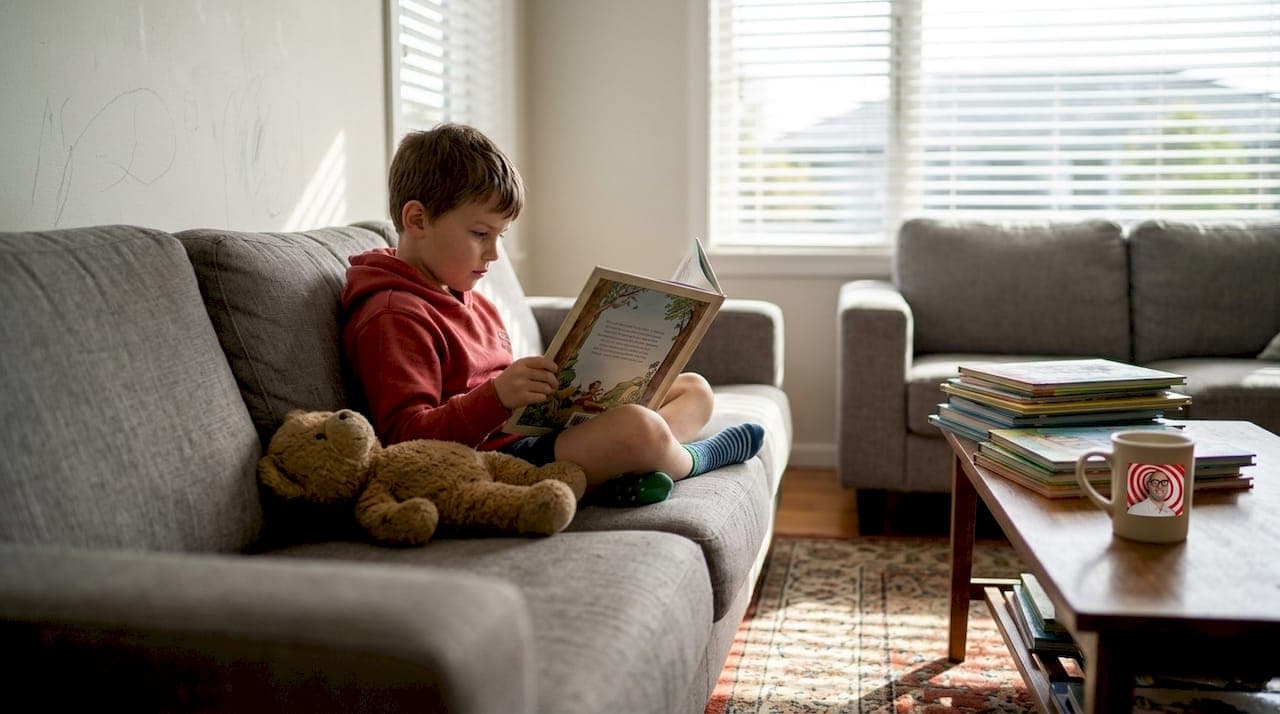
Here's something that might surprise you: illustrations don't just support a story. They can completely change how a reader understands and feels it. For young readers especially, visuals are often the first language they speak before words fully click.
Illustrations support narrative understanding and foster emotional connections that text alone struggles to build. A child who can't yet decode every word on the page can still follow a story arc, recognize a character's fear, and feel the tension of a turning point, all through pictures. That's a remarkable thing.
The research backs this up. A meta-analysis on visual cues found a measurable positive effect on comprehension and achievement when illustrations are thoughtfully integrated. This isn't a minor bump. It's a meaningful shift in how deeply readers engage with a story.
Look at what strong illustration does across different reading scenarios:
| Reader type | Illustration benefit | Key outcome |
|---|---|---|
| Pre-readers (ages 2 to 5) | Visual story cues replace text dependency | Story comprehension before literacy |
| Early readers (ages 5 to 8) | Visuals confirm text meaning | Faster decoding and recall |
| Genre fans (horror, fantasy) | Mood and atmosphere building | Deeper emotional immersion |
| Reluctant readers | Visual entry points reduce anxiety | Greater reading confidence |
Beyond comprehension, emotional engagement is where illustrations truly earn their place. A child who sees a character's wide, trembling eyes doesn't need the word "scared" spelled out. They feel it. That emotional shortcut is powerful, and it's what makes illustrated book examples in both children's and horror genres so memorable.
Here's what strong emotional illustration achieves:
- Builds instant empathy between reader and character
- Signals tone before a single word is read
- Reinforces key story beats visually
- Creates a sensory atmosphere that text supports, not the other way around
- Helps readers with different types of picture books navigate complex emotions safely
A visual literacy study also shows that readers who engage with illustrated texts develop stronger interpretive skills over time. They learn to read between the lines, literally and figuratively.
Pro Tip: Pair your most emotionally charged narrative moments with your most expressive illustrations. Don't save the vivid artwork for the cover. Put it where the story turns.
If you want to write stories that truly captivate, understanding this foundation is non-negotiable. Explore captivating children's books to see these principles in action.
Illustration mechanics: Integrating visuals and text for deeper meaning
Once you accept that illustrations do real storytelling work, the next question is: how do they do it? The answer lies in mechanics, the specific choices you make about style, placement, and the relationship between image and word.
The visual-verbal interplay between text and illustrations is where narrative tension lives. When an illustration contradicts the text slightly, or adds a detail the words don't mention, readers lean in. That gap creates curiosity. It's one of the most underused tools in illustrated storytelling.
Style choices carry enormous emotional weight. Here's how common approaches compare:
| Style | Emotional tone | Best for |
|---|---|---|
| Whimsical line art | Playful, light, safe | Young children's books |
| Watercolor washes | Dreamy, soft, nostalgic | Emotional or gentle stories |
| High-contrast ink | Stark, tense, dramatic | Horror, suspense, dark fantasy |
| Digital painterly | Cinematic, vivid, immersive | Genre-blending, middle grade |
Beyond style, placement is everything. Full-bleed artwork, where the image extends to the page edges, pulls readers inside the scene. It creates immersion. Inset artwork, framed within white space, creates distance and reflection. Both are valid. But using them intentionally, based on what the story needs at that moment, is what separates good illustrated books from great ones.
Here's a practical framework for planning illustration placement:
- Map your story's emotional peaks before you sketch a single image
- Assign full-bleed spreads to your highest-tension or highest-joy moments
- Use inset or smaller images for quieter, reflective scenes
- Let illustrations reveal something the text withholds, a shadow, a hidden figure, a subtle smile
- Revisit your illustration techniques to align style with story intent
Digital tools have also changed the game. Digital production tools can cut production time by up to 60%, giving creators more room to experiment with composition and color without blowing a timeline. That's a genuine creative advantage.
"The best illustrations don't illustrate the text. They complete it." This is the standard worth chasing in every genre.
Pro Tip: Before finalizing any illustration, ask yourself: does this image add something the words don't already say? If the answer is no, rework it. Every visual should earn its place.
For more on notable illustrated stories that nail this interplay, see how established creators balance these mechanics across genres. The visual cues impact is real, and it starts with these deliberate choices.
Genre-specific impact: Children's vs. horror illustrations
Not all illustrations serve the same purpose. Genre changes everything. A watercolor bunny and a shadowy figure in a doorway both tell stories, but they're doing completely different emotional work.
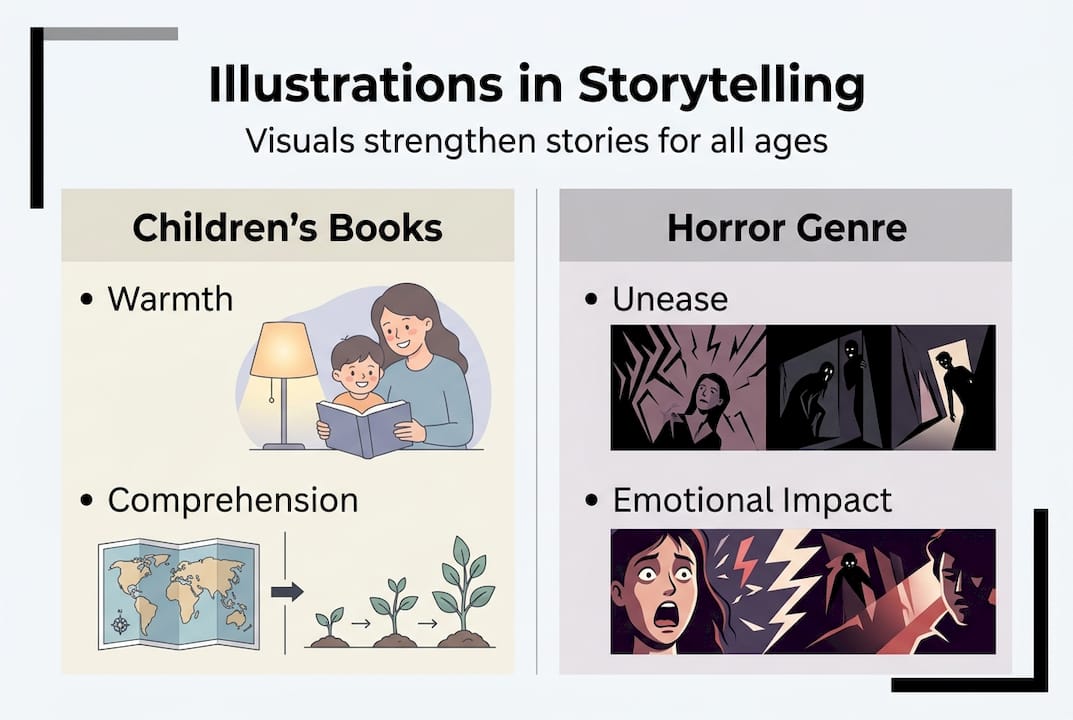
In children's books, illustrations are primarily about warmth, safety, and learning. They model emotions, introduce concepts, and create a world that feels inviting. Research shows that multimedia illustrations reduce fear, boost positive emotions, and increase creativity in young readers compared to text-only formats. That's a compelling case for investing in expressive, emotionally generous artwork for young audiences.
Children's illustrations also support literacy development in ways that go beyond story comprehension. They teach visual sequencing, cause and effect, and emotional vocabulary. Monsters and imagination in children's literature show how even slightly edgy visuals can build emotional resilience when handled with care.
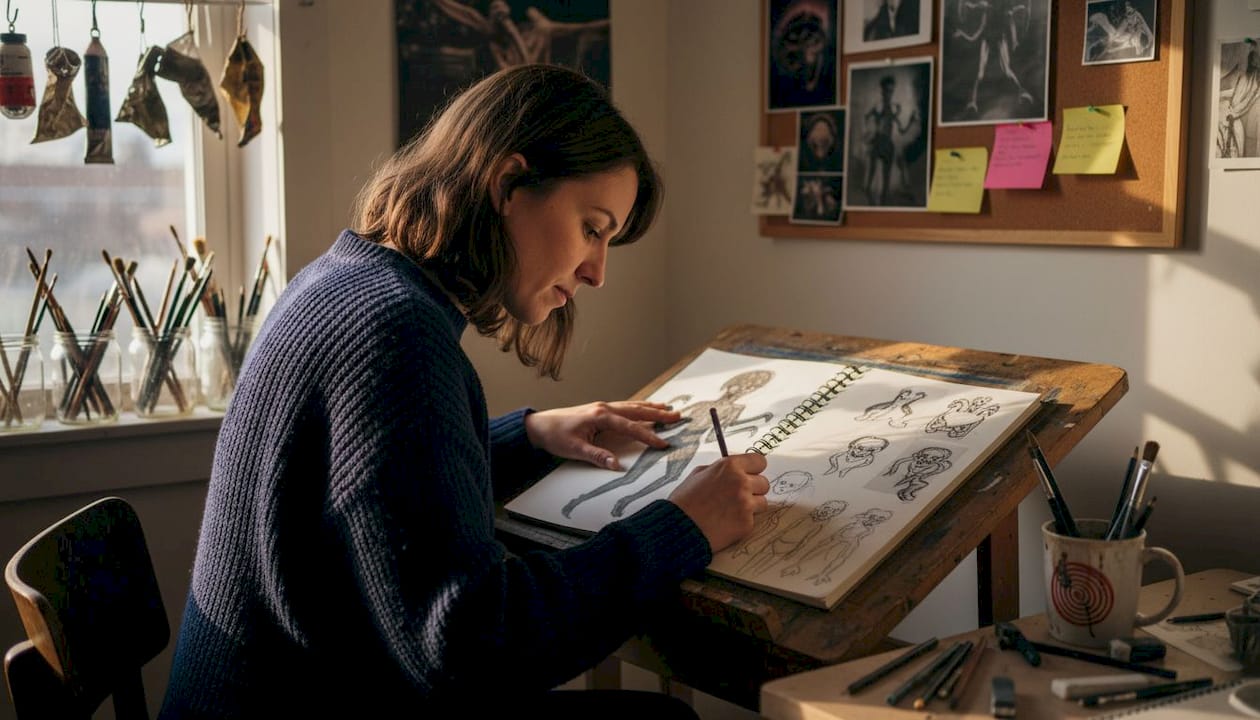
Horror is a different beast entirely. The goal isn't comfort. It's controlled unease. And the most effective horror illustrations don't show everything. They suggest. Horror illustrations rely on subtle symbolism, things like dolls, blood trails, and distorted shadows, to disturb readers without crossing into disgust. That distinction matters enormously.
Here's what works in each genre:
Children's illustrations:
- Bright, warm color palettes that signal safety
- Expressive character faces that model emotions clearly
- Consistent visual world-building across spreads
- Gentle visual metaphors for complex feelings
Horror illustrations:
- Muted or high-contrast palettes that create unease
- Negative space and shadows as active storytelling elements
- Symbolic objects that carry dread without explicit gore
- Off-frame threats that let the reader's imagination do the work
A multimedia impact study confirms that emotional response to illustrated content varies significantly by genre context. What soothes in one genre unsettles in another. That's not a flaw. It's the whole point.
Pro Tip: Match your illustration tone to your genre's emotional contract with the reader. Children expect comfort and wonder. Horror readers expect tension and the unknown. Betray either expectation and you lose the reader fast.
Explore horror book illustrations to see how this plays out in practice. And if you're curious about how scary stories and courage intersect for younger audiences, the genre lines are more fluid than you'd expect.
Edge cases and nuances: Balancing visuals and text, human vs. AI
Here's where things get complicated. More illustrations aren't always better. And newer tools don't automatically mean better results.
Overemphasis on visuals can actually detract from text literacy. When every moment is illustrated in exhaustive detail, readers stop practicing the mental work of imagining. That cognitive stretch is part of how reading builds comprehension skills over time. Strip it away entirely and you may be doing young readers a disservice.
The balance looks different depending on your audience and format. Here's what to watch for:
- Too many full-bleed spreads in a row can overwhelm rather than immerse
- Illustrations that repeat exactly what the text says add no value
- Visual clutter competes with the reader's focus rather than directing it
- Inconsistent illustration style breaks the reader's trust in the story world
- In horror, over-explaining through visuals kills suspense faster than anything
Then there's the AI question. Digital tools have made illustration more accessible, but AI-generated imagery carries real risks in both children's and horror genres. Human illustrators are vital for emotional nuance and cultural sensitivity that AI tools consistently miss. A human illustrator understands that a character's grief looks different depending on cultural context. AI often defaults to generic emotional shorthand.
This matters especially in children's books, where representation and cultural accuracy are not optional extras. And in horror, where the difference between unsettling and offensive is a razor-thin line that requires real human judgment.
"Illustration is an essential partner to text for young readers, not a substitute for it."
A visual literacy program that integrates both text and visuals thoughtfully produces stronger readers than one that leans too heavily on either. The goal is partnership, not dominance.
Browse children's illustrated books that model this balance well. And if you're exploring themes and elements in scary stories, you'll see how the best horror creators use restraint as a feature, not a limitation.
A fresh perspective: What most creators miss about illustration's true storytelling power
Most guides focus on style. Watercolor vs. digital. Whimsical vs. realistic. And while style matters, it's not the thing that separates forgettable illustrated books from the ones readers carry with them for decades.
What actually matters is empathy. Specifically, empathy for your genre and your audience. A technically brilliant illustrator who doesn't understand horror's emotional contract will produce beautiful images that feel completely wrong. A children's book artist who doesn't understand early childhood emotional development will create visuals that confuse rather than comfort.
The research is clear, but the insight goes deeper than data. The most powerful illustrated stories work because the creator understood who they were making the book for and what that reader needed to feel. Not what looked impressive. Not what was trending. What served the story and the reader.
Cultural sensitivity is part of this too. It's not a box to check. It's a form of respect for your audience that shows up in every illustration choice you make.
If you want to see what genuine genre empathy looks like in illustrated form, start with inspiring illustrated books that get it right. The technical polish is secondary. The emotional truth is everything.
Explore illustrated books and guidance for your next story
Ready to see these ideas come alive on the page? Whether you're developing your first illustrated story or refining your craft, the right examples make all the difference.

Mark Watson Books offers curated collections across both genres. Browse children's illustrated books that model emotional warmth and visual storytelling done right. Explore horror illustrated books that show how subtle symbolism creates genuine unease. And if you want a vivid example of genre-blending illustration at its most engaging, check out The Shark in the Park. It's the kind of book that reminds you exactly why illustrations matter. Don't wait. Your next story is closer than you think.
Frequently asked questions
How do illustrations affect children's reading comprehension?
Visual cues help children grasp story meaning and build reading skills by providing context that supports text before full literacy develops. Illustrations foster emotional connections and narrative understanding in picturebooks across all reading levels.
What types of illustrations work best in horror stories?
Subtle symbols like dolls, shadows, and blood trails create genuine unease without relying on graphic imagery. Horror symbolism works best when it disturbs rather than disgusts, letting the reader's imagination fill the gaps.
Are AI-generated illustrations as effective as human-made ones?
Human illustrators provide emotional nuance and cultural sensitivity that AI tools consistently miss, especially in complex genres. For children's and horror books, human illustrators are essential for capturing the emotional truth a story requires.
Can illustrations ever hinder storytelling?
Yes. Overemphasis on visuals can reduce the cognitive work that builds text literacy, especially in young readers. Thoughtful balance between image and text is always more effective than visual overload.