
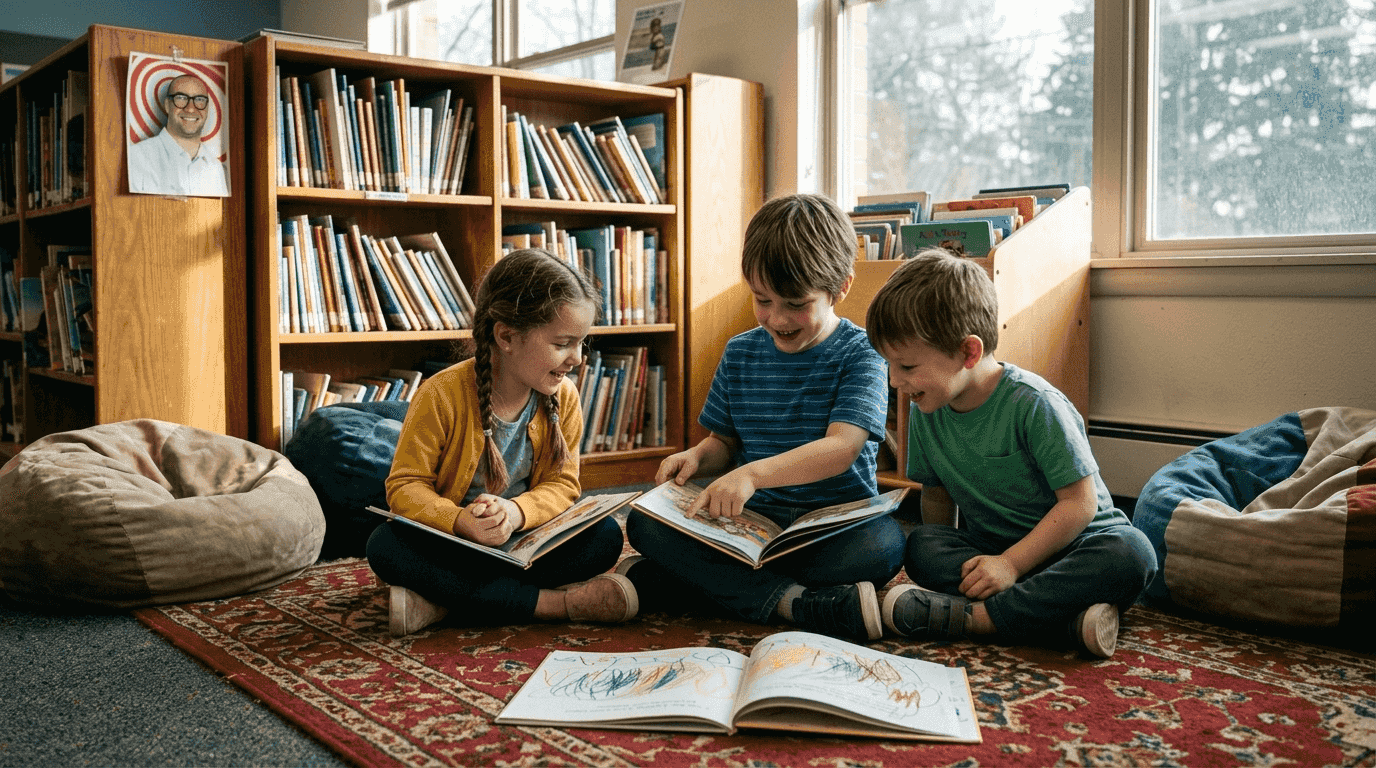
Choosing the right picture book for your child can feel overwhelming when faced with shelves full of colorful options. Understanding the different picture book categories helps you select books that match your child's developmental stage and learning goals. Whether you want to spark imagination, teach facts, or build early reading skills, knowing which type of picture book serves each purpose transforms how you support your child's literacy journey. This guide breaks down the main types of picture books and shows you how to pick the best fit for young readers.
Table of Contents
- Criteria For Choosing The Right Picture Book
- Fiction Picture Books: Storytelling And Moral Lessons
- Nonfiction And Concept Picture Books: Learning Through Facts And Ideas
- Interactive Picture Books And The Role Of Illustrations
- Comparison Of Picture Book Types: Finding The Best Fit For Your Child
- Discover Diverse Children's Books For Every Young Reader
- Frequently Asked Questions
Key takeaways
| Point | Details |
|---|---|
| Multiple categories exist | Picture books fall into overlapping categories based on content, style, and educational purpose. |
| Fiction builds imagination | Fiction picture books use imaginative stories and universal themes to develop empathy and social skills. |
| Nonfiction teaches facts | Nonfiction and concept books provide real-world knowledge and foundational ideas like colors and numbers. |
| Interaction boosts skills | Interactive reading with picture books significantly enhances children's language and narrative abilities. |
| Illustrations add depth | Visual elements convey mood, pacing, and story layers that text alone cannot communicate. |
Criteria for choosing the right picture book
Selecting a picture book requires more than grabbing the prettiest cover. You need to consider age appropriateness first, since picture books target children aged 0-6 and developmental needs shift rapidly during these years. A board book with simple images works for infants, while kindergarteners need more complex narratives and detailed illustrations.
Content type shapes what your child learns. Fiction books build imagination and emotional intelligence, nonfiction introduces real-world concepts, and concept books teach foundational ideas. Interactive elements like questions or prediction prompts turn passive listening into active engagement, which research shows boosts comprehension.
Illustration style matters more than you might think. Watercolor creates soft, dreamy moods while digital art offers bold, energetic visuals. Mixed media combines techniques for unique textures that capture attention. The visual approach should match the story's tone and appeal to your child's preferences.
Cultural representation deserves careful attention. Books featuring diverse characters, family structures, and traditions help all children see themselves in stories while building awareness of different experiences. Look for authentic portrayals created with sensitivity and research.
Pro Tip: Visit your local library to test different illustration styles and content types before buying. Children often have strong visual preferences you'll discover through trial.
When evaluating children's books, ask yourself these questions:
- Does the reading level match my child's current abilities and attention span?
- Will the content hold their interest and spark curiosity?
- Do the illustrations enhance understanding or just decorate pages?
- Does the book invite questions and conversation during reading?
Fiction picture books: storytelling and moral lessons
Fiction picture books transport children into imaginative worlds where anything becomes possible. These books feature fictional characters and universal themes that resonate across cultures and generations. You'll find talking animals learning about friendship, brave children facing fears, and magical creatures solving problems through cooperation.
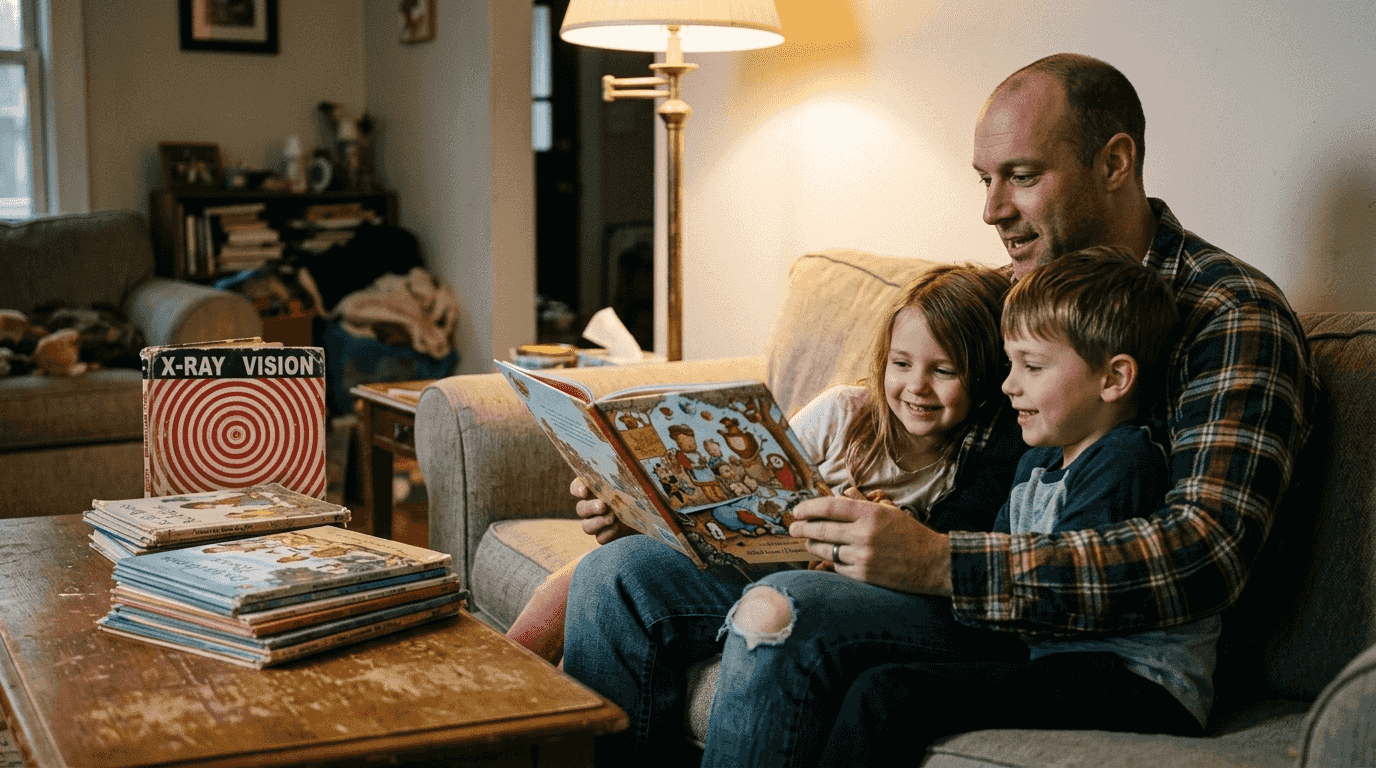
The narratives in fiction books serve purposes beyond entertainment. Stories about perseverance teach children to keep trying when tasks feel hard. Tales of courage show young readers how to stand up for what's right. Friendship stories model healthy relationships and conflict resolution. These themes stick with children long after you close the book.
Illustrations in fiction books do heavy lifting. They establish mood through color choices, show character emotions through facial expressions, and control pacing through page layouts. A scary scene might use dark purples and blacks, while a happy moment bursts with yellows and oranges. Children read these visual cues even before they decode words.
Fiction books excel at developing social and emotional skills. When you read about a character feeling sad, your child practices empathy. When a story shows characters working through disagreements, young readers learn conflict resolution strategies. This emotional education happens naturally through the art of storytelling.
Common elements in quality fiction picture books include:
- Relatable characters facing age appropriate challenges
- Clear story arcs with beginning, middle, and satisfying endings
- Dialogue that sounds natural and advances the plot
- Illustrations that reveal details not mentioned in text
- Themes that spark meaningful conversations between adults and children
The best fiction picture books balance entertainment with subtle life lessons. They never preach but instead let children draw their own conclusions from character experiences and story outcomes.
Nonfiction and concept picture books: learning through facts and ideas
Nonfiction picture books provide factual information about science, history, nature, and real people. These books satisfy curious minds asking endless "why" questions. A nonfiction book about volcanoes explains how they form and erupt. A biography introduces historical figures through age appropriate language and engaging visuals.
Concept books take a different approach by teaching fundamental ideas like colors, shapes, numbers, and emotions. These books build the cognitive foundation children need for future learning. A color concept book might show red apples, fire trucks, and stop signs. A shapes book transforms circles, squares, and triangles into familiar objects.
Both types boost vocabulary faster than fiction. Nonfiction introduces specific terminology like "metamorphosis" or "evaporation." Concept books repeat key words in varied contexts until children internalize meaning. This vocabulary expansion supports reading comprehension as children progress to chapter books.
The table below compares these two educational book types:
| Feature | Nonfiction Picture Books | Concept Picture Books |
|---|---|---|
| Primary purpose | Teach facts about real topics | Introduce foundational ideas |
| Vocabulary level | Subject-specific terms | Simple, repetitive words |
| Illustration style | Realistic or photographic | Colorful, simplified graphics |
| Best age range | 4-6 years | 0-4 years |
| Learning outcome | Knowledge and curiosity | Cognitive building blocks |
Quality nonfiction and concept books share certain characteristics. Clear, accurate illustrations support comprehension without overwhelming young readers. Simple text breaks complex ideas into digestible pieces. Organizational features like labels, diagrams, or compare-and-contrast layouts help children process information.
Pro Tip: Pair nonfiction books with hands-on activities. After reading about butterflies, visit a garden to spot real ones. Following a shapes book, go on a shape hunt around your home.
These books work especially well for visual learners who grasp concepts faster through images than verbal explanations. They also appeal to children who prefer facts over fantasy, giving every learning style a pathway to literacy engagement. Check out early readers tips for more strategies to support fact-focused young readers.
Interactive picture books and the role of illustrations
Interactive picture books transform reading from a passive activity into an engaging conversation. Interactive reading enhances narrative abilities by prompting children to predict what happens next, answer questions about characters, and connect story events to their own experiences. This active participation builds comprehension skills that transfer to independent reading.
Engagement strategies vary across interactive books. Some ask direct questions on each page: "Can you find the hidden mouse?" or "What do you think she'll do next?" Others use repetitive phrases that invite children to chime in. Lift-the-flap books add physical interaction that keeps little hands busy while brains process story information.
The vocabulary gains from interactive reading surpass those from straight-through reading. When you pause to discuss unfamiliar words, point out details in illustrations, or ask your child to retell parts of the story, you're creating multiple exposures to new language. Repetition in varied contexts cements word meanings in long-term memory.
Illustrations carry enormous weight in picture books. Illustrations significantly enhance reader experience by adding layers of meaning that text alone cannot convey. A character's worried expression tells you they're nervous before the words explain why. Background details reveal setting information without lengthy descriptions.
Visual elements attract reluctant readers who might resist word-heavy pages. Humor in illustrations, like a silly background character or unexpected visual joke, keeps children engaged and wanting to turn pages. Relatable character designs help young readers see themselves in stories, building personal connections to books.
"The interplay between words and images in picture books creates a unique reading experience where neither element tells the complete story alone. Children learn to read both text and visuals, developing multiliteracy skills essential for navigating our image-rich world."
Interactive features to look for include:
- Questions that require thinking beyond simple yes/no answers
- Opportunities to make predictions based on story clues
- Invitations to relate story events to personal experiences
- Prompts to notice specific illustration details
- Repetitive phrases or refrains children can memorize and recite
For practical guidance on creating engaging visuals, explore tips on illustrating kids books. The right illustrations paired with interactive elements create memorable reading experiences that children request again and again.
Comparison of picture book types: finding the best fit for your child
Each picture book type offers distinct benefits, and understanding these differences helps you build a well-rounded home library. The table below compares major categories across key criteria:
| Book Type | Primary Themes | Skills Developed | Visual Style | Best Age | Engagement Level |
|---|---|---|---|---|---|
| Fiction | Imagination, morals, emotions | Empathy, social skills | Varied artistic styles | 3-6 years | High through story |
| Nonfiction | Real-world facts, science, history | Knowledge, vocabulary | Realistic or photos | 4-6 years | Medium through curiosity |
| Concept | Colors, shapes, numbers, basics | Cognitive foundations | Simple, bold graphics | 0-4 years | Medium through repetition |
| Interactive | Varies by content | Comprehension, participation | Depends on type | 2-6 years | Very high through activity |
Fiction books shine when you want to develop emotional intelligence and imagination. They work beautifully for bedtime reading because narratives have clear endings that signal sleep time. Children who love stories and pretend play typically gravitate toward fiction.
Nonfiction serves curious children who ask constant questions about how things work. These books satisfy the need to understand the real world while building academic vocabulary. Pair nonfiction with related experiences like museum visits or nature walks for deeper learning.
Concept books belong in every infant and toddler's library. These foundational books teach the building blocks for later learning. Even babies benefit from looking at high-contrast images and hearing simple words repeated.
Interactive books engage children who struggle to sit still during reading time. The physical and mental participation keeps active kids focused. These books also work well for children with shorter attention spans who need frequent engagement to stay interested.
The categories overlap more than they separate. A fiction book might teach color concepts through its story. A nonfiction book can include interactive elements like flaps or questions. Don't feel locked into rigid categories when selecting books.
Mixing book types creates the most comprehensive literacy support. Rotate through different categories to expose your child to varied vocabulary, themes, and learning approaches. This diversity prevents boredom and addresses multiple developmental needs simultaneously.
Regular shared reading matters more than perfect book selection. Consistent reading time, even with imperfect book choices, builds stronger language skills than occasional reading of ideal books. Make reading a daily habit, and let your child's interests guide some selections.
Explore more about different categories at this children's books types overview to deepen your understanding of options available for young readers.
Discover diverse children's books for every young reader
Now that you understand the types of picture books and their unique benefits, you're ready to build a collection that supports your child's literacy journey. Finding high-quality books that match your child's interests and developmental stage makes all the difference in fostering a love of reading.

Mark Watson Books offers a carefully curated selection of children's books designed to engage young readers through compelling storytelling and vibrant illustrations. Whether you're looking for imaginative fiction or educational content, the collection provides diverse options for every reading goal. Explore titles like The Shark in the Park, which combines adventure with important lessons, or The Traveling Circus, perfect for children who love colorful characters and exciting plots. These books represent the quality and variety you need to support your child's growing literacy skills while making reading time something they eagerly anticipate.
Frequently asked questions
What age range do picture books typically target?
Picture books generally serve children from birth through age six, with content and complexity varying by developmental stage. Board books with simple images suit infants and toddlers, while kindergarteners benefit from more detailed narratives and sophisticated illustrations that challenge their growing comprehension skills.
How do interactive picture books benefit children's literacy?
Interactive reading boosts comprehension and vocabulary by turning passive listening into active participation. When children answer questions, make predictions, and discuss story events, they process information more deeply and retain new words better. These engagement strategies develop narrative abilities essential for reading success.
Can picture books help children understand complex social themes?
Picture books effectively introduce diversity, belonging, and emotional awareness through age-appropriate stories and inclusive illustrations. Children develop empathy by experiencing different perspectives through characters, and they learn to recognize and name their own emotions. This social-emotional learning foundation supports healthy relationships and inclusive thinking throughout life.
What role do illustrations play in picture books?
Illustrations add depth, mood, and narrative information that text alone cannot convey, making them essential rather than decorative. Visual elements attract reluctant readers, reveal character emotions, establish setting details, and control story pacing through layout choices. Children develop visual literacy skills by learning to read both words and images as complementary storytelling tools.