
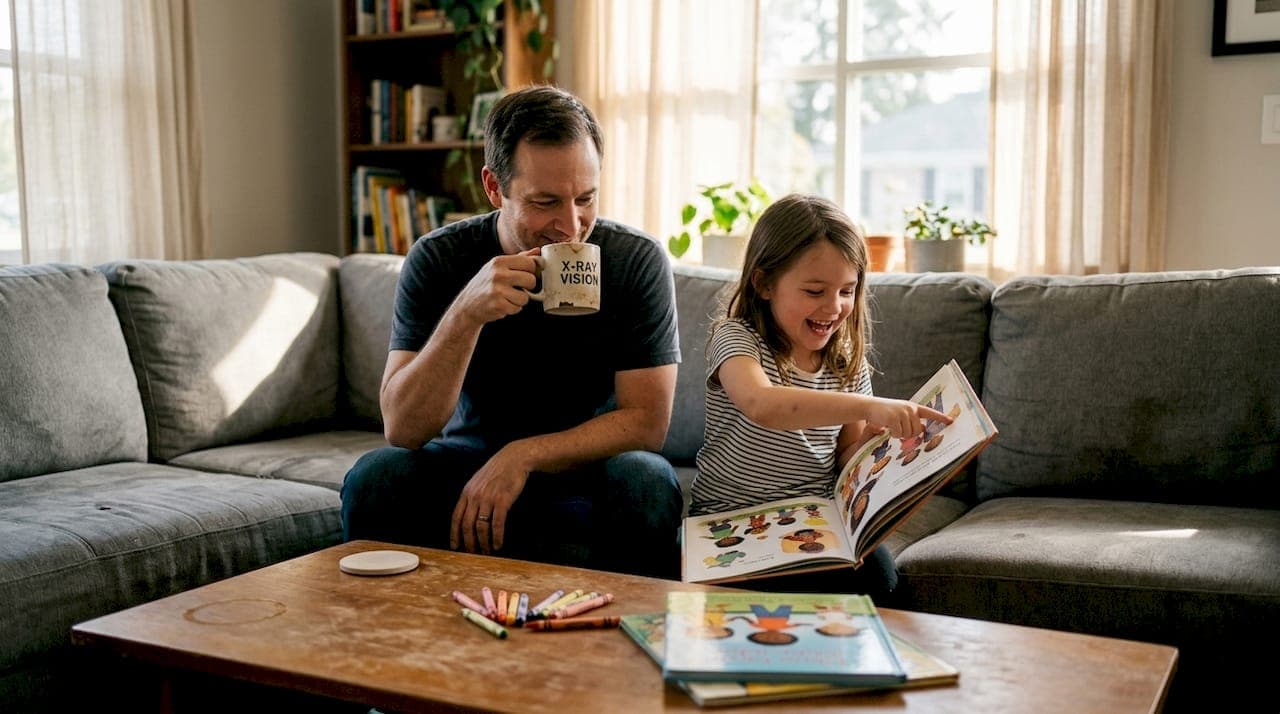
Choosing the right illustrated book is one of those decisions that feels small but lands big. The right pick can spark a lifelong love of reading, fire up a child's imagination, or give a horror fan that perfect shiver of suspense. Visually engaging books like Caldecott winners use suspenseful page turns and expressive characters to build deep emotional connections. Whether you're a parent hunting for bedtime magic, an educator building a classroom library, or a horror enthusiast craving something visually stunning, this guide walks you through the best illustrated books across genres, what makes them work, and how to choose wisely.
Table of Contents
- What makes a great illustrated book?
- Notable award-winning illustrated children's books
- Horror themes and spooky illustrated books for all ages
- How illustrated books are created: inside the artist's process
- Comparing illustrated book styles: US versus UK trends
- Discover your next illustrated favorite at Mark Watson Books
- Frequently asked questions
Key Takeaways
| Point | Details |
|---|---|
| Visuals boost engagement | Expressive illustrations spark imagination and promote frequent reading in children. |
| Award-winners lead trends | Current acclaimed books set standard for quality artwork and storytelling. |
| Spooky books can be safe | Well-crafted horror books use humor and gentle suspense to encourage courage, not fear. |
| Creation takes months | Professional illustrated books typically require three to six months to produce. |
| Styles cross borders | US and UK trends influence each other and shape a global visual book market. |
What makes a great illustrated book?
Not every illustrated book earns a permanent spot on the shelf. The best ones share a handful of qualities that keep readers coming back.
Artwork quality is the first filter. Expressive visuals, bold color choices, and immersive settings pull readers in before a single word is read. Empirical research on Caldecott winners confirms that young learners prefer vivid illustrations and engaging characters for repeat reading and increased engagement.
Emotional connection is the second. When text and imagery work together, early literacy gets a serious boost. A child who feels something while reading is a child who wants to read again. Explore how picture books for kids' literacy use this pairing to build foundational skills.
Age-appropriateness matters most when horror themes enter the picture. The goal is spooky fun, not nightmares. Horror-themed illustrated books like ghost stories with rhythmic text hit that sweet spot perfectly. For more guidance, check out this guide to spooky stories for children.
Here's a quick checklist for evaluating any illustrated book:
- Does the artwork invite the reader to linger on each page?
- Are characters expressive and relatable?
- Does the pacing encourage active page turns?
- Is the tone matched to the reader's age and comfort level?
- Does the story leave room for imagination?
Pro Tip: Look for books where the illustrations tell a slightly different story than the text. That gap sparks conversation and critical thinking in young readers.
For more selection strategies, the children's book tips guide is packed with expert advice.
Notable award-winning illustrated children's books
Award lists are a reliable shortcut to quality. Recent Caldecott and NYPL picks set the standard for visual storytelling, and the 2025 and 2026 cycles delivered some genuinely exciting titles.
Fireworks by Matthew Burgess, illustrated by Cátia Chien, won the 2026 Caldecott Medal. Its layered imagery and emotional depth make it an instant classic. The NYT and NYPL best books lists also spotlight titles like The Boy Who Became a Parrot and Cat Nap for their standout visual storytelling.
Here's a snapshot of notable recent titles:
- Fireworks by Matthew Burgess, illustrated by Cátia Chien (2026 Caldecott Medal)
- The Boy Who Became a Parrot (NYT Best of 2025)
- Island Storm (vivid weather and emotional resilience themes)
- Oasis (stunning desert palette, ages 4 to 8)
- Cat Nap (humor-driven, perfect for reluctant readers)
- Every Monday Mabel (warm, character-driven storytelling)
One striking data point: in a study on Caldecott winners, children engaged longest with books featuring humor and memorable characters. Click, Clack, Moo was read 161 times by children in one study group. That's the power of great illustrations.
| Title | Illustrator | Year | Visual style | Recommended age |
|---|---|---|---|---|
| Fireworks | Cátia Chien | 2026 | Layered, emotional | 4 to 8 |
| The Boy Who Became a Parrot | Various | 2025 | Expressive, colorful | 5 to 9 |
| Cat Nap | Various | 2025 | Playful, humorous | 3 to 7 |
| Every Monday Mabel | Various | 2025 | Warm, character-driven | 4 to 8 |
| Oasis | Various | 2025 | Bold, atmospheric | 4 to 8 |
Browse the full children's books collection for more standout picks. And if you want to understand what makes these books so captivating, this piece on captivating children's books breaks it down beautifully. The NYPL best books list is also worth bookmarking for annual updates.
Horror themes and spooky illustrated books for all ages
For those intrigued by spine-tingling fun, here's how the best illustrated horror books balance chills with age-appropriate storytelling.
The secret is tone. A well-crafted spooky book feels like a campfire story, not a nightmare. Rhythmic text, expressive but not grotesque artwork, and a hint of humor keep young readers thrilled rather than terrified.
"Experts recommend 'spooky fun' over genuine scares for young readers. The best horror picture books use atmosphere and suspense rather than shock."
Here are some standout titles worth knowing:
- The Legend of Sleepy Hollow illustrated by Gris Grimly: suitable for ages 5 to 9, with moody, expressive artwork that captures Washington Irving's eerie atmosphere without overwhelming young readers.
- Frankenstein by Gris Grimly: 200 pages of illustrations paired with Mary Shelley's original 1818 text, making it a stunning visual experience for older readers.
- Tailypo by Paul Galdone: A classic read-aloud with a creepy creature and a satisfying rhythm.
- The Ghost-Eye Tree by Bill Martin Jr. and John Archambault: A masterclass in suspense through illustration and pacing.
- The Gashlycrumb Tinies by Edward Gorey: Dark, witty, and unforgettable for older readers.
- The Haunted Looking Glass edited by Edward Gorey: A curated collection of ghost stories with Gorey's signature macabre style.
| Title | Age range | Illustration style | Horror level | Read-aloud? |
|---|---|---|---|---|
| The Legend of Sleepy Hollow | 5 to 9 | Moody, expressive | Playful spooky | Yes |
| Frankenstein (Grimly) | 10 and up | Detailed, gothic | Creepy | Yes |
| Tailypo | 5 to 8 | Folk art, bold | Playful spooky | Yes |
| The Ghost-Eye Tree | 4 to 8 | Atmospheric, dark | Mild suspense | Yes |
| The Gashlycrumb Tinies | 12 and up | Pen and ink, gothic | Dark humor | Yes |
Pro Tip: Choose horror books with humor or rhyming text for a child's first introduction to scary stories. The rhythm keeps anxiety low and excitement high.
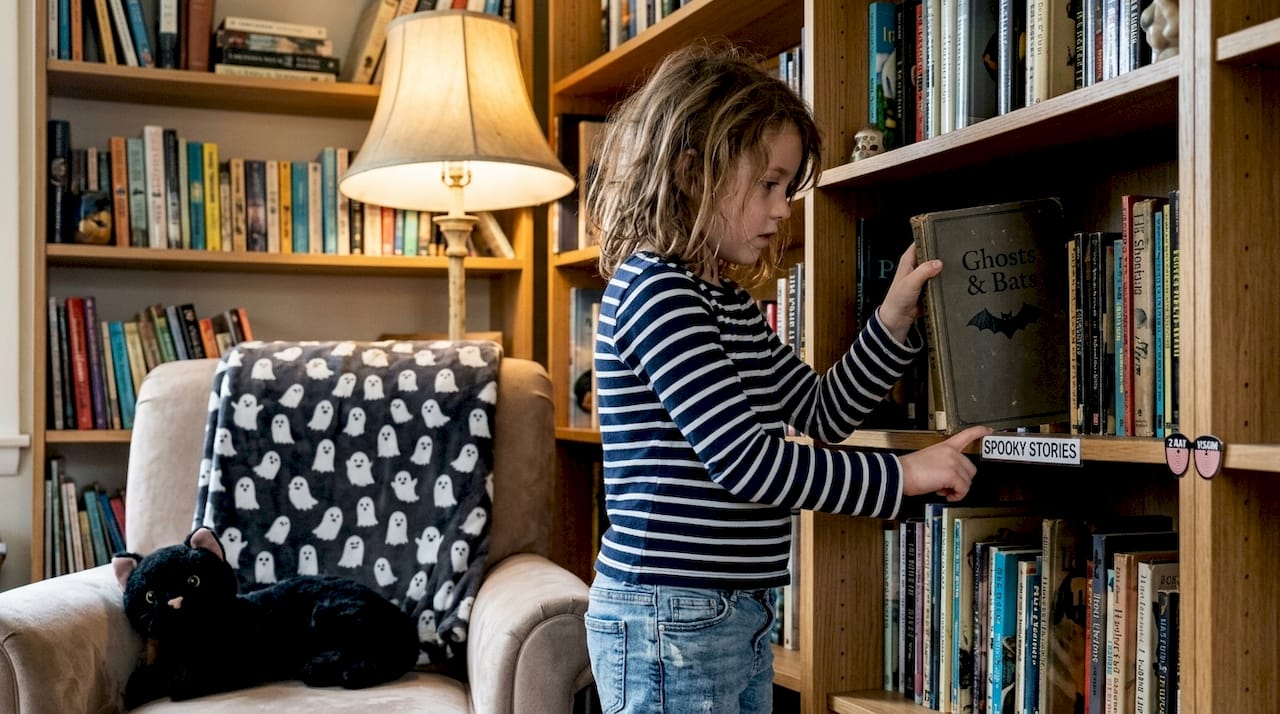
For deeper reading, explore classic horror for children and the full horror books collection. Fans of the genre will also love this roundup of classic horror books every enthusiast should know.
How illustrated books are created: inside the artist's process
Knowing what makes these books special also means appreciating the craft behind the imagery. Here's an accessible look at how illustrated books come to life.
The illustration process for a standard 32-page picture book typically spans 3 to 6 months and follows a clear sequence:
- Manuscript analysis: The illustrator reads the text three times, mapping the emotional arc, identifying key visual moments, and spotting gaps where art can add meaning the words don't cover.
- Character design: Rough thumbnails are sketched and refined until characters feel right for the story's age range and emotional tone.
- Storyboarding: A 32-page book typically breaks into 15 to 17 spreads. The artist plans pacing, suspense, and visual rhythm across the whole book before committing to final art.
- Refined sketches: Detailed pencil or digital sketches are reviewed and adjusted based on feedback from editors and art directors.
- Final artwork: Completed using digital tools, traditional media, or a hybrid approach. Color, texture, and light are finalized at this stage.
This process is why great illustrated books feel so intentional. Every shadow, every color choice, every character expression is a deliberate decision. For a closer look at illustrating kids' books, the practical guide covers tools and techniques in detail.
Pro Tip: Ask children to identify how specific art choices make them feel. "Why does this page feel scary?" or "What does the color blue mean here?" builds visual literacy alongside reading skills. More strategies are available in the early reader strategies guide.
Comparing illustrated book styles: US versus UK trends
Finally, let's widen the lens with a global viewpoint and see how US and UK styles influence what ends up on readers' shelves.
The Caldecott Award (US) and the Kate Greenaway Medal (UK) are the two most influential prizes in illustrated children's books. They reflect genuinely different visual cultures. US Caldecott books lean toward bright palettes, especially yellows, dynamic compositions, and action-forward covers. UK Greenaway books tend to favor cooler tones, character-focused compositions, and a more introspective mood.
"Homogenization via global markets is shaping a new visual norm, blending the energy of US illustration with the emotional depth of UK styles."
| Feature | US Caldecott style | UK Greenaway style |
|---|---|---|
| Palette | Warm, bright, yellows | Cool, muted, blues and greens |
| Composition | Action-forward, dynamic | Character-centered, still |
| Mood | Energetic, playful | Introspective, emotional |
| Cover design | Bold, eye-catching | Subtle, detailed |
This cultural exchange is genuinely exciting. As publishers operate globally, illustrators are blending both traditions, creating books that feel fresh and internationally resonant. Explore how picture book styles vary and what that means for your selections. The advice for early readers guide also touches on how visual style affects comprehension and engagement.
Discover your next illustrated favorite at Mark Watson Books
You've just explored the criteria, the award winners, the spooky classics, the creative process, and the global trends shaping illustrated books today. Now it's time to find your next favorite.

At Mark Watson Books, you'll find a handpicked selection of illustrated books spanning children's classics to the latest horror releases. Whether you're searching for a visually stunning bedtime story or a spine-tingling read for older fans, the horror books collection and creepypasta books collection have something to surprise and delight every reader. Every title is chosen with care, so you can trust that what you find is worth your time and shelf space. Don't wait. Your next illustrated obsession is already there.
Frequently asked questions
What are the top illustrated books for young children?
Recent Caldecott and NYPL lists feature standout illustrated books including Fireworks, The Boy Who Became a Parrot, and Every Monday Mabel, all celebrated for their exceptional visuals and storytelling.
Which illustrated horror book is best for kids under 10?
The Legend of Sleepy Hollow illustrated by Gris Grimly and The Tailypo by Paul Galdone are both spooky, fun, and perfectly calibrated for young readers who want a thrill without the nightmares.
How long does it take to create an illustrated children's book?
A standard 32-page picture book typically takes 3 to 6 months from initial concept to final artwork, depending on the complexity of the illustrations and the revision process.
Do illustrated books help early literacy?
Absolutely. Visually rich books foster engagement, reinforce text understanding, and encourage children to return to the same book repeatedly, which is one of the strongest predictors of early reading success.
What's the difference between US and UK illustrated book styles?
US books often feature bright, action-forward covers with warm palettes, while UK Greenaway-style books emphasize character and cooler tones, though global publishing trends are steadily blending both approaches.