

Writing a children's book that truly resonates requires balancing creativity with strategic understanding of your young audience and the adults who buy the books. Many aspiring authors underestimate the complexity of crafting stories that engage children while connecting meaningfully with parents, teachers, and caregivers. This comprehensive guide walks you through essential storytelling techniques, age-appropriate themes, manuscript preparation, and publishing strategies to help you succeed in the competitive children's book market of 2026. Whether you're drafting your first picture book or refining a middle-grade novel, you'll discover actionable insights to transform your manuscript into a published success.
Table of Contents
- Understanding Children's Book Genres And Audience Ages
- Crafting Engaging Storytelling And Age-Appropriate Themes
- Preparing Your Manuscript And Illustrations For Publication
- Marketing And Distribution Strategies For Children's Books
- Explore Children's Books And Publishing Resources
Key takeaways
| Point | Details |
|---|---|
| Dual audience appeal | Your book must captivate children while resonating with the adults who purchase and read it aloud. |
| Word count discipline | Picture books typically range from 500 to 1000 words, with editors preferring manuscripts under 750 words. |
| Age-appropriate targeting | Understanding your specific age group and genre guides vocabulary choices, themes, and manuscript length. |
| Distribution drives success | Effective marketing and distribution through schools, libraries, bookstores, and online channels determine sales outcomes. |
| Authentic storytelling wins | Revision, craft development, and genuine character portrayal significantly improve your publication chances. |
Understanding children's book genres and audience ages
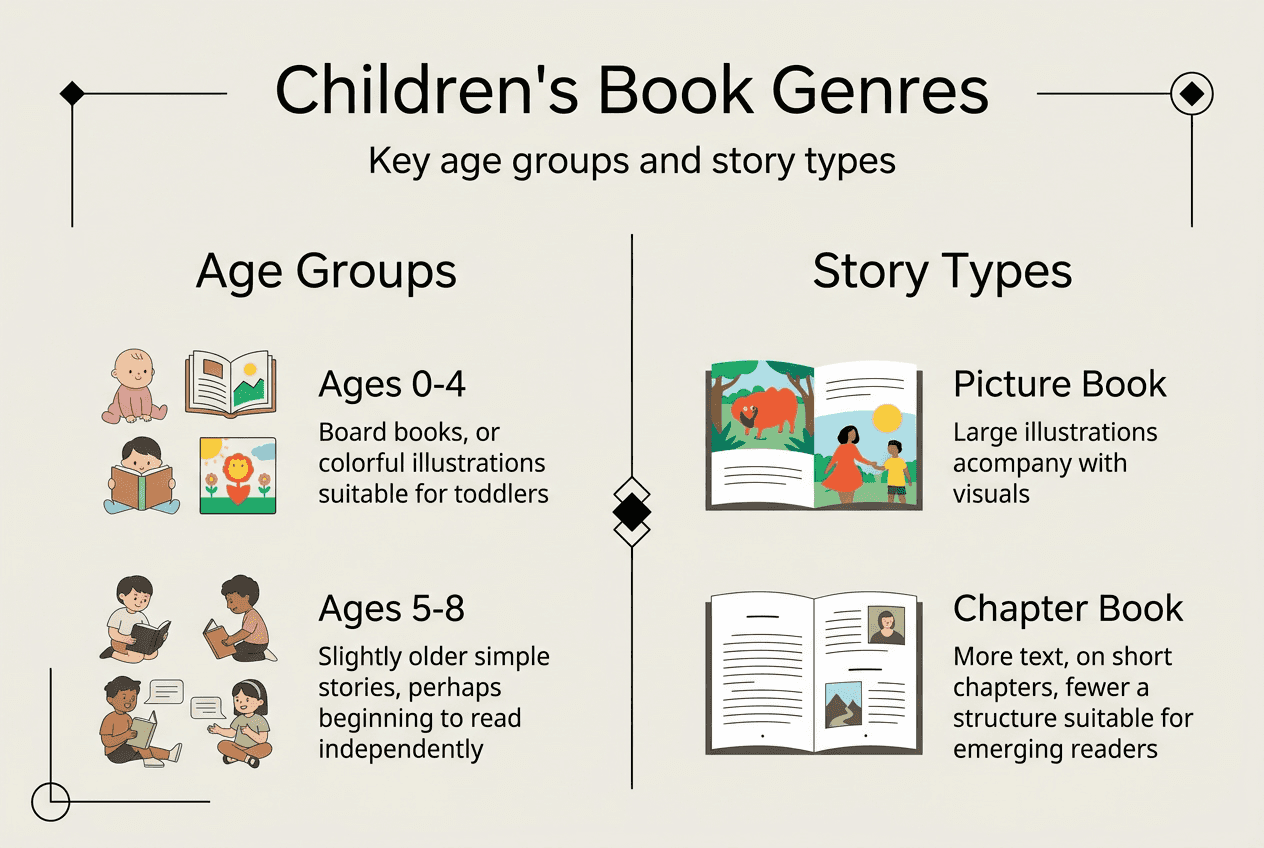
Successfully targeting your children's book begins with understanding the distinct age categories and their expectations. Children's book publishing encompasses various age groups and sub-genres, each with specific publisher requirements. Board books serve the youngest readers aged 0 to 4, featuring durable pages and simple concepts in under 100 words. Picture books target children aged 3 to 8, combining illustrations with narratives of 500 to 1000 words that explore emotions, friendships, and everyday adventures.
Chapter books bridge the gap for readers aged 7 to 10 who are transitioning to independent reading, typically containing 4,000 to 10,000 words divided into short chapters. Middle-grade novels engage children aged 8 to 12 with more complex plots and character development, ranging from 20,000 to 50,000 words. Young adult fiction targets readers aged 12 to 18, tackling sophisticated themes and featuring protagonists navigating adolescence in manuscripts of 50,000 to 80,000 words.
Picture books include sub-genres like fairy tales, alphabet books, and bedtime stories, unlike the broader genre classifications in adult literature. Exploring types of picture books for kids literacy reveals how each sub-genre serves specific developmental and educational purposes. Selecting your target age group guides every creative decision, from vocabulary complexity to thematic depth and manuscript length.
| Age Group | Book Type | Typical Word Count |
|---|---|---|
| 0-4 years | Board Books | Under 100 words |
| 3-8 years | Picture Books | 500-1000 words |
| 7-10 years | Chapter Books | 4,000-10,000 words |
| 8-12 years | Middle Grade | 20,000-50,000 words |
| 12-18 years | Young Adult | 50,000-80,000 words |
Understanding these distinctions prevents the common mistake of writing a picture book with middle-grade themes or creating a chapter book with vocabulary too advanced for your target readers. Publishers evaluate submissions based on how well authors demonstrate knowledge of their chosen category's conventions and reader expectations.
Crafting engaging storytelling and age-appropriate themes
Creating stories that captivate requires mastering the unique demands of writing for young readers while maintaining appeal for adults. Successful children's books engage children and connect with parents, teachers, or caring adults who purchase and read these books aloud. Your language must flow naturally when spoken, with rhythm and cadence that make read-aloud sessions enjoyable rather than cumbersome. Short sentences mixed with slightly longer descriptive passages create musical variety that holds attention.
Age-appropriate themes promote emotional and psychological growth without overwhelming young readers. Picture books often explore friendship, courage, sharing, and managing emotions through relatable scenarios. Middle-grade novels can tackle more complex issues like family dynamics, identity, and resilience, always providing hope and age-appropriate resolution. Avoid inserting adult perspectives or concerns that disconnect from children's authentic experiences and developmental stages.
Many aspiring authors attempt rhyming picture books without poetic training, resulting in forced meter and awkward phrasing that editors immediately reject. Unless you're a trained poet, prose typically serves your story better. Focus on strong verbs, sensory details, and emotional resonance rather than rhyme schemes. Authenticity is crucial because readers value truthful, well-researched stories that reflect genuine experiences or thorough research.
Building authentic characters means avoiding stereotypes and creating individuals with distinct voices, motivations, and growth arcs. Children recognize when characters feel manufactured or preachy. Your protagonist should face genuine challenges and make mistakes, modeling problem-solving and resilience rather than perfection. Secondary characters add depth and humor, providing opportunities for dialogue that reveals personality and advances the plot naturally.
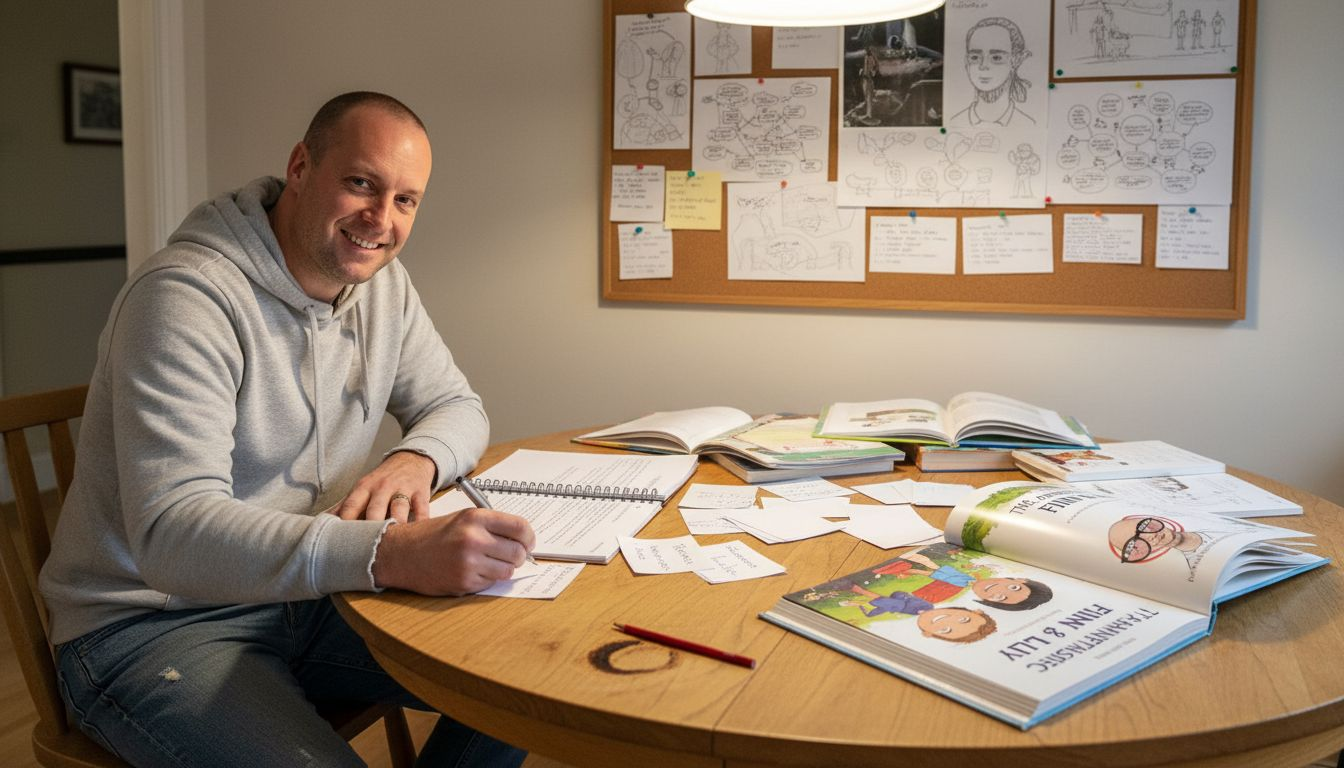
Pro Tip: Workshop your manuscript with critique groups and seek feedback from educators or librarians before submission. Fresh perspectives identify confusing passages, pacing issues, and moments where your story loses young readers' attention.
Consider how your book serves both audiences simultaneously. Children engage with the adventure, humor, and relatable emotions, while adults appreciate layered meanings, quality writing, and themes that spark meaningful conversations. Exploring resources like children's book tips for early readers provides additional strategies for balancing these dual needs. Studying successful examples like this heartwarming Christmas picture book reveals how effective storytelling creates emotional connections across generations.
Preparing your manuscript and illustrations for publication
Manuscript preparation separates amateur submissions from professional ones that capture publisher attention. Picture books should contain 500 to 1000 words, with editors often preferring manuscripts between 500 and 750 words for optimal pacing and read-aloud flow. Every word must earn its place, advancing the story or deepening character without padding or unnecessary description. Ruthlessly cut adverbs, redundant dialogue tags, and explanatory passages that underestimate your young readers' comprehension.
Revision transforms rough drafts into polished manuscripts ready for submission. Read your story aloud repeatedly, noting awkward phrasing, confusing transitions, or momentum lapses. Time each read-aloud session to ensure your pacing matches typical bedtime or classroom reading durations. Seek honest feedback from beta readers familiar with children's literature, specifically asking about clarity, engagement, and age-appropriateness. Incorporate constructive criticism while maintaining your unique voice and vision.
Most publishers prefer text-only submissions unless the author is also the illustrator, because publishers have established relationships with professional illustrators whose styles match their brand. Including amateur illustrations or overly specific illustration notes suggests you don't understand industry standards. Instead, indicate page breaks and essential visual elements sparingly, trusting the illustrator to interpret your narrative creatively.
Self-publishing offers creative control and higher royalty percentages but demands significant marketing expertise and upfront investment. You'll handle editing, illustration, formatting, printing, distribution, and promotion independently. Success requires understanding retail channels, pricing strategies, and audience-building tactics that traditional publishers manage internally. Learning how to illustrate kids books becomes essential if you're pursuing self-publication and creating your own artwork.
Follow these steps to prepare your manuscript professionally:
- Complete your first draft without self-editing, focusing on getting the story down.
- Revise for structure, pacing, and character development, strengthening weak sections.
- Edit for clarity, word choice, and grammar, eliminating unnecessary words.
- Gather feedback from critique partners, educators, or beta readers in your target age group.
- Implement revisions based on constructive feedback while preserving your authentic voice.
- Proofread meticulously for typos, formatting consistency, and submission guideline compliance.
- Research agents or publishers whose lists include books similar to yours in style and theme.
| Aspect | Traditional Publishing | Self-Publishing |
|---|---|---|
| Upfront costs | None, publisher covers all expenses | Author pays for editing, illustration, printing, marketing |
| Creative control | Publisher decides on illustrations, design, marketing | Author controls all creative and business decisions |
| Timeline | 1-3 years from acceptance to publication | Weeks to months, depending on preparation |
| Distribution | Established channels, bookstore placement | Author manages distribution, online focus |
| Royalties | 5-15% of retail price | 35-70% depending on platform and pricing |
| Marketing support | Variable, often limited for debut authors | Entirely author's responsibility |
Pro Tip: If you're not a professional illustrator, hire experienced children's book illustrators whose portfolios demonstrate understanding of your target age group. Unprofessional artwork immediately disqualifies otherwise strong manuscripts from serious consideration.
Marketing and distribution strategies for children's books
Even exceptional manuscripts fail without effective distribution and marketing strategies connecting your book with readers. Distribution is everything in the business of publishing a children's book, determining whether your story reaches classrooms, libraries, bookstores, and homes. Traditional publishers leverage established distribution networks, but self-published authors must build these channels independently through online retailers, direct sales, and community partnerships.
Differentiating your book in the competitive children's market requires unique concepts, exceptional illustrations, and strategic branding. The children's book market demands differentiation through high-quality illustrations and effective marketing that highlights what makes your story distinctive. Analyze successful books in your category, identifying gaps your manuscript fills or fresh perspectives you bring to familiar themes. Your unique author platform, whether expertise in education, psychology, or personal experience, adds credibility and marketing angles.
Marketing tactics must reach both children and the adults who make purchasing decisions. Social media platforms like Instagram and Facebook allow you to share illustrations, behind-the-scenes content, and read-aloud videos that build anticipation. Engage authentically with parenting communities, educator groups, and book bloggers who influence purchasing decisions. Book reviews from trusted sources like School Library Journal, Kirkus, or popular book bloggers provide social proof that drives sales.
Author events at schools, libraries, bookstores, and literacy festivals create personal connections with readers and generate word-of-mouth promotion. Offer interactive read-aloud sessions, illustration demonstrations, or writing workshops that showcase your expertise and passion. Partner with educators to develop lesson plans or activity guides that position your book as a valuable classroom resource, expanding your reach beyond retail channels.
"Distribution is everything in the business of publishing a children's book. Without effective distribution channels connecting your story to readers through bookstores, schools, libraries, and online platforms, even the most captivating manuscript remains invisible to its intended audience."
Implement these marketing strategies to maximize your book's visibility and sales:
- Build an author website and email list before publication, creating a launch audience.
- Engage consistently on social media platforms where your target audience spends time.
- Seek honest reviews from book bloggers, educators, and parenting influencers in your niche.
- Participate in virtual and in-person author events, school visits, and literacy conferences.
- Connect with school librarians and teachers who recommend books to students and parents.
- Develop supplementary materials like activity sheets, discussion guides, or lesson plans.
- Leverage Amazon advertising, BookBub promotions, or social media ads strategically.
Browsing successful examples in the children's books collection reveals effective cover design, compelling descriptions, and marketing approaches that resonate with buyers. Studying what works in your category informs your own positioning and promotional strategies.
Explore children's books and publishing resources
As you develop your manuscript and navigate the publishing journey, exploring curated collections and expert resources accelerates your learning and inspiration. The children's books collection showcases diverse styles, themes, and age categories that illustrate successful storytelling approaches and market trends. Analyzing published works helps you understand what resonates with young readers and purchasing adults in 2026.

Whether you're writing, illustrating, or both, practical guides like this comprehensive illustration tutorial provide technical skills and creative strategies to enhance your book's visual appeal. Additional publishing resources available at Mark Watson Books offer ongoing support as you refine your craft and pursue publication opportunities that align with your goals.
FAQ
What is the ideal word count for a children's picture book?
Picture books should contain 500-750 words ideally, with a maximum of 1,000 words for optimal editor appeal. Concise manuscripts maintain young readers' attention spans and create smooth read-aloud experiences. Shorter lengths force you to choose impactful words and eliminate unnecessary description, strengthening your storytelling.
Should I include illustrations when submitting my manuscript to a publisher?
Submit text-only manuscripts unless you're a professional illustrator, as publishers prefer working with their established illustration partners. Including amateur artwork or overly detailed illustration notes signals unfamiliarity with industry standards and may lead to immediate rejection. Focus on crafting compelling narratives that allow professional illustrators creative interpretation.
How can I effectively market my self-published children's book?
Success hinges on social media engagement, honest book reviews, and author events that build authentic connections with your audience. Engage parenting communities on Instagram and Facebook, sharing read-aloud videos and behind-the-scenes content. Connect directly with schools and libraries through author visits and educator outreach that positions your book as a valuable classroom resource.
Why is authenticity important in children's book writing?
Authenticity builds trust and emotional connection with readers, enhancing engagement and impact. Children recognize when characters feel manufactured or stories lack genuine emotional truth. Writing from personal experience or conducting thorough research creates believable worlds and relatable characters that resonate across diverse young audiences and foster meaningful conversations between children and adults.
Recommended
- Children's book tips for early readers: expert guide 2026
- How to illustrate kids' books: practical guide 2026
- Children's Books | Mark Watson Books
- The Art of Storytelling: What Makes a Book Impossible to Put Down | Mark Watson books: Crybaby, a gripping horror thriller of survival and vengeance about a rogue elephant in rural India. Buy now or learn more.
- SIXTEEN SOUTH’S CHILDREN’S SHOWS GO GLOBAL (@sixteensouth) - LoveBelfast
- Ways to Help Kids Learn to Love Reading – Hazli Collection