
TL;DR:
- Children are naturally drawn to scary stories as a safe way to experience intense emotions. Engaging with horror can build resilience, emotional regulation, and social bonds. Properly curated, horror serves as a healthy developmental and social tool for children.
Nearly all children actively seek out scary stories, and most parents are surprised to learn that this is not just normal — it's actually healthy. The idea that horror is purely negative for young minds is one of the most persistent misconceptions in parenting and education. Research shows that kids enjoy recreational fear far more widely than most adults realize, and the reasons behind that pull are rooted in psychology, biology, and social development. This article unpacks the science, shares practical guidance, and gives you the tools to make horror a positive force in your child's life.
Table of Contents
- The science behind kids' fascination with fear
- Horror as a social and developmental tool
- What makes horror healthy or harmful?
- Practical tips for harnessing the value of horror
- Why thoughtful horror engagement matters more than ever
- Discover age-appropriate horror for curious young readers
- Frequently asked questions
Key Takeaways
| Point | Details |
|---|---|
| Safe fear helps kids grow | Scary stories give children a way to practice coping with fear in a safe and supportive context. |
| Social horror strengthens bonds | Most children experience fear together with family or friends, building connections and security. |
| Right balance is crucial | Matching story intensity and context to each child's needs maximizes benefits and reduces risk. |
| Parents guide positive outcomes | Active involvement and age-appropriate choices help ensure scary stories are a healthy adventure. |
The science behind kids' fascination with fear
Now that we've challenged the horror stigma, let's look at the science of why kids are so drawn to scary experiences. The answer goes much deeper than simple curiosity or thrill-seeking.
Scary stories give children a rare and powerful opportunity: the chance to feel intense emotions without real-world consequences. When a child reads about a monster lurking in the dark, their heart races, their palms sweat, and their brain fires up the same threat-response systems that would activate in a real emergency. But the child is safe on the couch. That contrast, the thrill of danger without actual danger, is exactly what makes horror so appealing and so useful.
The science of scares points to several key psychological mechanisms that drive children toward frightening content. Understanding these mechanisms helps parents and educators see horror as a tool rather than a threat.
Key psychological drivers that make horror appealing to children:
- Emotion regulation practice: Horror lets kids rehearse fear responses in a low-stakes environment, building the mental "muscle" needed to manage intense feelings in real life.
- Resilience building: Theories around risky play suggest that children who engage with manageable fear develop stronger coping skills over time.
- Adrenaline and sensation-seeking: The natural adrenaline rush from a scary story is genuinely enjoyable for many children, just as roller coasters are. Some kids are biologically wired to seek out that sensation more than others.
- Social learning: Children watch how others react to scary moments and pick up cues about how to handle fear themselves.
- Mastery and control: Finishing a scary book or movie gives children a real sense of accomplishment. They faced something frightening and came out the other side.
The impact of horror books on emotional intelligence is especially significant. Stories with genuine tension force young readers to sit with discomfort, process complex feelings like dread and relief, and ultimately build confidence in their own emotional capacity.
"Safe fear builds real-world confidence and coping skills. When children learn to navigate frightening stories, they are practicing for the moments in life that will actually challenge them."
This is not a fringe idea. It aligns with decades of developmental psychology showing that play, including scary play, is one of the most important ways children grow.
Horror as a social and developmental tool
Understanding the biological appeal, let's explore how horror works as a tool for social connection and healthy development. Because here's something that often surprises parents: most scary experiences kids have are not solitary.
Research reveals that 89% of recreational fear occurs socially, with family or friends. Horror is not usually a child alone in their room spiraling into nightmares. It's siblings reading under the covers together. It's a family movie night where everyone screams at the same jump scare and then laughs about it for days. It's a group of friends daring each other to finish a spooky story.
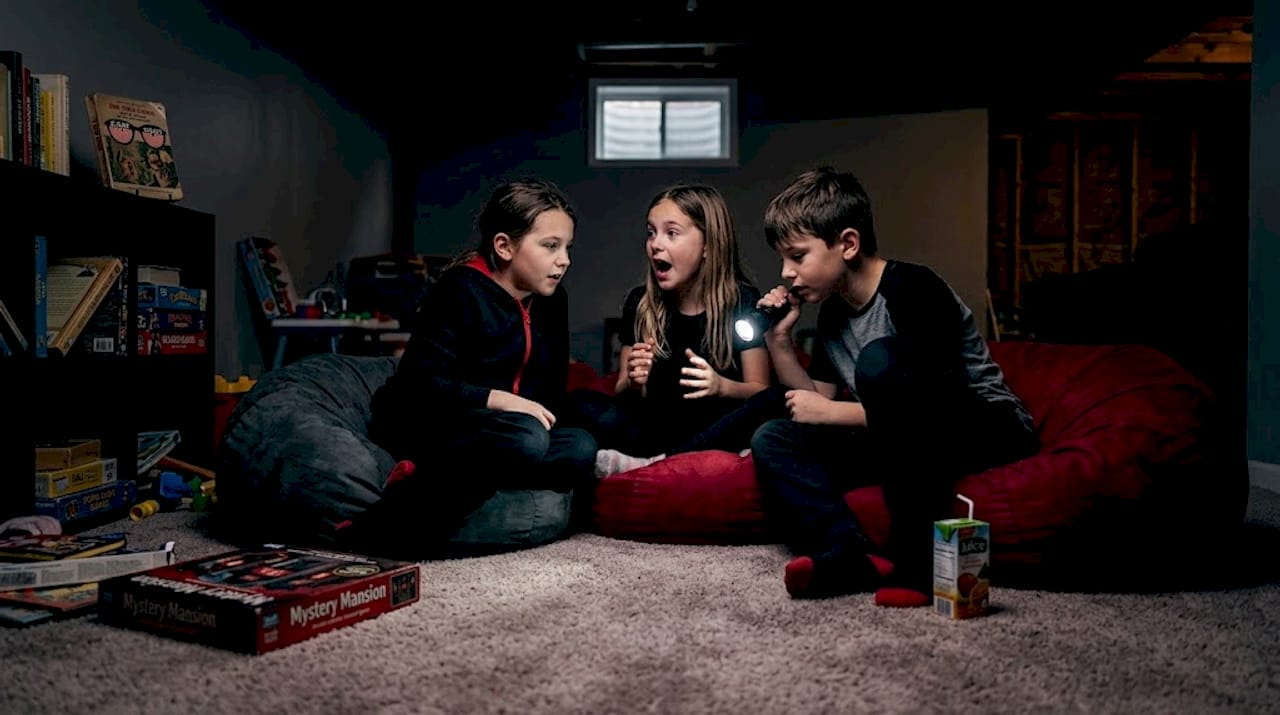
That shared element is doing something really important. When children experience fear alongside trusted people, it strengthens bonds, provides immediate emotional security, and teaches them that frightening feelings are manageable, especially when you're not facing them alone.
| Social horror experience | Setting | Developmental benefit |
|---|---|---|
| Reading spooky books with a sibling | Home | Trust, shared language around fear |
| Family horror movie night | Home | Security, open communication |
| Scary storytelling at sleepovers | Peer group | Social bonding, bravery modeling |
| Classroom Halloween stories | School | Group processing, emotional vocabulary |
| Visiting a haunted attraction with parents | Community | Mastery, parental reassurance |
Common social situations where children engage with horror healthily:
- Reading ghost stories with siblings at bedtime
- Watching age-appropriate spooky films with parents on the couch
- Swapping scary campfire stories with friends or cousins
- Discussing a creepy book with a school class or book club
- Playing horror-themed games during group playdates
Horror also helps children develop courage in ways that transfer beyond the story itself. A child who finishes a scary book feels braver. A group of kids who face a haunted house together feels closer. These are real skills, real relationships, and real emotional growth happening through what looks like simple entertainment.
Educators can leverage this social power. A well-chosen scary story in a classroom setting creates a shared emotional experience that levels social barriers and generates memorable, meaningful discussions. Monster-themed books in particular give younger children symbolic language for processing fears they can't yet articulate directly.
Pro Tip: Create a "scary story night" ritual with your child. Pick an age-appropriate book or film together, prepare some snacks, and keep the atmosphere playful. Debrief afterward. Ask what felt scary and what felt exciting. That conversation is where the real developmental work happens.
What makes horror healthy or harmful?
While horror offers social and developmental value, it's not without its risks. Let's break down what makes scary content safe or unsafe for different kids.
The key variable is intensity relative to the child's readiness. Overwhelming scary media can cause genuine distress, including nightmares, anxiety, sleep disturbances, and in some cases lasting behavioral changes. This is not a reason to ban horror from your child's life. It is a reason to be thoughtful and attentive about what they're consuming and when.
Every child is different. Some kids thrive on intense scary stories at age seven. Others are sensitive to mild spookiness well into their teens. Neither is a sign of weakness or a problem to fix. Individual sensitivity varies widely, and the goal is always to find the "just right" level of fear for each specific child.
Steps to finding the right level of horror exposure:
- Start with mild stories. Begin with tales that have suspense and mystery but clear resolutions and positive endings. Think folklore, gentle ghost stories, and monster books that end with the monster being understood rather than defeated violently.
- Watch for distress signals. Look for changes in sleep patterns, increased clinginess, refusal to be in dark spaces, or recurring nightmares after horror exposure.
- Balance fun and comfort. For every scary story, balance it with something comforting and reassuring. The goal is excitement, not sustained dread.
- Discuss feelings openly. After a scary movie or book, talk about what the child felt. Normalize those emotions and ask what they think would have happened if the character had made different choices.
A parent's guide to spooky stories can be enormously useful here. Curated resources help parents pre-screen content so the first encounter with horror is guided rather than accidental. This is especially important in the digital age, where children can stumble onto genuinely disturbing content without warning.
Age-appropriateness is not just about themes. It's about how those themes are presented. A story about death handled with care, hope, and resolution is very different from one that lingers on graphic detail or ends in hopelessness. The former builds emotional intelligence. The latter can overwhelm a developing mind.
Pro Tip: If your child seems distressed after a scary story, don't dismiss it with "it's not real." Instead, say "That was really intense, wasn't it? I felt scared too." Validating the emotion first, before reassuring, helps children feel understood. Then you can gently reality-test together, which is far more effective. Safe horror curiosity thrives when children know their feelings are taken seriously.
Practical tips for harnessing the value of horror
To make the most of horror's benefits, here's how parents and educators can safely introduce and manage spooky tales in everyday life.
The research is clear: just-right fear levels in social contexts give children the most benefit with the least risk. Achieving that requires intention and ongoing attentiveness, but it doesn't have to be complicated.
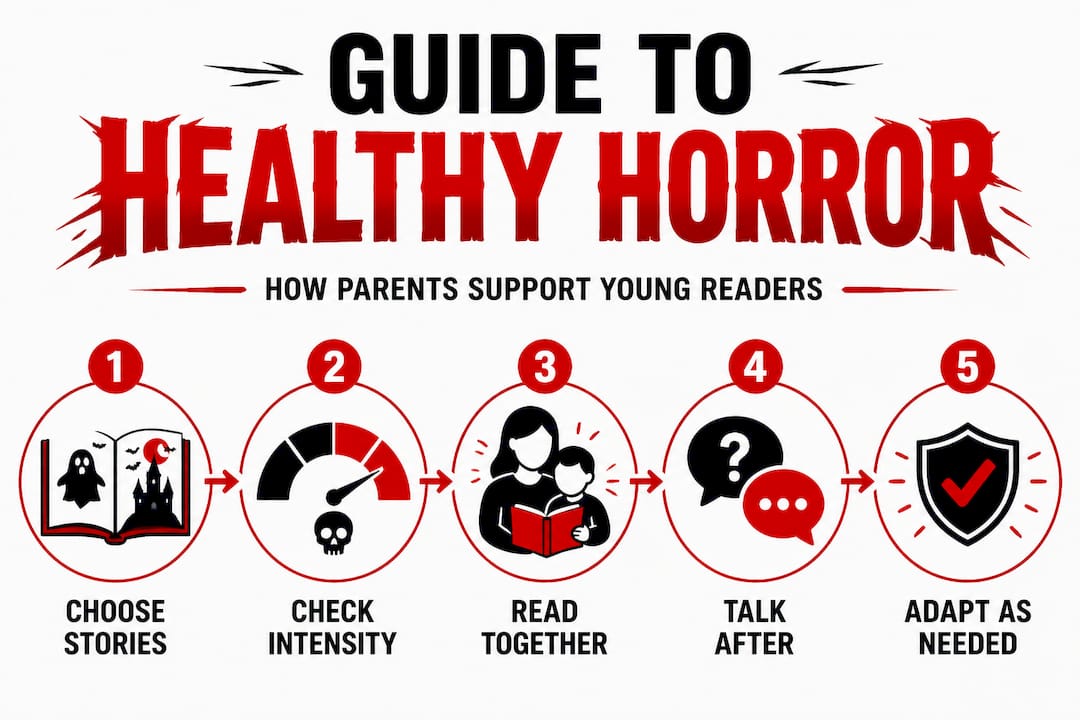
Five actionable steps for parents and educators:
- Start age-appropriate. For children under seven, choose stories with friendly monsters, silly spooks, or mystery without menace. For ages eight through twelve, graduated suspense and mild horror themes work well. Teens can handle more complex, morally ambiguous horror when guided properly.
- Use shared and group contexts. Whenever possible, introduce scary stories in the company of trusted adults or friends. The social safety net transforms the experience from potentially overwhelming to genuinely fun.
- Debrief after the story. Don't let a scary book or movie just end and move on. Ask your child: "What was the scariest part? What did the character do that was brave? How do you think they felt?" This processing step is where emotional learning actually cements.
- Balance scary and comforting stories. Vary the reading diet. A week that includes a genuinely spooky story should also include something warm, funny, or uplifting. This balance maintains the excitement of horror without tipping into anxiety.
- Watch for distress signals. Nightmares, avoidance of previously enjoyed activities, heightened fearfulness, or unusual clinginess after horror exposure are signals to dial back the intensity and check in with your child.
For educators, the educational value of scary stories is substantial. Spooky stories can be a gateway to discussions about death, courage, the unknown, and morality in ways that resonate with students far more than a lecture ever could. A well-chosen horror tale for a classroom read-aloud opens doors to vocabulary development, narrative analysis, and emotional literacy all at once.
Conversation is the most powerful tool you have. Children who are encouraged to talk about their fear responses, to name what they felt and why, develop a sophisticated emotional vocabulary that serves them throughout their lives. Horror, used well, is one of the richest triggers for those conversations.
Why thoughtful horror engagement matters more than ever
Here's what most guides won't tell you: the real risk for children isn't exposure to fear. It's missing safe, guided opportunities to practice facing it.
Think about the scary stories that shaped you as a child. Chances are you still remember them vividly. Not because they traumatized you, but because they mattered. They made your heart pound. They introduced you to the feeling of being on the edge and coming through okay. Those moments quietly taught you that you could handle more than you thought.
Most adults recall formative childhood horror moments for exactly this reason. These stories teach endurance, adaptability, and connection in ways that sanitized, perfectly safe content simply cannot. When we remove all friction from a child's emotional world, we don't protect them. We leave them underprepared for a world that will inevitably be difficult.
The modern challenge is that the horror landscape has changed dramatically. Digital platforms give children access to content that far exceeds what previous generations encountered. This is not an argument against horror. It's an argument for more deliberate, informed engagement with it. Parents and educators who understand how horror affects resilience are in a much stronger position to guide children through the landscape rather than simply hoping they don't encounter it.
What counts is attentiveness. Empathy. Shared experiences. Not blocking out fear entirely, but walking into it alongside your child and showing them that the way through is always forward. The families and classrooms that use horror well are not reckless. They are extraordinarily intentional. And their kids are developing emotional tools that will serve them for life.
Discover age-appropriate horror for curious young readers
You've seen the science and you have the practical framework. Now it's time to find the right stories.

If you're ready to put these tips into practice, explore a carefully curated selection of books designed for young readers and horror enthusiasts alike. Whether you're searching for a gentle spooky story for a six-year-old or a gripping thriller for a curious teen, the right book is out there. Browse the children's horror books collection for age-appropriate options that balance excitement with reassurance, or explore the broader horror collection for older readers who are ready to go deeper. Every title is selected with story quality and emotional resonance in mind, making it easier for you to choose with confidence and read together with joy.
Frequently asked questions
Why do kids seek out scary stories even if they get frightened?
Children are naturally curious and enjoy the thrill of "safe fear" because it helps them build emotional resilience in a controlled setting. The excitement of fear without real danger is genuinely pleasurable for developing minds.
Is it harmful if my child gets nightmares from horror stories?
Occasional nightmares are normal, but regular sleep disturbance or anxiety signals the horror content may be too intense for your child right now. Reducing the intensity and increasing comfort-focused stories usually helps quickly.
How can I tell if a scary story is age-appropriate?
Choose horror with mild suspense and positive endings, and review the content for intensity before sharing it with young kids. A story where the child character solves the mystery or overcomes the fear is usually a safer starting point than one where the threat remains unresolved.
Are there benefits to reading scary stories with my child?
Yes, shared scary experiences create strong family bonds and help children practice managing fear safely alongside trusted people. The conversation that follows is often just as valuable as the story itself.
What if my child never likes horror stories?
Some children are naturally more sensitive, and individual sensitivity varies widely across developmental stages and temperaments. It's important to respect their boundaries and focus on stories that make them feel curious and safe rather than overwhelmed.