
TL;DR:
- Age-appropriate horror can strengthen children's emotional skills and build resilience.
- Controlled fear in fiction provides a safe environment for emotional regulation development.
- Properly crafted scary stories can foster empathy and understanding of complex emotions.
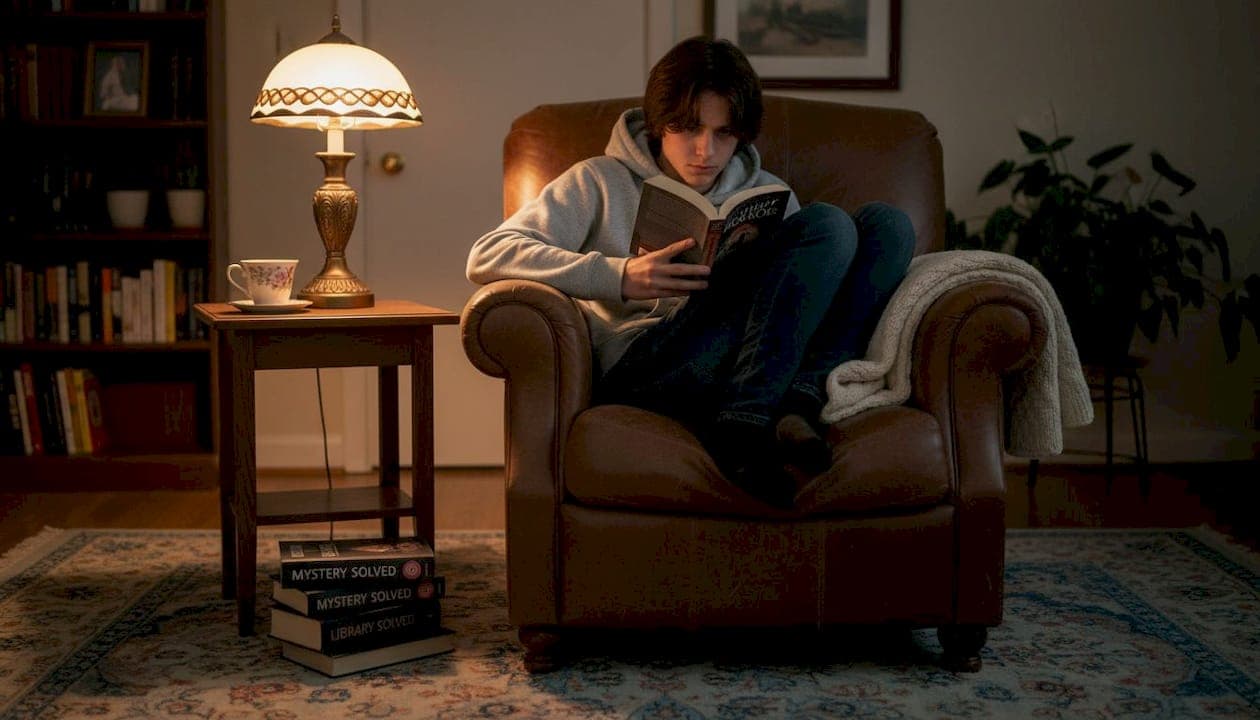
Most adults assume horror is the last thing a young reader needs. That instinct feels protective, but the evidence tells a different, more thrilling story. 93% of children enjoy recreational fear activities, including scary stories, and that enjoyment grows with age. Far from causing lasting harm, age-appropriate horror can sharpen emotional skills and build real resilience. This article breaks down the psychology behind scary stories, explores how horror shapes emotional development, and shows you exactly when fear in fiction becomes a powerful tool rather than a threat.
Table of Contents
- Why do people enjoy being scared?
- Developmental and emotional effects of horror
- Common themes and devices in horror for young readers
- Who benefits most from horror, and when is it risky?
- The overlooked truth: Why a little fear makes us stronger
- Explore horror and children's books with confidence
- Frequently asked questions
Key Takeaways
| Point | Details |
|---|---|
| Safe scares help growth | Well-chosen horror stories aid emotion regulation and build resilience for most children. |
| Not all fear is equal | Enjoyment and benefit depend on age, maturity, and how intense the horror is. |
| Humor eases anxiety | Modern children's horror uses humor and playful twists to transform scary themes into manageable ones. |
| Warning signs matter | Too much fear can cause nightmares or anxiety, so balance and adult guidance are essential. |
| Horror builds empathy | Fans of horror fiction often show greater empathy, curiosity, and emotional strength. |
Why do people enjoy being scared?
There's something almost electric about a story that makes your heart race. You know you're safe on the couch, yet your pulse quickens anyway. That tension between safety and simulated danger is exactly what makes horror so addictive, especially for young readers discovering their emotional range for the first time.
The science of scares reveals that the brain processes fictional threats differently from real ones. When you read a horror story, your amygdala (the brain's alarm system) fires up, releasing adrenaline and dopamine. But because you know it's fiction, your prefrontal cortex keeps the panic in check. The result? A rush of excitement without genuine danger. It's a controlled thrill.
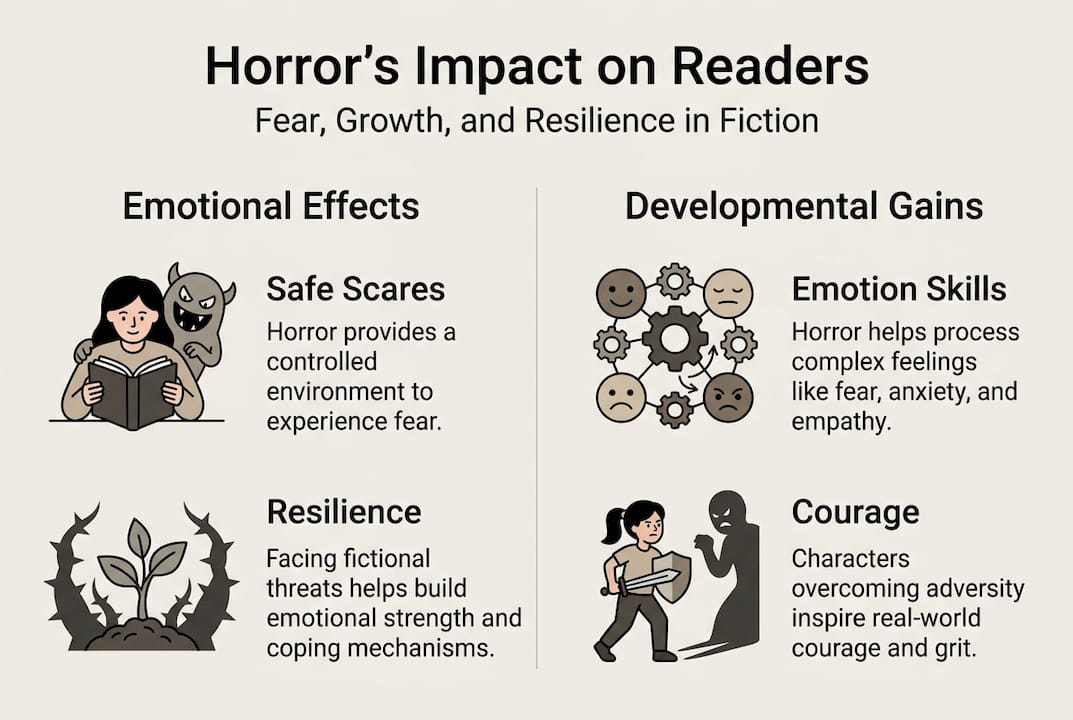
Research on the fear-pleasure paradox describes this as an inverted-U curve. Too little fear and a story feels boring. Too much and it becomes overwhelming. The sweet spot sits right in the middle, where suspense is high but the reader still feels in control. That sweet spot shifts with age and personality.
| Reader type | Fear tolerance | Preferred experience |
|---|---|---|
| Young children (4 to 7) | Low | Playful monsters, silly scares |
| Middle grade (8 to 12) | Moderate | Suspense, mystery, mild dread |
| Teens (13 and up) | Higher | Intense horror, psychological tension |
| Adult fans | Variable | Full-spectrum horror |
Not every reader responds the same way. Researchers identify three main horror personality types:
- Adrenaline junkies: Crave the physical rush of fear and seek out intense scares.
- White knucklers: Feel genuinely scared but push through, building courage with each read.
- Dark copers: Use horror as emotional processing, working through real anxieties in a fictional space.
Each type benefits differently, but all three share something important. They choose fear voluntarily. That choice is what separates recreational horror from real-world threat, and it's what makes why horror books matter such a rich conversation.
Pro Tip: If a young reader seems drawn to scary stories, don't redirect them. Ask what they love about it. Their answer will tell you a lot about how they process emotions.
Developmental and emotional effects of horror
Understanding why readers enjoy being scared, it's crucial to look at how exposure to horror actually shapes emotional and psychological development. The effects are more nuanced than most people expect.
Age-appropriate horror gives readers a rehearsal space for difficult emotions. A child who reads about a monster under the bed is practicing fear management in a low-stakes environment. Over time, that practice builds genuine emotional regulation skills. Emotion regulation and reduced anxiety risk are among the documented benefits when scary stories match the reader's developmental stage.
But the key phrase is "age-appropriate." When horror content exceeds a child's emotional capacity, the effects flip. Sleep disturbances and nightmares are common negative outcomes, along with behavioral changes and heightened anxiety. The story stops being a safe container and becomes an actual stressor.
| Age group | Potential benefits | Potential risks |
|---|---|---|
| 4 to 7 | Playful fear processing, imagination | Nightmares if content is too intense |
| 8 to 12 | Resilience, empathy, emotional vocabulary | Anxiety if themes mirror real trauma |
| 13 and up | Coping skills, identity exploration | Desensitization with extreme content |
Here's a practical framework for finding the right balance:
- Start mild. Introduce scary stories with humor and resolution. The monster should lose or become friendly.
- Watch the reaction after, not during. A child scared mid-story is normal. Persistent fear hours later is a signal to pause.
- Talk about it. Ask what felt scary and why. That conversation is where the real emotional growth happens.
- Increase intensity gradually. Move from picture books to middle-grade mysteries before jumping to full horror novels.
- Follow the child's lead. If they ask for more, that's a green light. If they avoid bedtime, that's a stop sign.
Scary stories and courage are more connected than most parents realize. The educational value of scary stories extends beyond thrills into genuine life skills. And when you look at how monsters in children's literature function, you start to see them as teachers in disguise.
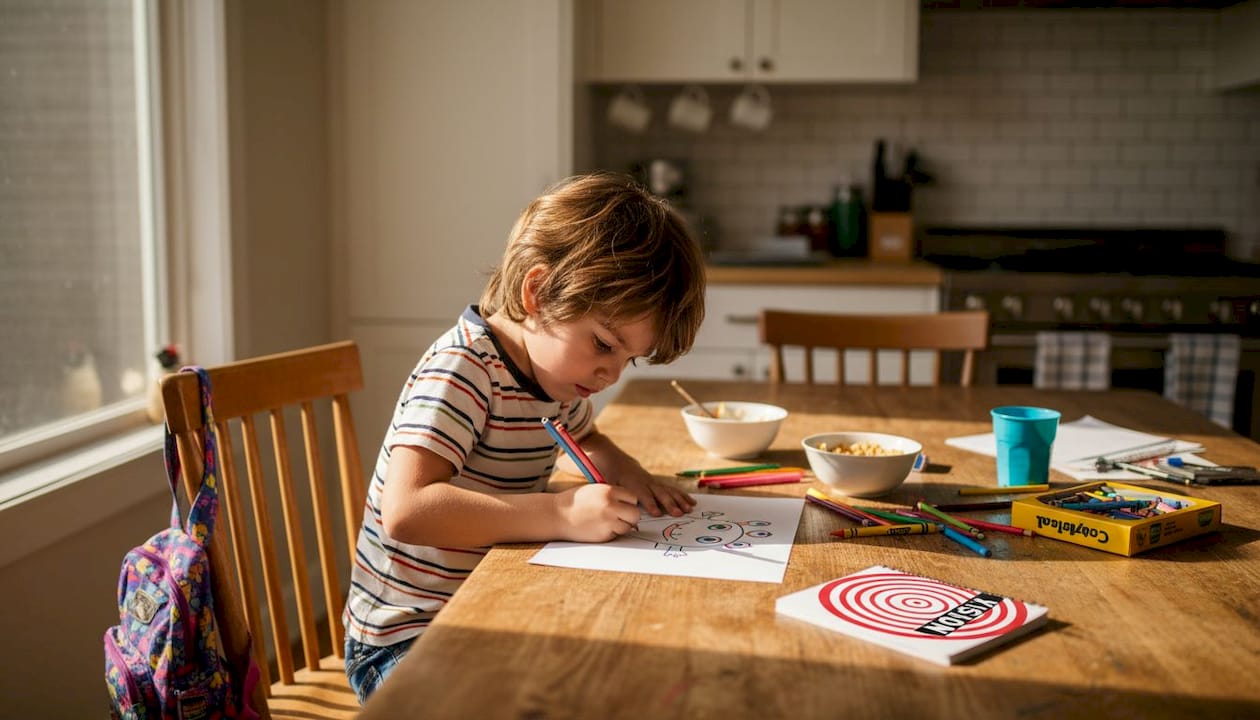
Pro Tip: A child who reads scary stories and then draws the monster, names it, or writes their own ending is actively processing fear. Encourage that creative response.
Common themes and devices in horror for young readers
Knowing the benefits and risks, let's explore exactly how horror stories are crafted to build both suspense and safety, especially for young readers. The best horror for children isn't just scary. It's carefully engineered.
Young adult horror leans on a set of well-worn tropes that work precisely because they mirror real anxieties. YA horror tropes like monsters, hauntings, betrayals, and the "Final Girl" archetype (the last survivor who outsmarts the threat) give readers a structured emotional journey. The fear is real, but the narrative shape provides safety. You know there will be a resolution.
Common narrative devices used in horror for young readers include:
- The monster as metaphor: The creature often represents something real, like grief, social rejection, or family dysfunction.
- The unreliable setting: A familiar place (school, home, neighborhood) becomes threatening, amplifying the sense of vulnerability.
- Humor as pressure valve: Comic moments break tension and signal to the reader that they're still in a safe story.
- The brave protagonist: A relatable character who is scared but acts anyway models courage for the reader.
- Resolution and restoration: Most horror for children ends with the threat defeated or understood, restoring emotional safety.
For younger readers, picture books use a different toolkit. Research on bedtime monster books shows that authors use positive pretense, humor, and visual gags to transform threatening creatures into playful ones. The monster under the bed turns out to be afraid of the dark too. That reversal is enormously reassuring.
"Horror for young readers works best when it gives fear a face, a name, and ultimately a weakness. The monster stops being abstract dread and becomes something the reader can outsmart." — Analysis of themes in scary stories
This is why genre-blending matters so much in children's horror. A story that mixes genuine unease with warmth and humor isn't watering down the genre. It's using the full toolkit to create an experience that's both thrilling and emotionally safe.
Who benefits most from horror, and when is it risky?
With a clear understanding of devices and themes, it's important to clarify which readers benefit the most from horror and what warning signs to watch for.
The data is striking. Horror fans show higher empathy and compassion than non-fans, driven largely by morbid curiosity (a genuine interest in dark or threatening subjects) and emotional processing. Far from being desensitized, regular horror readers often develop a richer emotional vocabulary because they practice feeling difficult emotions in a controlled setting.
Readers who tend to benefit most:
- Children with strong parental or guardian guidance around content choices
- Teens exploring identity and emotional complexity
- Readers with high morbid curiosity who are drawn to understanding dark themes
- Children who use storytelling and creative play to process emotions
But horror isn't universally beneficial. Edge cases matter. Vulnerable youth, including those with existing anxiety disorders, trauma histories, or sensory sensitivities, may find that even moderate horror triggers distress rather than growth. The horror fiction guide is a useful starting point for understanding content intensity before choosing a book.
Warning signs that horror exposure may be backfiring:
- Persistent nightmares lasting more than a few nights after reading
- Avoidance of previously safe spaces (bedroom, school, dark hallways)
- Increased clinginess or separation anxiety in younger children
- Refusal to discuss the story or visible distress when the topic comes up
- Changes in appetite, sleep patterns, or social withdrawal
If you notice these signs, the fix isn't to ban horror entirely. It's to step back to lighter material and rebuild the reader's sense of safety before trying again. The goal is always to stay in that productive sweet spot on the inverted-U curve.
The overlooked truth: Why a little fear makes us stronger
Most of the anxiety adults feel about children reading horror comes from a reasonable but ultimately misguided instinct: protect kids from discomfort at all costs. But that instinct, when applied to fiction, can actually work against emotional growth.
The evidence points clearly in one direction. Managed fear in fiction builds real-world resilience. The insight and impact of horror books go far beyond entertainment. When a child reads a scary story and comes out the other side feeling okay, they've just proven something to themselves. They can handle hard things.
What most parents and educators miss is that avoidance doesn't eliminate fear. It just leaves children without practice managing it. Horror, done right, is essentially emotional training. The discomfort is the point. It's a safe, low-stakes rehearsal for the inevitable moments when real life gets frightening.
The fear-pleasure paradox isn't a quirk. It's a feature. Fiction lets us feel the full weight of an emotion without the real-world consequences. That's not a loophole. That's literature doing exactly what it's supposed to do.
Explore horror and children's books with confidence
Now that you understand how fear works in fiction and why it matters, the next step is finding the right books. Not every scary story is created equal, and matching the right title to the right reader makes all the difference.

Mark Watson's horror book collection and children's book collection are built with exactly this balance in mind. Each title is crafted to sit in that productive sweet spot: genuinely thrilling, emotionally resonant, and age-aware. If you're looking for something with an edge, the creepypasta book selection delivers vivid, unsettling tension that older readers will love. Browse the collections and find the perfect read for every kind of horror fan.
Frequently asked questions
Can reading horror cause long-term anxiety in children?
Moderate, age-appropriate horror rarely causes long-term anxiety and often helps build resilience. Overwhelming or developmentally inappropriate content is where negative reactions, including sleep disturbances and behavioral changes, are more likely to appear.
What age is appropriate for horror stories?
Children as young as 4 to 5 can enjoy playful monster stories that use humor and resolution to manage fear. More intense horror is best introduced gradually for older kids and teens, always guided by the child's maturity and individual response to fear.
How do horror stories help emotional development?
Age-appropriate horror gives readers a rehearsal space for fear and anxiety, strengthening emotion regulation over time. 93% of children enjoy recreational fear activities, and that enjoyment correlates with better emotional coping skills.
Are children who read horror more empathetic?
Yes. Horror fans show higher empathy and compassion than non-fans, driven by morbid curiosity and the emotional processing that comes from engaging with dark themes in fiction.