
TL;DR:
- Proper children's book choices foster a lifelong love of reading and develop literacy skills.
- Diversity in genres and formats enhances engagement and builds broader vocabulary and critical thinking.
- Parental involvement and flexible reading routines are key to developing confident, motivated young readers.
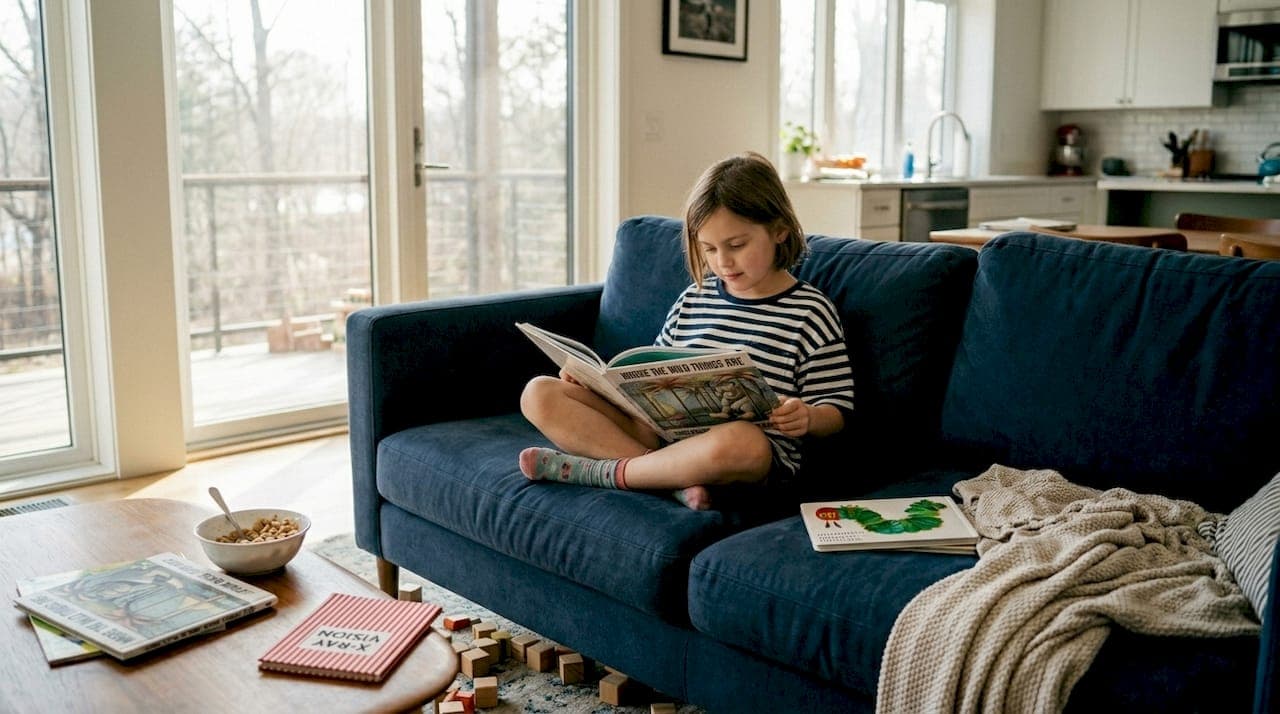
Screen time is winning. Daily reading for pleasure among American children has dropped roughly 3% every year from 2003 to 2023, and that trend should make every parent sit up and pay attention. The books you choose for your child are not just entertainment. They are tools. The right format at the right age can spark a lifelong love of reading, while the wrong pick can make a reluctant reader even harder to reach. This guide breaks down the major types of children's books by genre, format, and age readiness, so you can match the perfect book to your child's needs right now.
Table of Contents
- What to consider when choosing book types
- Picture books: Capturing imagination through visuals
- Storybooks, early readers, and chapter books: Supporting skills growth
- Other genres: Nonfiction, poetry, graphic novels, and more
- An expert's take: Why choice and diversity matter most
- Find the perfect next book for your child
- Frequently asked questions
Key Takeaways
| Point | Details |
|---|---|
| Match book types to age | Choose picture books for early readers and progress to chapters as attention grows. |
| Mix genres for engagement | Rotate between fiction, nonfiction, poetry, and graphic novels to maintain enthusiasm. |
| Prioritize daily reading routines | Aim for 15-30 minutes of shared or independent reading every day to support literacy. |
| Let children help choose | Involving children in picking genres and formats boosts motivation and ownership. |
What to consider when choosing book types
Now that you understand why choosing the right book matters, let's break down what to consider as you pick a type.
Every child is different. A seven-year-old who devours graphic novels might ignore a chapter book entirely, and that is perfectly fine. Your job as a parent is not to force a format but to find the one that clicks. Start by thinking about three things: your child's age, their current interests, and where they are with reading skills.
Age gives you a starting range, but interests are the real engine. A child who loves dinosaurs will push through a harder nonfiction book because the topic pulls them forward. Reading skill tells you whether your child needs heavy illustration support or can handle longer stretches of text.
Here are the key factors to weigh when selecting a book type:
- Age and developmental stage: Younger children need more visuals and shorter sentences. Older children can handle complex plots and abstract ideas.
- Current reading level: Match the text complexity to where your child is today, not where you want them to be.
- Personal interests: Animals, space, mystery, sports. Follow the passion first, then expand.
- Cultural diversity: Expose your child to stories from different backgrounds. It builds empathy and broadens their world.
- Balance of visuals and text: As attention spans grow, gradually shift toward more text-heavy formats to build stamina.
Explorng children's book themes before you shop can also help you zero in on what will resonate most with your child's current phase.
Reading routine matters just as much as book selection. Experts recommend 15 to 30 minutes of daily reading, with kindergarten through second grade children reading around 10 to 14 pages per session. Even short daily sessions add up fast.
Pro Tip: Let your child pick the book at least half the time. Ownership over the choice creates genuine motivation to actually read it. Browse a curated children's book collection together and let them point to what excites them.
Picture books: Capturing imagination through visuals
With these criteria in mind, let's explore picture books, the classic starting point for most young readers.
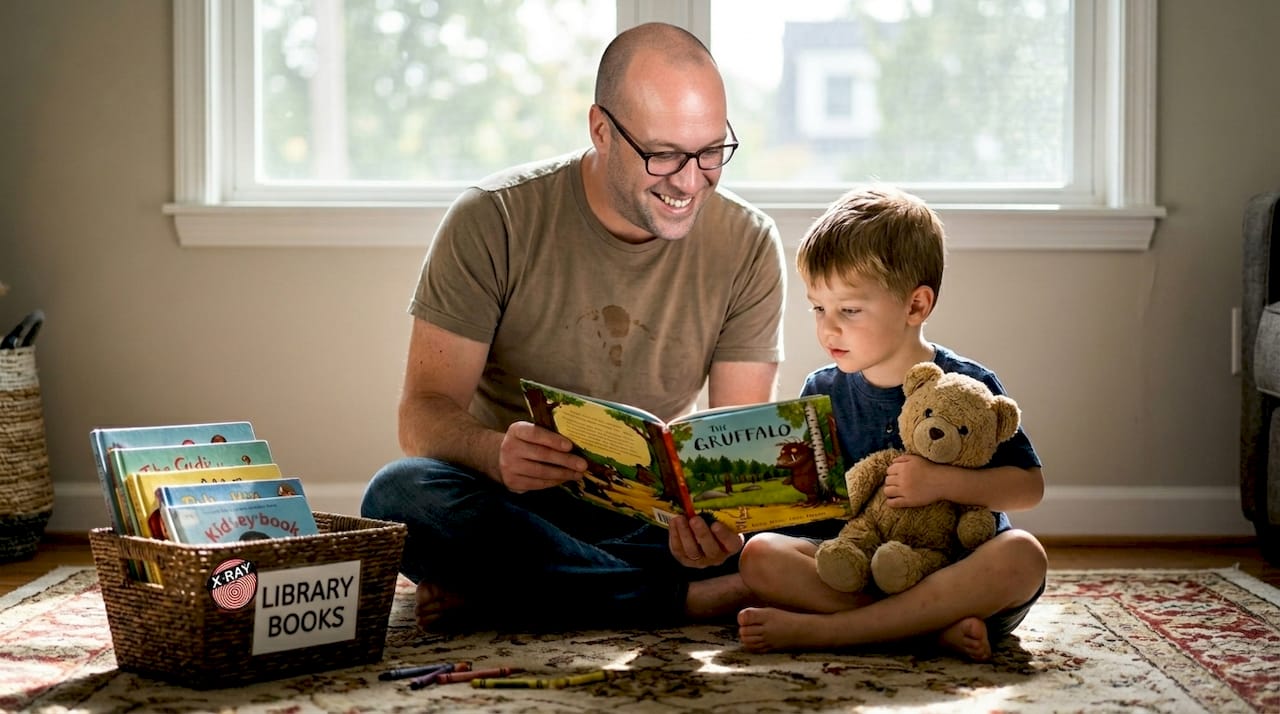
A picture book is defined by one thing above all else: the story is told as much through images as through words. The illustrations are not decoration. They carry the narrative. A child who cannot yet read independently can still follow the plot, feel the emotion, and understand the story just by looking at the pictures.
Standard picture books run about 32 pages with 300 to 600 words, making them perfectly sized for the attention span of children ages 3 to 7. That short, vivid format is no accident. It is engineered for early brain development.
Here is what makes picture books so powerful for young readers:
- Vivid, full-page illustrations that hold attention and spark imagination
- Simple, rhythmic storylines that are easy to follow and predict
- Repetition and rhyme that build phonemic awareness (the ability to hear and manipulate sounds in words)
- Read-aloud rhythm that makes shared reading sessions feel like a performance
- Emotional storytelling through facial expressions and color, not just words
Picture books are also a bonding tool. Reading aloud together creates a shared experience that children associate with warmth and safety. That emotional connection is part of what makes reading feel rewarding later in life.
"The best picture books are ones where the pictures say something the words don't, and the words say something the pictures don't." This idea captures why illustration and text must work as a team, not in parallel.
Exploring different picture book formats can help you understand which visual styles resonate most with your child. And if you have ever wondered what goes into making those striking images, the craft behind children's book illustration is fascinating in its own right.
Pro Tip: Do not retire picture books the moment your child starts school. Reading picture books aloud to early grade-schoolers still boosts vocabulary and comprehension, even when they can read independently.
Storybooks, early readers, and chapter books: Supporting skills growth
Once your child enjoys picture books, the journey continues into more text-rich books designed for emerging to independent readers.
These three formats form a natural ladder. Each one builds on the last, adding more text, more complexity, and more demand on the reader's growing skills.
- Storybooks: Longer and more complex than picture books, storybooks still use illustrations to support the text. They bridge the gap between pure picture books and fully text-driven reading. Great for ages 4 to 7.
- Early readers (leveled readers): These use short sentences, controlled vocabulary, and simple layouts. They are specifically designed for children learning to read on their own. The text does not overwhelm, but it does challenge just enough. Ideal for ages 5 to 8.
- Chapter books: Minimal illustrations, longer narratives, and real plot development. Chapter books ask children to hold a story in their head across multiple reading sessions. This is a big cognitive leap. Best for ages 6 to 10 and beyond.
The shift to chapter books is a milestone worth celebrating. It signals that your child can track characters, remember subplots, and feel genuine suspense about what happens next. That emotional investment is the whole point.
Daily home reading routines become even more critical as children advance to these text-rich formats. Without consistent practice, the skills needed to enjoy chapter books do not develop fast enough to keep pace with school demands.
For practical strategies on supporting this transition, check out these early reader book tips that parents have found genuinely useful. If your child is ready to leap into chapter territory, understanding what goes into writing chapter books can help you spot what makes a great one. And for a broader look at what makes stories stick, captivating children's books share the craft secrets behind books kids beg to reread.
Pro Tip: Rereading a favorite story is not a sign of stagnation. It builds reading fluency, boosts confidence, and deepens comprehension every single time.
Other genres: Nonfiction, poetry, graphic novels, and more
After mastering foundational formats, expanding into a variety of genres deepens literacy and engagement.
Genre variety is not just a nice idea. Research links exposure to a wide range of genres directly to stronger, more sustained reading habits. When children only read one type of book, their engagement eventually plateaus. New genres reignite curiosity.
Here are the key genres worth adding to your child's reading life:
- Nonfiction: Science books, biographies, and how-things-work titles feed natural curiosity. Children who love facts often thrive with nonfiction before they warm up to fiction.
- Poetry: Short, musical, and emotionally rich. Poetry sharpens language sensitivity and makes children more aware of how words sound and feel.
- Graphic novels and manga: Do not underestimate these. The visual storytelling demands real reading comprehension and sequencing skills. Many reluctant readers find their way back to books through graphic novels.
- Spooky and horror stories: Age-appropriate scary stories build emotional resilience and let children safely explore fear. They are also wildly engaging. For inspiring illustrated books that blend spooky atmosphere with vivid art, there are some brilliant options out there.
- Folklore and fairy tales: These build cultural literacy and introduce archetypal story structures that children will recognize throughout their reading lives.
Here is a quick comparison to help you match genres to your child's current stage:
| Genre | Best age range | Key skill developed | Engagement level |
|---|---|---|---|
| Picture books | 3 to 7 | Vocabulary, listening | Very high |
| Nonfiction | 5 and up | Critical thinking, facts | High |
| Poetry | 4 and up | Language sensitivity | Medium to high |
| Graphic novels | 6 and up | Visual literacy, sequencing | Very high |
| Spooky stories | 6 and up | Emotional resilience, plot | Very high |
| Chapter books | 6 to 10+ | Stamina, comprehension | High |
For parents curious about easing children into spooky territory, this guide to spooky children's stories is a great starting point. And if you want to understand why illustrations in these genres hit so hard emotionally, the storytelling illustration power behind children's horror is genuinely fascinating.
An expert's take: Why choice and diversity matter most
After laying out all the major book types, let's zoom out to what matters most in practice.
Here is the honest truth: there is no single best type of children's book. Anyone who tells you otherwise is selling a formula, not a child. The research is clear that narrow book exposure widens reading gaps, especially for children from marginalized groups who rarely see their own lives reflected in the books they are handed.
The most powerful thing you can do as a parent is stay flexible. A child who hates fiction might fall in love with nonfiction about volcanoes. A child who struggles with chapter books might find their confidence through graphic novels first. These are not detours. They are valid paths.
Parent involvement is the real variable here. Daily reading habits, genre exploration, and letting children make choices all matter far more than picking the "correct" format. For more practical guidance on supporting young readers at every stage, these early reader book tips offer real, actionable advice.
Diversity of reading experience is not a bonus. It is the foundation.
Find the perfect next book for your child
Ready to put these insights into practice?
At Mark Watson Books, you will find a hand-picked range of children's books organized by age, theme, and reading level, so you can match the right book to the right moment without the guesswork. Whether your child is just discovering picture books or ready to tackle their first spooky chapter book, there is something here that will make their eyes light up.

Browse the full children's book collection to find age-appropriate picks across every genre. If your child is ready for a little thrill, the children's horror books collection offers vivid, age-appropriate stories that build excitement and keep pages turning. Don't wait. The right book is one click away.
Frequently asked questions
Which type of children's book is best for a 5-year-old beginner reader?
For 5-year-olds just starting out, picture books with 300 to 600 words and plentiful illustrations are ideal for engagement and comprehension. The visual support helps bridge the gap between listening and independent reading.
How much should my child read each day?
Aim for 15 to 30 minutes daily. For kindergarten through second grade, that works out to roughly 10 to 14 pages per session, which builds stamina without overwhelming young readers.
Why is trying different children's book genres important?
Genre diversity is linked to stronger lifelong reading habits. Exploring multiple genres also boosts vocabulary, critical thinking, and keeps children genuinely eager to pick up the next book.
What are popular chapter book themes for children in 2026?
Animal heroes, friendship, magic, and mystery remain the most popular themes in children's chapter books right now. These themes tap into universal emotions that resonate across age groups.
Are horror or spooky stories appropriate for young readers?
Yes, age-appropriate spooky stories can spark imagination and help children confront fears in a safe, controlled way. They are also among the most engaging formats for reluctant readers who need a strong hook to stay interested.