

Choosing the right books for your early reader can feel overwhelming. With thousands of titles aimed at young children, how do you know which ones will build skills without causing frustration? The key lies in understanding your child's unique reading level and matching books to their developmental stage. This guide walks you through research-backed criteria for evaluating children's books, explains the role of decodable texts and beginner chapter books, and shares proven techniques to promote reading confidence and joy. You'll learn how to assess readability, select engaging content, and create positive reading experiences that foster lifelong learning.
Table of Contents
- How To Evaluate Children's Books For Early Readers
- Essential Features Of Beginner Chapter Books And Decodable Texts
- Proven Reading Promotion Techniques To Build Love And Skills
- Comparing Book Types And Selecting The Right Fit
- Discover Excellent Children's Books At Mark Watson Books
- Frequently Asked Questions
Key takeaways
| Point | Details |
|---|---|
| Match books to reading level | Choose books at your child's independent or instructional level to build confidence without frustration. |
| Use decodable texts for phonics | Decodable books reinforce letter-sound patterns and improve early decoding skills effectively. |
| Establish consistent routines | Daily reading sessions, even short ones, build habits and strengthen fluency over time. |
| Combine book types strategically | Mix decodable books, beginner chapters, and read-alouds to develop both phonics and vocabulary. |
| Let interests guide selection | Children engage more deeply with topics and characters they find personally meaningful. |
How to evaluate children's books for early readers
Every child develops reading skills at their own pace. Children's reading readiness varies significantly, with most ready for chapter books between ages 6 and 8, but some kindergarteners may be ready while some third graders may still prefer shorter books. This wide range means you need a flexible framework for assessing book difficulty rather than relying solely on age recommendations.
Start by understanding three distinct reading levels: independent, instructional, and frustration. At the independent level, children read with 95 to 100 percent accuracy and comprehend the story easily. Instructional level books challenge readers slightly, with 90 to 94 percent accuracy, making them ideal for guided reading sessions. Frustration level texts, with below 90 percent accuracy, overwhelm children and damage confidence. Most independent reading should happen at the independent level, with occasional instructional level books for skill building.
When evaluating a specific book, examine these concrete features. Text length matters: beginners thrive with books containing one to three sentences per page, gradually building to full paragraphs. Print size should be large and clear, with generous spacing between words and lines. Vocabulary should feel mostly familiar, introducing only a few new words per page that children can decode using phonics skills they've already learned. Story structure should be straightforward, with clear beginnings, middles, and ends.
Avoid books with dense text blocks, complex sentence structures, or vocabulary far beyond your child's current knowledge. Long chapters without breaks can intimidate new readers. Similarly, stories with multiple subplots or abstract themes often confuse children still mastering basic comprehension. Trust your child's interest level and pace. If they lose focus quickly or seem anxious, the book may be too challenging.
Pro Tip: Visit your library or browse the children's books collection and let your child sample several books before committing. Have them read a page aloud. If they stumble over more than one or two words, try an easier option.
Essential features of beginner chapter books and decodable texts
Beginner chapter books serve as a bridge between picture books and longer novels. The best beginner chapter books have predictable story structures, familiar topics, and characters children can relate to easily. These books typically feature short chapters of four to five pages maximum, allowing children to experience the satisfaction of completing a chapter in one sitting. Larger print and occasional illustrations provide visual breaks and support comprehension.
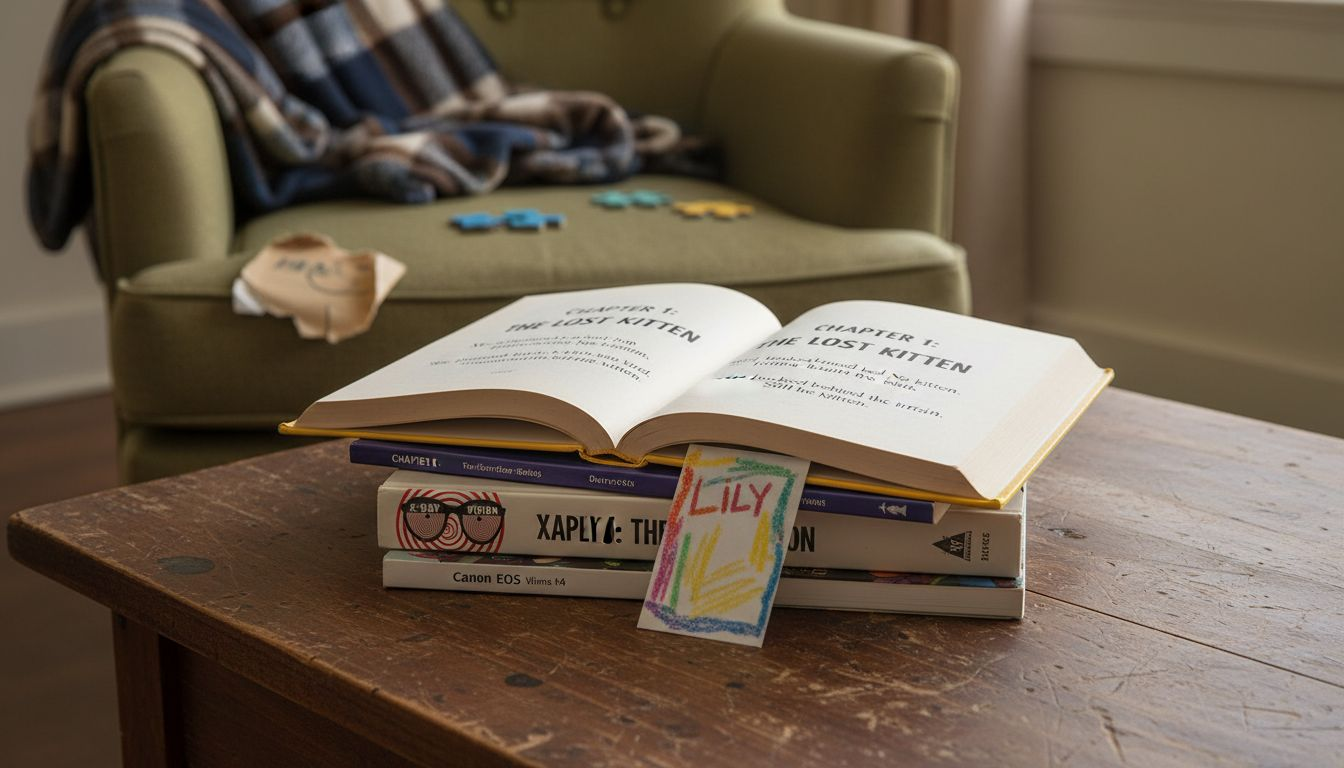
Relatable characters matter enormously at this stage. Children connect with protagonists facing age-appropriate challenges like making friends, starting school, or solving simple mysteries. Familiar settings, whether home, school, or neighborhood, help readers visualize scenes without cognitive overload. Predictable story arcs give children confidence in following plot development and anticipating outcomes.
Decodable books play a different but equally vital role. Decodable books significantly improve early reading skills by allowing children to practice letter-sound patterns in real text. These books carefully control vocabulary to match phonics patterns children have been taught, ensuring they can decode most words independently. This builds both skill and confidence as children see their phonics knowledge working in actual reading contexts.
Key advantages of decodable texts include:
- Systematic phonics practice with controlled vocabulary matching taught patterns
- Improved fluency through successful decoding experiences
- Confidence building as children read entire books independently
- Direct application of phonics instruction to meaningful reading
Pro Tip: Look for series books like The Shark in the Park that feature recurring characters and settings. Familiarity reduces cognitive load, letting children focus on decoding and comprehension rather than constantly processing new information.
Decodable and read-aloud books complement each other beautifully. While decodable texts reinforce phonics and decoding, read-alouds expose children to richer vocabulary and more complex sentence structures than they can yet read independently. This combination supports both technical reading skills and language development.
Proven reading promotion techniques to build love and skills
Creating positive reading experiences requires more than just selecting good books. You need intentional strategies that build skills while keeping reading enjoyable. Start with consistent routines. Set aside dedicated reading time each day, even if only 10 to 15 minutes. Consistency matters more than duration for building habits and neural pathways.
During reading sessions, use finger tracking to help children follow text and connect spoken words with written ones. Encourage sounding out unfamiliar words rather than guessing from pictures or context alone. This builds genuine decoding ability rather than relying on visual cues that won't help with new texts. When children struggle with a word, give them time to work through it before offering help.
Rereading favorite books strengthens fluency and comprehension. Children gain confidence reading familiar texts and often notice new details on subsequent readings. Ask simple comprehension questions during and after reading: "What do you think will happen next?" or "Why did the character do that?" These questions develop critical thinking without turning reading into a test.
Explicit and direct phonics instruction around 20 to 30 minutes daily is crucial for reading success. Balance this structured phonics time with enjoyable reading experiences. Children need both systematic skill instruction and opportunities to apply those skills in engaging contexts. The goal is building competence and love for reading simultaneously.
Research shows powerful benefits beyond basic literacy. A recent study found that consistent bedtime reading enhances empathy and creativity in young children, particularly when parents pause to discuss story elements and characters' feelings. These conversations deepen comprehension while building emotional intelligence.
To promote fluency and engagement effectively:
- Model fluent reading by reading aloud with expression and appropriate pacing
- Practice repeated readings of favorite passages or books
- Create a cozy, distraction-free reading environment
- Celebrate progress and effort rather than perfection
- Connect books to your child's interests and experiences
- Visit libraries or browse the children's books collection regularly to maintain fresh options
Pro Tip: Keep reading sessions short and positive. Stop before your child loses interest or becomes frustrated. You want reading associated with enjoyment, not struggle or obligation.
Comparing book types and selecting the right fit
Different book types serve distinct purposes in reading development. Understanding these differences helps you build a balanced reading diet that develops multiple skills simultaneously. The table below compares three essential book types for early readers.
| Book Type | Primary Purpose | Key Features | Best Use | Main Benefits |
|---|---|---|---|---|
| Decodable Books | Phonics practice and decoding skill development | Controlled vocabulary matching taught phonics patterns, simple plots | Independent reading during phonics instruction phase | Builds decoding confidence and applies phonics systematically |
| Beginner Chapter Books | Reader independence and sustained reading | Short chapters, familiar topics, relatable characters, some illustrations | Independent reading once basic decoding is established | Develops stamina, comprehension, and reading identity |
| Read-Alouds | Vocabulary and language exposure | Rich language, complex plots, advanced vocabulary | Parent-child shared reading time | Expands vocabulary and introduces complex story structures |
Decodable books reinforce phonics for beginning readers, while series books support new readers through familiarity. The key difference lies in focus: decodable books prioritize decoding skill development, beginner chapters emphasize reader independence and sustained engagement, and read-alouds build vocabulary and language complexity beyond what children can yet decode independently.
When selecting books, consider these factors:
- Your child's current decoding ability and phonics knowledge
- Their interests, favorite topics, and character preferences
- Motivation level and attitude toward reading
- Specific goals, whether building fluency, expanding vocabulary, or developing comprehension
Combining multiple book types creates the most effective learning environment. Use decodable books for phonics practice and skill building. Introduce beginner chapter books as decoding becomes more automatic. Continue read-alouds throughout to expose children to language and ideas beyond their current reading level. This multi-pronged approach develops well-rounded readers.
Transition between book types based on observed progress rather than rigid timelines. When your child reads decodable books fluently with strong comprehension, introduce beginner chapter books. When they handle short chapters comfortably, gradually increase chapter length and complexity. Always keep some easier books available for confidence building and pure enjoyment.
Discover excellent children's books at Mark Watson Books
Now that you understand how to evaluate and select children's books effectively, you need access to quality options that match these criteria. Mark Watson Books offers a carefully curated children's books collection designed specifically for early readers. You'll find beginner chapter books with the predictable structures, relatable characters, and appropriate text features discussed throughout this guide.
The collection includes engaging titles like The Shark in the Park, which combines adventure with accessible language perfect for newly independent readers. Each book is selected with attention to the developmental needs of children building reading confidence and skills.

Browse the collection to find books matching your child's current reading level, interests, and developmental stage. Whether you need decodable texts for phonics practice or beginner chapter books for independent reading, you'll discover options aligned with expert recommendations. Visit Mark Watson Books today to explore titles that will support your child's reading journey.
Frequently asked questions
What age is best for starting chapter books?
Most children are ready for chapter books between ages 6 and 8, but readiness varies significantly based on individual development. Some advanced kindergarteners handle simple chapter books, while some third graders still benefit from shorter texts. Focus on your child's actual reading level and interest rather than age alone.
How do decodable books help early readers?
Decodable books allow children from kindergarten through second grade to practice specific phonics patterns in meaningful reading contexts. By controlling vocabulary to match taught letter-sound relationships, these books ensure children can decode most words independently, building both skill and confidence through successful reading experiences.
Should I let my child guess at words or sound them out?
Encourage children to sound out words using phonics skills rather than guessing from pictures or context. While guessing may seem faster initially, it prevents development of genuine decoding ability. Children who learn to decode systematically become stronger, more independent readers who can tackle unfamiliar texts confidently.
How long should reading sessions last?
Keep reading sessions short and enjoyable, typically 10 to 20 minutes for early readers. Quality matters more than quantity. Stop before your child becomes frustrated or loses interest. Multiple short sessions throughout the day often work better than one long session, building positive associations with reading.
Why are series books beneficial for new readers?
Series books provide familiar characters, settings, and story structures that reduce cognitive load. When children already know the protagonist and typical plot patterns, they can focus mental energy on decoding and comprehension rather than constantly processing new information. This familiarity builds confidence and reading stamina effectively.
Recommended
- Children's Books | Mark Watson Books
- Santa Claus and YOU!: A Heartwarming Christmas Rhyming Picture Book For Children (Mark Watson Children’s Books) | Mark Watson Books
- Crybaby Book Reviews: What Readers Are Saying About the Novel | Mark Watson Books
- Milo & Ze: A Bull Terrier Puppy Adventure (Mark Watson Children’s Books Book 2) | Mark Watson Books
- How to Teach Young Learners: Effective TEFL Strategies | TEFL Institute
- First day at nursery tips: ease your child's transition