
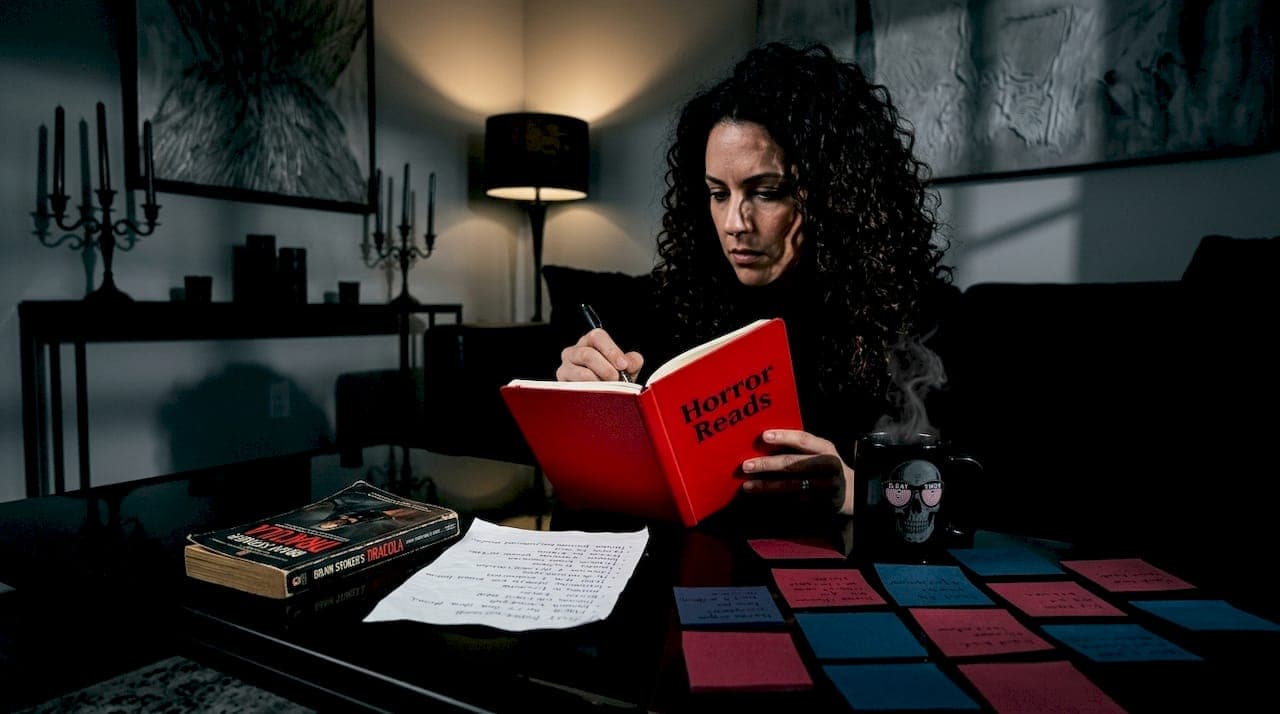
TL;DR:
- A structured horror book checklist helps readers cut through overwhelming options, focus on personal preferences, and build a satisfying reading journey. It encourages selecting a mix of classics and modern titles across subgenres while tracking reactions and maintaining flexibility for discovery. Ultimately, adaptable lists foster ongoing curiosity and surprise, enriching the horror reading experience.
The horror genre has never been bigger, or more bewildering. Thousands of spine-tingling titles compete for your attention, from gothic Victorian masterpieces to digital-age Creepypasta collections, and choosing where to start can feel like wandering through a haunted house with no map. That's exactly why a structured horror book checklist changes everything. It cuts through the noise, sharpens your focus, and transforms random browsing into a rewarding reading adventure. This guide gives you the criteria, the titles, the comparison tools, and the practical tips you need to build the perfect list.
Table of Contents
- How to build your personal horror book checklist
- Essential horror books to include: Classics and modern favorites
- Comparing subgenres: Which type of horror book fits you?
- Pro tips for getting the most out of your horror reading
- Sample horror book checklist template
- Why most horror book checklists fail (and how to make yours succeed)
- Find your next horror read at Mark Watson Books
- Frequently asked questions
Key Takeaways
| Point | Details |
|---|---|
| Personalize your list | Tailor your horror reading checklist to your favorite subgenres, tropes, and comfort level. |
| Blend timeless and new | Mix classics with recent releases to get the full spectrum of what the horror genre offers. |
| Use comparison tools | Side-by-side tables help you quickly spot subgenres or authors you might otherwise overlook. |
| Maximize your experience | Annotate and discuss your reads for deeper enjoyment and understanding. |
| Keep things flexible | Update your checklist regularly and allow room for spontaneous picks based on recommendations or mood. |
How to build your personal horror book checklist
Now that you know the value of a checklist, let's break down how to build one tailored to your tastes.
Building a horror checklist isn't just about writing down titles you've heard of. It's a deliberate process that reflects what genuinely terrifies and thrills you. Start with intention, and you'll finish every book feeling deeply satisfied.
Here's a step-by-step approach to get you started:
-
Identify your subgenre preferences. Do atmospheric gothic corridors send chills down your spine, or do you prefer the raw psychological dread of an unreliable narrator? Knowing your preference narrows your search dramatically. Check out this guide to horror genres to get a full picture of what's available.
-
Mix classics with modern hits. A checklist that only features modern bestsellers misses the rich foundation of the genre. Classic horror books are foundational for any genre fan, and reading them alongside newer titles reveals how horror has evolved.
-
Consider your audience. Are you building a list just for yourself, or sharing it with a younger sibling or your kids? Age-appropriateness matters. Some titles that seem tame have genuinely disturbing content tucked inside.
-
Vary your themes. Don't load your checklist with five consecutive haunted house novels. Rotate between monsters, ghosts, psychological tension, survival horror, and folklore-based scares. Variety keeps the chills fresh.
-
Track your reactions. Leave room to jot down how each book made you feel. Did it unsettle you for days? Did it underwhelm you? These notes become invaluable when you start recommending books to friends.
-
Set a realistic pace. Committing to two horror books a month is far more sustainable than an overly ambitious list that leads to burnout. Consistency beats intensity every time.
Pro Tip: Start with two or three curated lists from trusted sources as your foundation. Then branch out organically based on authors or themes you loved. This prevents analysis paralysis and keeps your reading momentum strong.
Essential horror books to include: Classics and modern favorites
With your criteria in place, it's time to fill your list with standout horror books from past and present.
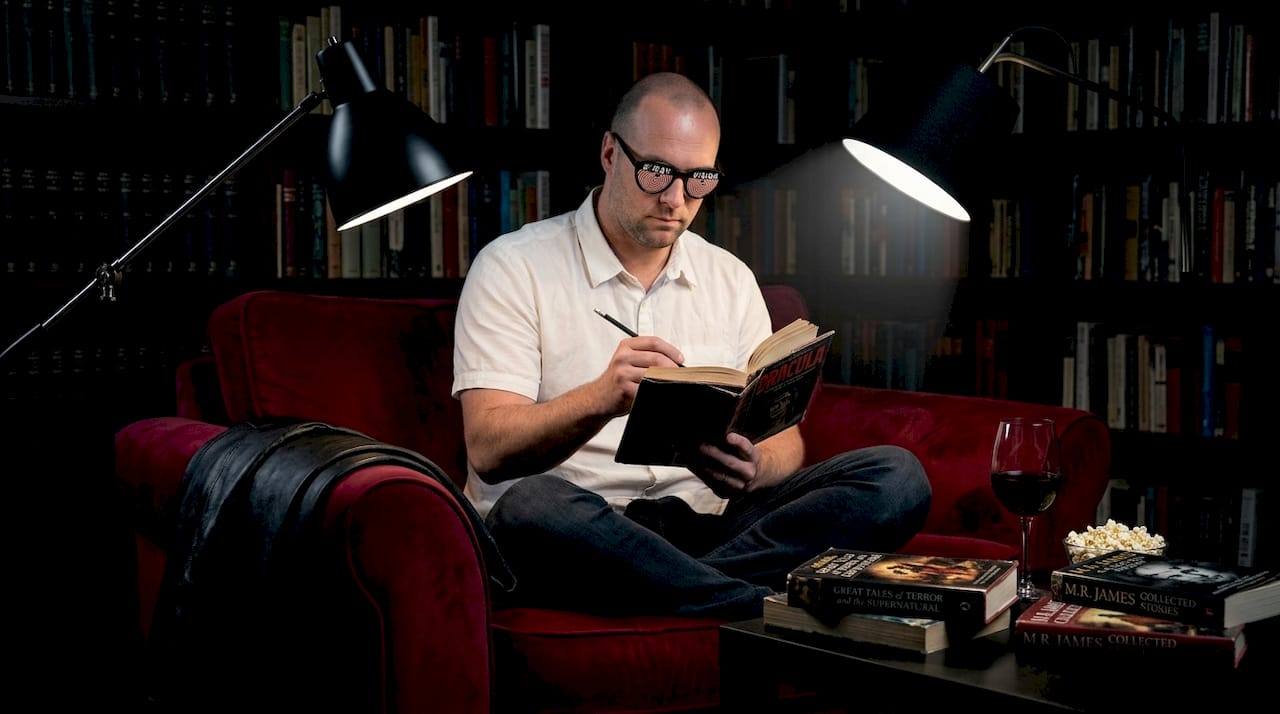
Great horror checklists are built on variety. You need the bones of the genre alongside its freshest flesh. Here are some essential categories and titles to consider:
Classic horror anchors:
- Dracula by Bram Stoker. The blueprint for vampire fiction. Told through letters and diary entries, it builds unsettling tension with surprising patience.
- Frankenstein by Mary Shelley. More philosophical than you might expect, and still deeply disturbing. Classic titles like Dracula and Frankenstein establish key genre conventions that echo through every horror novel written since.
- The Turn of the Screw by Henry James. A ghost story that refuses to confirm whether the ghosts are real, which makes it twice as terrifying.
- Shirley Jackson's The Haunting of Hill House. Atmospheric, psychological, and genuinely strange, this is one of the most studied horror novels ever written.
Modern must-reads:
- Bird Box by Josh Malerman. A creature horror that weaponizes the simple act of opening your eyes. Relentlessly paced.
- Mexican Gothic by Silvia Moreno-Garcia. A lush, disturbing blend of gothic atmosphere and social horror set in 1950s Mexico.
- House of Leaves by Mark Z. Danielewski. Structurally experimental and deeply disorienting, this one earns its reputation. The Haunting of Hill House and House of Leaves are must-reads for modern fans who want their comfort zones genuinely challenged.
- The Silent Patient by Alex Michaelides. For fans who love psychological horror threaded through a thriller structure.
Reader note: Don't skip the anthologies. Short story collections from authors like Stephen King (Night Shift), Shirley Jackson, and newer voices offer a perfect sampler of different horror styles before you commit to a full novel.
Also consider exploring horror for children if you're building a family-friendly reading list. There are genuinely spooky stories that work beautifully for young readers without crossing into nightmare-inducing territory. The best adult horror books curated list offers 27 picks that span psychological, supernatural, and creature horror, making it a solid anchor for any serious checklist.
Comparing subgenres: Which type of horror book fits you?
Once you've picked a few must-reads, compare the unique vibes different horror subgenres offer to deepen your journey.
Each subgenre offers distinct experiences, from suspenseful gothic tales to fast-paced supernatural thrillers. Use this table as a quick reference when filling your checklist with variety. Visit the full horror genre guide for deeper dives into each category.
| Subgenre | Core mood | Signature themes | Starter title | Key authors |
|---|---|---|---|---|
| Gothic horror | Brooding, atmospheric | Decay, family secrets, cursed places | Wuthering Heights | Poe, Shelley, du Maurier |
| Supernatural horror | Eerie, suspenseful | Ghosts, demons, the unexplained | The Haunting of Hill House | Shirley Jackson, Peter Straub |
| Psychological horror | Tense, claustrophobic | Unreliable minds, paranoia, identity | Gone Girl | Flynn, King, Tremblay |
| Creature horror | Visceral, fast-paced | Monsters, survival, nature vs. human | Bird Box | Malerman, Herbert, Barker |
| Cosmic horror | Vast, unsettling | Insignificance, unknowable forces | The Call of Cthulhu | Lovecraft, Ligotti, Barron |
| Slasher/thriller horror | Urgent, adrenaline | Pursuit, violence, survival | American Psycho | Ellis, Ketchum |
Notice how different these moods feel. Gothic horror wraps you in velvet darkness and asks you to think. Creature horror grabs you by the collar and runs. Knowing which mood you crave right now is the key to choosing the right book at the right time. Many fans of horror movie connections find that supernatural and creature horror translate most powerfully to screen, making them great entry points for readers who come from a film background.
Pro tips for getting the most out of your horror reading
No checklist is complete without maximizing how you read and experience each horror book. Here's how to elevate your journey.
Reading horror well is an active experience. Passive readers miss the layers of craft that make the genre so rewarding. Here are proven tactics to deepen your experience:
-
Annotate as you read. Mark passages that made your pulse jump. Note the techniques the author used. Annotating horror books can deepen your understanding of atmosphere and suspense, and helps you articulate why something scared you, not just that it did.
-
Join or start a horror book club. Reading alone is satisfying. Reading with others unlocks interpretations you'd never find solo. Online communities dedicated to horror fiction are passionate, welcoming, and full of great recommendations.
-
Try themed reading marathons. Spend October reading haunted house novels exclusively. Dedicate February to psychological horror. Themed batches create context and make each book feel like part of a larger experience.
-
Balance classic and contemporary voices. Spending a month with Poe and Lovecraft followed by a week with Carmen Maria Machado or Paul Tremblay creates a vivid picture of how horror has grown and changed over time. Digging into the roots of horror fiction makes contemporary scares feel even more layered.
-
Read the same story in different formats. Try a horror novel in print, then find its audiobook version. A skilled narrator transforms the experience entirely. Some horror novels are simply better heard in the dark.
-
Research the author's influences. Every horror writer is haunted by the books they love. Knowing what scared your favorite author leads you straight to titles you'd never have discovered otherwise.
Pro Tip: Keep a "scares scale" for every book you finish. Rate it from one to ten based on how much it genuinely unsettled you. Revisit your highest-rated titles after six months. You'll be surprised how much a book hits differently on a second read.
Sample horror book checklist template
Having learned how to select and enjoy your books, use this template to track and reflect on your growing horror reading adventure.
A structured tracker helps maintain momentum across your reading journey and ensures you never lose track of that title someone recommended months ago. Copy this template into a notebook or digital doc and customize it freely.
| Book title | Author | Subgenre | Date finished | Scare rating (1-10) | Notes / recommend? |
|---|---|---|---|---|---|
| Dracula | Bram Stoker | Gothic | |||
| The Haunting of Hill House | Shirley Jackson | Supernatural | |||
| Bird Box | Josh Malerman | Creature | |||
| Mexican Gothic | Silvia Moreno-Garcia | Gothic/Psychological | |||
| House of Leaves | Mark Z. Danielewski | Psychological/Cosmic | |||
| It | Stephen King | Creature/Supernatural | |||
| (Your choice) | |||||
| (Your choice) |
Add columns for page count if you track reading speed, or a "mood when reading" field to help you remember context. The goal isn't bureaucracy. It's reflection. Use your horror outline strategies to think about how each book was structured, which also sharpens your appreciation for the craft behind every chill.
Why most horror book checklists fail (and how to make yours succeed)
To finish, let's be honest about the limits and secret strengths of the horror book checklist itself.
Here's the uncomfortable truth: most horror reading checklists fail within three months. Not because horror isn't engaging, but because the list becomes a chore. Readers treat it like homework, forcing themselves through titles that no longer interest them just to tick a box. That's the trap.
Rigid checklists assume your mood never changes. But horror is intensely mood-dependent. The psychological thriller that would have gripped you in January might feel exhausting in July when you want something faster and more visceral. A list that won't bend eventually breaks your reading habit entirely.
The real value of a checklist isn't the list itself. It's the framework it provides. Think of it as a living document, not a contract. Swap titles freely. Add a book you discovered last week. Drop one that stopped exciting you. Horror thrives on surprise and discovery, and the roots of horror fiction remind us that the genre itself has always evolved, absorbed new fears, and reinvented its own rules.
The best horror experiences often come from unexpected encounters. A recommendation from a stranger at a bookstore. A title you grabbed on a whim because the cover unnerved you. A short story buried in an anthology that rewires how you think about fear. None of these fit neatly into a pre-planned checklist.
So build your list. Keep it ambitious. But hold it loosely. The readers who get the most out of horror are the ones who stay genuinely curious, willing to be surprised, and open to following their fear wherever it leads.
Find your next horror read at Mark Watson Books
Ready for more? Dive into expertly curated horror books and discover your next fright.
If you're ready to move from planning to reading, Mark Watson Books is the place to start. The site offers a rich and growing selection of horror titles, including genre-blending thrillers and internet horror anthologies that Creepypasta fans will devour.

Browse the full horror book collections for handpicked titles that match every mood on your checklist. Want to explore beyond horror? The all books catalog covers every genre in Watson's portfolio, giving you a full picture of what's available. And if you're curious about the digital side of fear, the Creepypasta books collection brings the most chilling internet horror stories into print. Your next favorite scare is one click away.
Frequently asked questions
What makes a great horror book checklist?
A great checklist mixes classic and modern titles, covers a range of subgenres, and includes space to track your personal reactions and progress so your reading evolves with your tastes.
How many books should I start with on my horror checklist?
Start with five to ten titles, blending well-known classics with a few subgenres you haven't explored yet. Starting small prevents overwhelm and builds momentum naturally.
How can I get more out of my horror reading experience?
Annotate key passages, join online horror reading communities, and try themed reading batches. Annotation deepens understanding of author techniques and transforms passive reading into an active, rewarding skill.
Are there horror books appropriate for younger readers?
Absolutely. There are many age-appropriate horror titles designed specifically for young readers, and certain horror classics can be enjoyed by younger audiences with a little parental guidance on context and themes.