
TL;DR:
- Fear in horror films is best measured through viewer heart rate data reflecting physiological responses.
- Modern atmospheric horror generally evokes stronger physical fear than older classics, according to science.
- Personal factors like nostalgia, culture, and environment significantly influence which films individuals find scariest.
Everyone has a different answer when you ask which film is the scariest ever made. Your friend swears by The Exorcist. A coworker insists nothing tops Hereditary. And somewhere online, a stranger is passionately defending Sinister. The debate never dies because fear is personal. But now, science is stepping in. Researchers are measuring viewer heart rates and heart rate variability during horror films to bring real, objective data to this age-old argument. This article combines that physiological data, critical rankings, and audience polls to give you the most complete picture of which films genuinely terrify viewers the most.
Table of Contents
- How do we measure the scariest films?
- The top 10 scariest films by the numbers
- The classics vs. modern nightmares: Critical and fan favorites
- Which type of scare is right for you?
- Why there's no single scariest film: An enthusiast's take
- Ready to explore more horror?
- Frequently asked questions
Key Takeaways
| Point | Details |
|---|---|
| Science adds objectivity | Heart rate studies offer a fresh way to compare just how scary a film truly is. |
| Modern films shine | Recent horror movies dominate empirical scare rankings, but classics remain beloved. |
| Fear is personal | The scariest movie for you depends on your taste, triggers, and how you watch it. |
| Multiple ways to measure | Critic lists, user polls, and biometric data all spotlight different horror gems. |
How do we measure the scariest films?
Now that you know what's at stake, let's define what "scariest" actually means. It turns out, measuring fear in film is more complex than just asking people what scared them.
The most exciting development in horror science is physiological measurement. The Science of Scare study uses viewer heart rates and heart rate variability to measure fear objectively. Participants watch films while monitors track their beats per minute (BPM) and how much their heart rate fluctuates. A sudden spike in BPM followed by low variability signals intense, sustained fear. This removes personal bias from the equation entirely.
But data alone doesn't tell the whole story. Critics bring a different lens to horror movie criteria. They value storytelling, atmosphere, and artistic craft. A film can be brilliantly unsettling without triggering the highest heart rate spikes. Rotten Tomatoes critical vs. user rankings differ significantly, proving that what critics celebrate and what audiences fear are often two very different things.
Audience polls add yet another layer. Fans tend to favor films they grew up with, giving nostalgia serious weight. A movie that terrified you at age fourteen will always feel scarier than something technically more frightening you watched at thirty.
Here's a quick breakdown of how each method evaluates fear:
- Physiological data: Measures BPM spikes and heart rate variability during viewing
- Critic rankings: Prioritize story, direction, atmosphere, and lasting cultural impact
- Audience polls: Reflect emotional memory, nostalgia, and personal connection
- Hybrid rankings: Combine multiple sources for a more balanced view
Consider this perspective from horror researchers:
"Fear is not just a feeling. It's a measurable physiological event. Heart rate data gives us a window into the body's honest reaction."
Want to explore horror genres more deeply before diving into rankings? Understanding what each subgenre does to your nervous system makes the data even more fascinating. And if you're curious how horror in real life stacks up against cinematic fear, the comparison is genuinely eye-opening.
| Method | What it measures | Best for |
|---|---|---|
| Heart rate data | Physiological fear response | Objective scariness |
| Critic rankings | Artistic and narrative quality | Film craft |
| Audience polls | Emotional and nostalgic impact | Personal resonance |
The top 10 scariest films by the numbers
With the science and standards clear, let's see which movies actually top the charts for sheer fright.
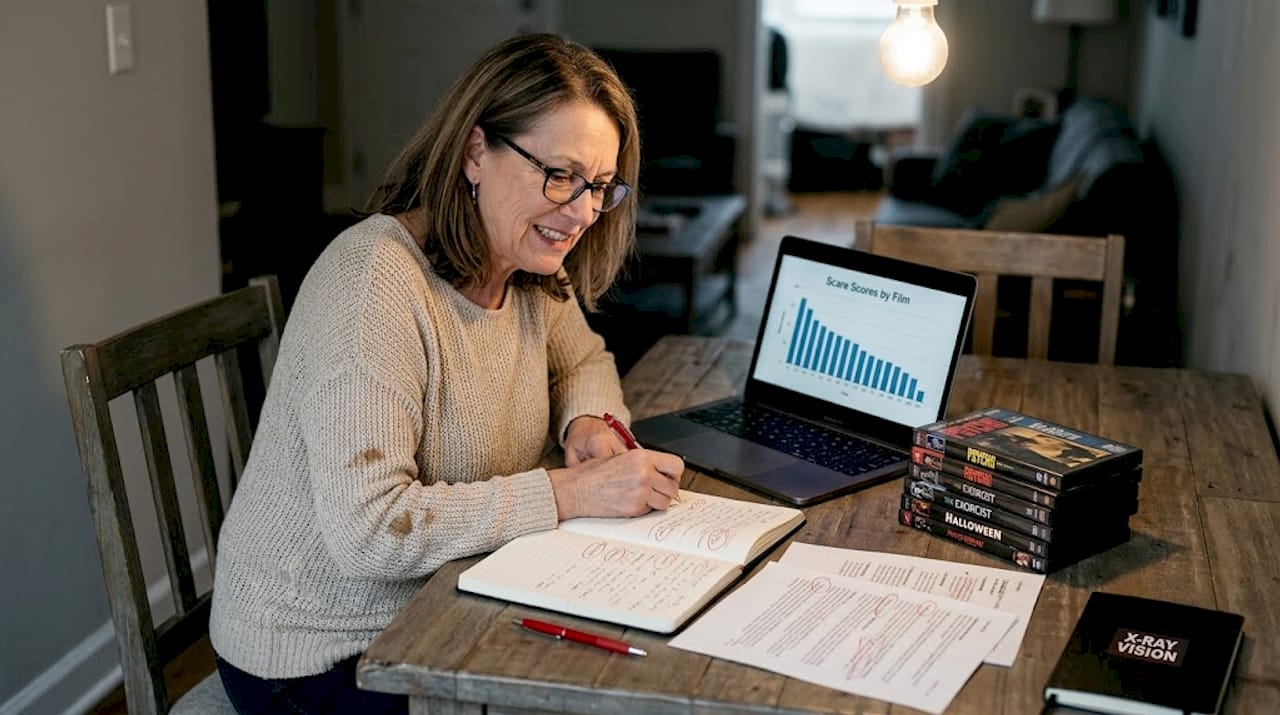
The top 10 scariest films by Science of Scare are ranked using a Scare Score that combines average BPM elevation and heart rate variability. The results might surprise you. Modern, atmospheric horror dominates. Big-budget slashers? Not so much.
- Sinister (2012) — Scare Score: 8.79. Sustained dread through Super 8 footage and an oppressive score.
- Insidious (2010) — Relentless atmosphere with jarring jump scares that keep BPM elevated.
- The Conjuring (2013) — Slow-burn tension that peaks in genuinely terrifying sequences.
- Hereditary (2018) — Psychological devastation that lingers long after the credits roll.
- Paranormal Activity (2007) — Found footage minimalism that turns silence into a weapon.
- It Follows (2014) — Existential dread with a concept so simple it burrows into your brain.
- The Visit (2015) — Uncomfortable tension built through everyday family horror.
- The Conjuring 2 (2016) — Escalates the original's formula with stronger supernatural imagery.
- Midsommar (2019) — Bright, sunny, and deeply disturbing. Fear without darkness.
- Sinister 2 (2015) — Follows its predecessor's formula with effective, if familiar, dread.
Empirical benchmarks favor modern, atmospheric horror over older classics. This doesn't mean the classics aren't scary. It means modern filmmakers have learned exactly how to manipulate your nervous system.
| Film | Scare Score | Avg. BPM spike | Primary scare style |
|---|---|---|---|
| Sinister | 8.79 | +32 BPM | Atmospheric dread |
| Insidious | 8.54 | +28 BPM | Jump scares + atmosphere |
| The Conjuring | 8.42 | +26 BPM | Slow-burn tension |
| Hereditary | 8.30 | +24 BPM | Psychological horror |
| Paranormal Activity | 8.21 | +22 BPM | Found footage suspense |
Browse recent horror hits that pair beautifully with these films if you want to extend the fear beyond the screen. Understanding why horror works on a psychological level also makes watching these films a richer, more intentional experience. And if you want to understand horror's impact on your emotions and resilience, the science is genuinely fascinating.
Pro Tip: If you're new to high-intensity horror, start with It Follows or The Conjuring. They build dread gradually rather than assaulting you with relentless jump scares, making them great entry points into data-driven fear.
The classics vs. modern nightmares: Critical and fan favorites
While the data spotlights today's scariest films, what about the beloved classics and fan favorites that shaped our nightmares?
IMDb top-rated horror films by user votes tell a very different story than heart rate studies. The Shining, Psycho, and Get Out rank among the highest-rated horror films by audience score. These films earn their place through storytelling mastery, not just physiological shock.
Rotten Tomatoes critical list values film artistry and story depth, placing films like Get Out, Hereditary, and The Witch at the top. Critics reward films that use horror as a vehicle for deeper themes. Social commentary. Grief. Isolation. These films scare you and make you think.
Audience poll results for "scariest" consistently surface The Exorcist, Hereditary, The Conjuring, and It as the most frightening films according to everyday viewers. Nostalgia plays a huge role here.
What makes a classic endure?
- Timeless atmosphere: The Shining's Overlook Hotel feels just as isolating today as it did in 1980.
- Cultural weight: The Exorcist shocked an entire generation and that cultural memory persists.
- Artistic craft: Films like Rosemary's Baby reward multiple viewings with new layers of dread.
- Story depth: When a film scares you AND means something, it stays with you forever.
"The best horror films don't just frighten you. They hold up a mirror and make you afraid of what you see."
Explore classic horror essentials if you want to understand the literary roots of these cinematic giants. There's also a wonderful world of horror for young fans if you're introducing someone new to the genre. And for deeper reading recommendations, the best horror books list is a great companion to this film guide.
| Film | Critics score | Audience score | Heart rate rank |
|---|---|---|---|
| The Exorcist | 83% | 91% | Not in top 10 |
| Hereditary | 92% | 73% | #4 |
| The Conjuring | 86% | 88% | #3 |
| Get Out | 98% | 87% | Not in top 10 |
Which type of scare is right for you?
Now that you've seen the rankings and debated the greats, how do you pick the right fright for your mood?
Different styles of horror evoke distinct physiological and emotional reactions. Knowing your fear preference helps you choose a film that actually delivers. Here's a breakdown of the three main scare styles and which films do them best.
Jump scares are sudden, loud, and immediate. Your body reacts before your brain catches up. Best films for this style:
- Insidious — Perfectly timed shocks that feel genuinely earned
- The Conjuring — Jump scares with real emotional weight behind them
- Paranormal Activity — Quiet, quiet, quiet... then chaos
Psychological horror gets under your skin and stays there. It's the kind of fear you feel on the drive home. Best films for this style:
- Hereditary — Family trauma weaponized into pure dread
- Midsommar — Daylight horror that makes sunshine feel threatening
- Get Out — Social anxiety turned into a nightmare
Supernatural horror taps into ancient, primal fears about forces beyond our understanding. Best films for this style:
- Sinister — Something ancient and evil hiding in home movies
- The Conjuring — Demonic forces with genuine menace
- It Follows — A curse that moves slowly but never stops
Understanding modern horror explained helps you appreciate why certain films hit harder than others. And if you want to trace where these fears come from, the horror history from folklore to modern fiction is a genuinely thrilling read.
Pro Tip: Mix your viewing. Watch a data-driven top scorer like Sinister one night, then follow it up with a critically acclaimed classic like The Shining the next. The contrast shows you exactly how differently fear can be constructed.
Why there's no single scariest film: An enthusiast's take
After considering all the evidence and expert opinions, one truth stands out for horror fans: fear is stubbornly personal.
Heart rate data is fascinating and genuinely useful. But your body's reaction to a film depends on far more than what's on screen. Where you watch matters. Alone at midnight in a dark room hits differently than surrounded by friends laughing at jump scares. Your personal history shapes everything. A film about home invasion will terrify someone who has experienced that fear in real life in a way no study can quantify.
Cultural context shifts fear too. A Japanese viewer and an American viewer may respond very differently to the same supernatural imagery, because the mythology behind the monster changes its weight entirely.
And here's something worth considering: horror fans often love films that no longer scare them. You revisit The Shining not because it makes your heart race but because it's a masterpiece of atmosphere and craft. Fear is just the entry point. The horror genres that pull you in keep you coming back for reasons that go far deeper than a BPM spike.
The scariest film is the one that finds your specific, personal fear and presses on it without mercy. No study can tell you which one that is. Only you know.
Ready to explore more horror?
If these rankings have your pulse already climbing, imagine what the right horror book can do. The page strips away the jump scares and the score, leaving nothing but raw, unsettling tension between you and the story.

Mark Watson's horror book collection is curated for fans who want their fear served with craft and intention. Whether you're drawn to supernatural dread, psychological twists, or something that blurs every boundary, there's something waiting for you. Explore creepypasta book picks for internet-age horror that feels disturbingly real. Or browse more horror content to find your next obsession. DON'T WAIT. The next thing that keeps you up at night is one click away.
Frequently asked questions
What is the scientifically scariest film ever made?
According to heart rate studies, Sinister topped the Science of Scare rankings with the highest Scare Score and average BPM elevation of any film tested.
Are older horror films still scary by today's standards?
Many classics remain genuinely frightening due to their atmosphere and storytelling. Classic films like The Exorcist and The Shining still place highly in user and critic polls, even if newer films trigger stronger physiological reactions.
What does a high Scare Score actually mean?
A high Scare Score indicates significant heart rate spikes and low heart rate variability during viewing. The Science of Scare uses BPM and HRV to measure how intensely a film stresses the viewer's body.
Do critic ratings and user polls agree on the scariest movies?
Rarely. Critics, users, and data-driven lists consistently highlight different films, because each method measures a completely different dimension of fear.
Recommended
- Best adult horror books: 27 spine-chilling picks for 2026
- Horror movies guide: Genre, classics & literary roots
- Examples of classic horror books every fan should read
- Your guide to horror genres: Explore every fright
- Story structure, examined: horror storytelling (and how dread replaces momentum) | Stonington Media LLC