
TL;DR:
- Diverse children's books are underrepresented despite the majority of children being of color.
- Representation in books fosters empathy, self-worth, inclusion, and academic success in children.
- Overcoming barriers like book bans and limited publisher options is vital for inclusive literacy.
Picture this: more than half of American children under five are children of color, yet only 29% of kids' books feature characters who look like them. That gap is striking. It shapes how children see themselves and how they see others. For parents and educators who want to build classrooms and homes where every child feels seen, the books on your shelves are one of the most powerful tools you have. This article breaks down why diverse children's literature matters, what the research says, and exactly how you can act on it today.
Table of Contents
- How representation shapes young minds
- The real impact: Inclusion, empathy, and academic gains
- Overcoming gaps and book bans: Challenges faced today
- Exploring nuance: Representation, universality, and the debate
- How to choose and share diverse books with kids
- Our perspective: Navigating controversies and what real inclusion looks like
- Discover great diverse kids' books
- Frequently asked questions
Key Takeaways
| Point | Details |
|---|---|
| Diversity fuels empathy | When children read about different lives, they become more compassionate and accepting. |
| Gaps still persist | Most kids’ books lack authentic representation, making parent and educator choices crucial. |
| Challenges include book bans | Censorship and limited publishing diversity can hinder access to inclusive stories. |
| Balanced stories work best | Combining universal themes with diverse characters helps engage all readers. |
| Practical actions matter | Curating, discussing, and advocating for diverse reading makes a lasting difference. |
How representation shapes young minds
With the stakes set, let's explore how representation in children's books shapes young readers' minds.
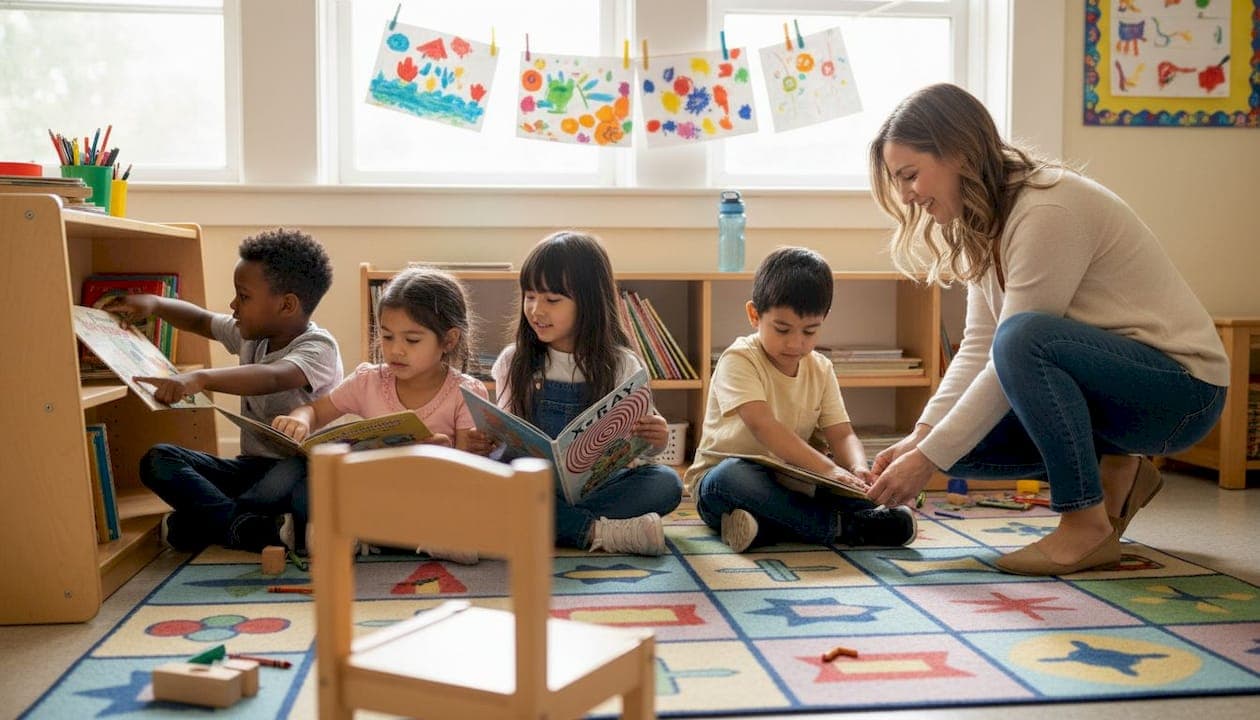
Children are forming their identities at a remarkable speed. By age three, kids notice racial and physical differences. By age five, they're already drawing conclusions about who belongs in which kinds of stories. When a child opens a book and sees a character who shares their background, their family structure, or their ability, something clicks. They feel real. They feel like they matter.
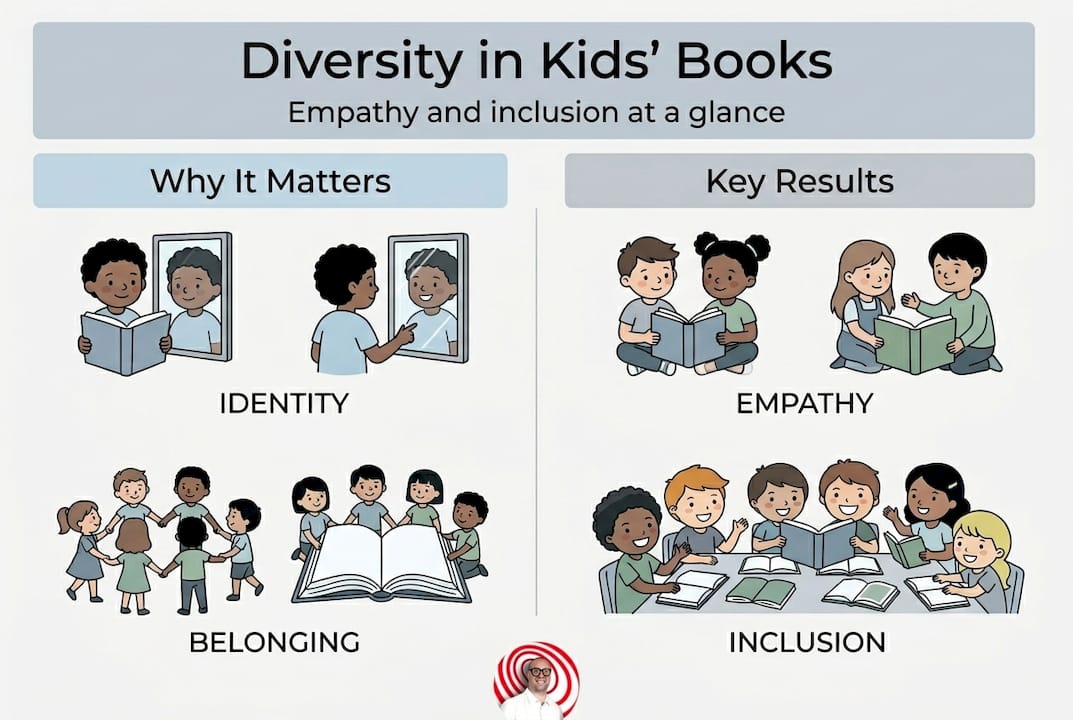
The science backs this up. Dialogic reading of diverse stories enhances children's empathy and inclusion, especially toward marginalized groups. Dialogic reading means reading together and talking through the story, asking questions, making connections. It turns a picture book into a living conversation.
Here's a snapshot of what strong representation actually does for kids:
- Builds cognitive empathy: Children learn to understand perspectives beyond their own lived experience.
- Boosts self-worth: Seeing characters who look or live like them affirms that their story is worth telling.
- Sparks curiosity: Books featuring diverse characters encourage kids to ask questions about the wider world.
- Strengthens inclusion: Children who encounter diverse stories develop more accepting attitudes toward peers who are different.
- Supports kids' book themes and empathy: Thematic variety gives kids vocabulary for feelings and situations they might not encounter at home.
One gap that deserves a spotlight: disability representation. Children with disabilities are dramatically underrepresented across children's book genres, making it even harder for kids with physical or cognitive differences to find themselves in stories.
| Representation type | Approximate share of US kids' books |
|---|---|
| Characters of color | 29% |
| Disability representation | Under 5% |
| LGBTQ+ characters | Under 3% |
| Female protagonists | ~45% |
"When children see themselves in stories, they don't just enjoy the book more — they start to believe their own story is worth reading."
Pro Tip: Use the LuDiCa method, a technique where you let children choose diverse books freely, then guide a short discussion afterward. This builds empathy naturally, without it feeling like a lesson.
The real impact: Inclusion, empathy, and academic gains
Now that we understand the psychological impact, what does the research say about real-world outcomes for children exposed to diverse books?
The benefits are layered. Think of it as three distinct levels of gain.
- Empathy development. Children who regularly read or listen to diverse stories score higher on empathy measures. They are better at recognizing and naming emotions in others, a skill that follows them into adulthood.
- Social inclusion. Exposure to stories featuring characters from different backgrounds reduces in-group bias. Kids become more likely to welcome a new classmate who looks or speaks differently from them.
- Academic skills. Diverse classroom libraries increase reading time and scores. When kids find books they connect with, they read more. More reading means stronger literacy across the board.
Here's how outcomes compare:
| Student exposure | Reading engagement | Empathy scores | Literacy outcomes |
|---|---|---|---|
| Access to diverse books | High | Measurably higher | Above average |
| Limited diverse options | Moderate to low | Average or below | At or below average |
Statistic to know: Over 10,000 book bans took place in the 2023 to 2024 school year alone, with the majority targeting books featuring diverse characters and experiences. Meanwhile, just 29% of children's books feature diverse leads. The math is sobering.
For picture books and literacy, the effect is especially vivid. Young readers who encounter diverse picture books develop richer vocabulary and stronger story comprehension, often ahead of their peers.
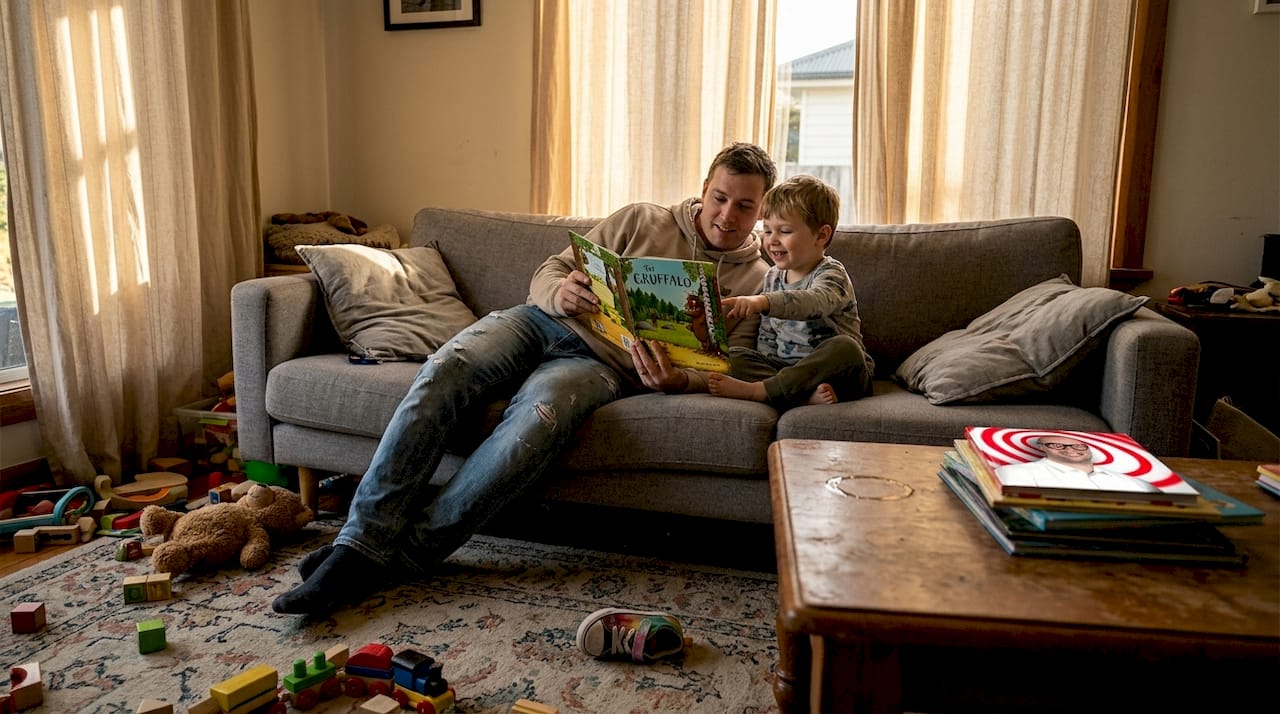
If you're looking for expert tips for early readers, starting with books that reflect your child's own world is one of the most effective moves you can make.
Pro Tip: When selecting books for a classroom or home library, aim for at least one-third of your collection to feature protagonists from underrepresented backgrounds. Diversity should feel like the norm, not the exception.
Overcoming gaps and book bans: Challenges faced today
Of course, providing diverse books isn't always simple — there are still significant barriers.
The numbers tell an uncomfortable story. Only 29% of kids' books feature characters of color, and 76.7% of publishing executives are white. That means decisions about which stories get told are largely being made by people from a narrow slice of society.
Book bans are making this worse. Book bans targeting diverse books harm empathy and literacy development in measurable ways. When a school removes a book featuring a Black family, a disabled child, or a same-sex parent, kids lose a window into a world they need to understand.
"Over 10,000 book bans were recorded in the 2023 to 2024 school year, with the majority targeting LGBTQ+ content and stories by or about people of color."
Here are the most common barriers parents and educators face, and what you can do about each:
- Restricted school libraries: Advocate at school board meetings and connect with organizations like We Need Diverse Books to stay informed.
- Limited budgets: Partner with local public libraries to create rotating classroom loan collections.
- Narrow publisher catalogs: Seek out independent authors and small presses. They often produce the most authentic diverse content.
- Misinformation about book content: Read challenged books yourself before forming an opinion. Many banned books are age-appropriate and deeply meaningful.
Exploring the impact of story genres can also open your eyes to just how broadly storytelling shapes a child's developing mind. Even unexpected genres carry enormous empathy-building potential.
For diversity in play, extending inclusive representation beyond books into toys and games reinforces the same messages children absorb from diverse stories.
Pro Tip: Reach out to independent children's authors in your community. Many are eager to visit classrooms, donate books, or recommend titles that address gaps in mainstream publishing.
Exploring nuance: Representation, universality, and the debate
While the evidence for diversity is strong, some readers and critics present an important debate.
Not everyone agrees on how much emphasis to place on identity in children's books. Some argue that overemphasis on identity representation reduces universal literary appeal — that truly great stories transcend backgrounds and speak to all children equally.
This is a fair conversation. Great literature does carry universal themes. Love, fear, friendship, and loss belong to everyone.
But here's the important nuance: children are not small adults. Some adult studies do not find a causal link between fiction and empathy, so we should focus on child-specific evidence. And with children, the research is clear: seeing characters who match their own identity produces measurable empathy and literacy gains that stories featuring only dominant-culture characters do not replicate.
The strongest books manage both. They tell universal human stories through specific, authentic cultural lenses. Think of them as windows and mirrors at the same time.
- Mirror stories reflect a child's own background, affirming their identity and building confidence.
- Window stories offer a view into lives different from their own, expanding empathy.
- The best books do both, holding a specific identity while touching on feelings every child knows.
"Good literature is for everyone — but children need to see themselves in that literature first before they can truly see others."
How illustrations and representation work together is equally vital. Images carry meaning before a child reads a single word. When illustration and story align in authentic representation, the impact is doubled.
How to choose and share diverse books with kids
To put this knowledge into practice, here's how you can select and integrate diverse books for your young readers.
Finding authentic diverse books takes intention. Not every book with a character of color handles that representation with care. Look for stories written or informed by people from the communities they depict. Authentic voice makes a real difference.
Here's a practical framework:
- Check the author's background. Books written by authors from underrepresented groups tend to offer more nuanced, lived-in portrayals.
- Look for intersectionality. The strongest titles show characters navigating multiple identities — race, disability, family structure — at once.
- Read reviews from community sources. Seek out reading lists curated by diverse parent groups, educators, or organizations like We Need Diverse Books.
- Test it with the child. Personalized diverse books especially boost involvement for children of color. Let kids help choose their books whenever possible.
- Discuss what you read. Ask open questions: "How do you think that character felt?" "Have you ever felt like that?" This turns reading into a shared empathy-building exercise.
For explained book themes, understanding the emotional and social themes in a book before you share it helps you guide the conversation naturally. You can also browse curated children's books collections to find titles that already center diverse voices.
Looking for something right for very young children? Books for infants featuring diverse faces are a wonderful starting point, since representation works even before a child can understand words.
Pro Tip: Build a "book swap" program in your school or neighborhood. Families donate diverse titles they've finished, and others pick up something new. It's low-cost, community-driven, and keeps diverse books in circulation.
Our perspective: Navigating controversies and what real inclusion looks like
In reflecting on all this, our experience points to some deeper truths and hard-earned lessons.
Real inclusion isn't about ticking boxes. It's about making sure every child has both a mirror and a window on your shelves. The debate about universality versus representation often misses the most important point: children absorb stories deeply, long before they can articulate the word "diversity." A five-year-old who sees a protagonist who shares their family structure doesn't think "representation." They think, "That's me." And that moment is transformative.
We've seen it repeatedly. Classrooms where teachers intentionally rotate diverse titles show higher engagement, more spontaneous discussion, and more inclusive playground dynamics. The books aren't a lesson. They're just stories — but stories that carry weight.
The debates can be a distraction. While critics argue about identity politics in literature, kids are sitting in classrooms where shelves tell them only certain kinds of people have adventures worth reading about. Don't let that be your classroom or your home. Learning how to write children's books that captivate also reveals just how deliberately authors must craft authentic representation — it's a skill, not an afterthought.
Discover great diverse kids' books
Inspired to take the next step? Here's where you can find books that reflect every child.
If you're ready to build a more inclusive reading collection, you don't have to start from scratch.

At Mark Watson Books, you'll find a carefully curated range of diverse children's books that bring vivid, authentic characters to life for readers of all ages. Whether you're stocking a classroom library or finding the perfect bedtime story, there's something for every child. You can also browse the full all book collections to discover titles spanning different genres, age groups, and experiences. Every book on the list is chosen with inclusion in mind. Don't wait — the right story for your child is already out there.
Frequently asked questions
What are the risks if children don't see themselves in books?
Children who never encounter characters like themselves may develop lower self-esteem and a persistent sense of being excluded from the broader story of society. Lack of visibility can quietly erode a child's confidence over time.
How does diversity in books actually foster empathy?
Diverse stories invite children to experience lives beyond their own, and dialogic reading enhances cognitive empathy in measurable ways when guided by an adult reader.
What's the current state of diversity in children's publishing?
As of recent data, only 29% of books feature characters of color, even though more than half of American children under five are children of color — a significant and troubling gap.
Are there drawbacks to focusing on diversity themes?
Some critics argue that overemphasizing identity reduces universal literary appeal, but research consistently shows that authenticity and balance produce the strongest reader outcomes for children.
How can parents find authentic, inclusive books?
Seek out authors from underrepresented communities and use community-curated reading lists. Personalized books boost involvement especially for children of color, making relevance a key factor in selection.