
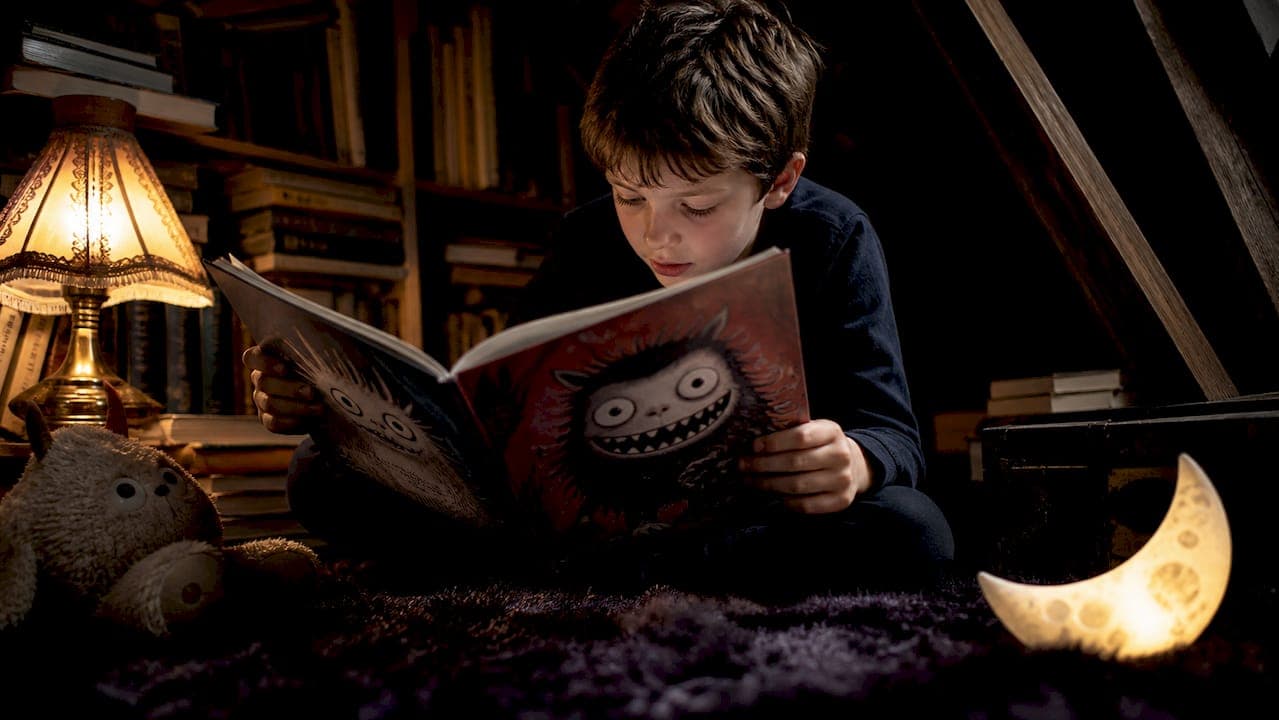
Yes, age-appropriate horror can genuinely help children grow. When introduced thoughtfully, spooky stories and child-friendly horror films give kids a safe space to practice fear, build resilience, and sharpen emotional skills they'll carry for life.
- Start "spooky," not "graphic." Gateway titles with humor, clear moral resolution, and child heroes produce far better outcomes than intense or ambiguous content.
- Preview and co-view. Watching or reading alongside your child transforms a potentially overwhelming experience into a guided conversation.
- Lean on trusted tools. Common Sense Media's age-based reviews and American Academy of Pediatrics media guidance give you a policy-backed, clinician-reviewed starting point before you press play.
Key Takeaways
Age-appropriate horror, introduced with parental guidance and matched to a child's developmental stage, can build emotional regulation, resilience, and reading motivation without the harms associated with graphic or violent content.
| Point | Details |
|---|---|
| The cognitive sweet spot is around age 10 | Frontiers in Psychology research shows children around this age reliably distinguish fiction from real threat. |
| Start with spooky, not graphic | Gateway titles with humor, child protagonists, and clear resolutions produce the strongest developmental benefits. |
| Co-view and debrief every time | Pausing to ask "How are you feeling?" gives children the emotional scaffolding to process fear safely. |
| Watch for red flags beyond 2–3 weeks | Persistent nightmares, sleep loss, or withdrawal after exposure are signals to pause and consult a professional. |
| Use Common Sense Media and AAP guidance | Both resources provide age-specific, policy-backed content vetting that goes beyond a simple rating label. |
Table of Contents
- Why are kids so drawn to scary stories?
- What are the real advantages of age-appropriate horror for kids?
- When can horror be harmful? Red flags to watch for
- How do you introduce scary content safely? A practical checklist
- Starter picks by age band (U.S. availability)
- When should you pause exposure or consult a professional?
- What does the research actually say?
- Why age-appropriate horror stories genuinely matter
- Explore age-appropriate horror titles for your child
- Sources
Why are kids so drawn to scary stories?
The pull toward spooky content isn't misbehavior. It's wired in. Two psychological forces drive it: sensation-seeking and morbid curiosity.
Sensation-seeking is the appetite for novel, intense experiences. Children, especially between ages 8 and 12, experience a surge in this drive as their brains develop. Scary stories deliver a controlled dose of that intensity without real-world danger. Morbid curiosity is slightly different: it's the urge to understand threatening or dark topics, partly to mentally rehearse how you'd respond. Both impulses are developmentally normal, and research on why kids love spooky tales suggests they're actually signs of healthy cognitive engagement.
Social currency matters too. Kids talk about scary movies and books at school. Sharing a frightening story builds group identity and a kind of mutual bravado. Platform algorithms amplify this: a single click on a mildly spooky thumbnail can flood a child's feed with progressively intense content, making accidental exposure more common than most parents realize.
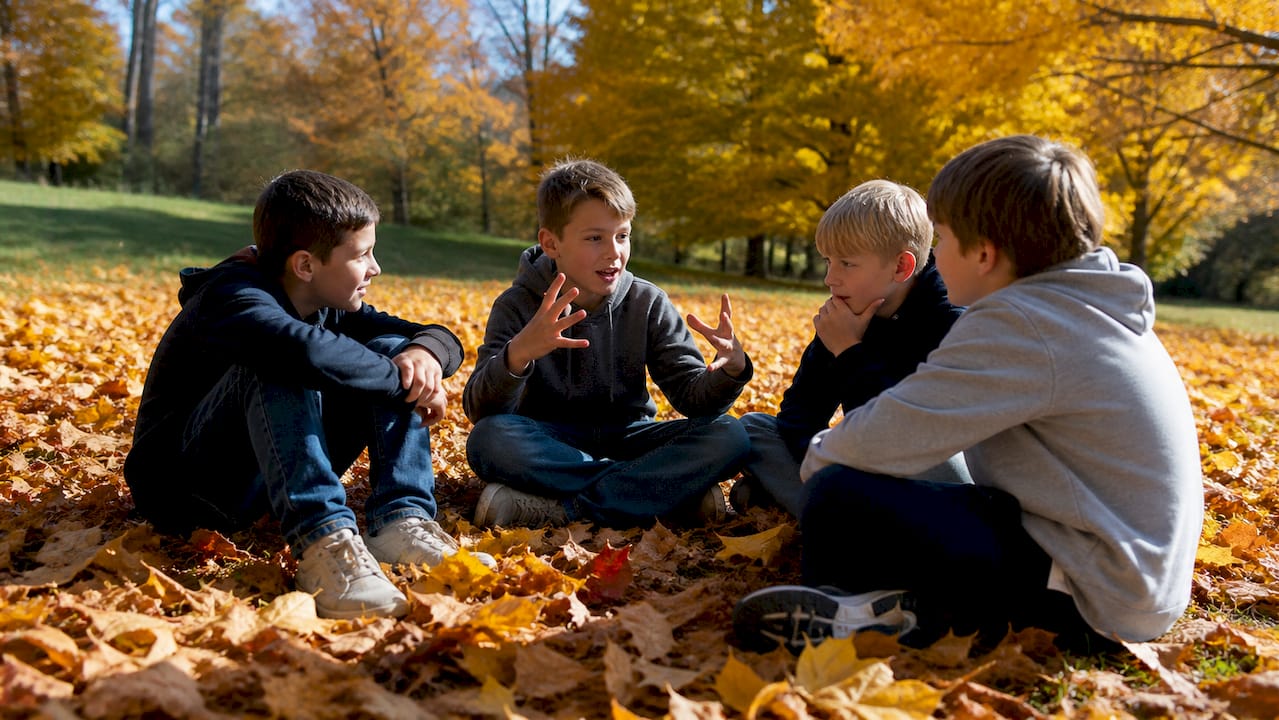
Research published in Frontiers in Psychology points to a cognitive "sweet spot" around age 10, when children can more reliably distinguish movie magic from real-world threat. Before that window, the line between fiction and reality is blurrier, which is why the same story that thrills a 10-year-old can genuinely terrify a 6-year-old. Understanding that developmental arc helps you time introductions wisely rather than guessing.
What are the real advantages of age-appropriate horror for kids?
The advantages of age-appropriate horror aren't just theoretical. Here's what the evidence actually supports, with a one-line note on how each benefit works in practice:
- Emotional regulation. Scary stories let children experience fear in a controlled setting and practice calming themselves down. Practical implication: after a tense scene, ask "How did that feel? What helped you feel better?"
- Resilience and mastery. Kids often re-read or rewatch the same frightening story voluntarily. That repeated exposure is an active learning process: they're rehearsing the scary moment until it no longer overwhelms them. BookTrust's research on age-appropriate scary stories confirms children use this strategy to gain control over fear.
- Empathy and perspective-taking. Following a character through danger builds the habit of imagining someone else's emotional state. Monster-themed stories are especially effective here because the "monster" often turns out to be misunderstood.
- Critical thinking and prediction skills. Horror is a genre built on clues. Children who engage with it learn to read foreshadowing, question unreliable narrators, and predict outcomes. Screenwise notes that horror books specifically promote this kind of interpretive thinking.
- Reading motivation. Reluctant readers often respond to suspense in a way they don't respond to other genres. The need to know what happens next keeps pages turning. BookTrust's findings reinforce that scary stories can bring disengaged readers back to books.
- Emotional processing. Engaging with frightening fiction may help children process negative emotions in a low-stakes environment. NKC Health's overview of scary-media research describes this as practicing coping skills through narrative.
The key phrase across all of these is age-appropriate. The benefits above apply to content calibrated to a child's developmental stage, not to graphic or violent material.
When can horror be harmful? Red flags to watch for
Not every scary story is a good fit, and even well-chosen content can occasionally land wrong. The American Academy of Pediatrics links violent and graphic media exposure to increased aggression, desensitization, and sleep disturbance in children. The distinction between "spooky" and "graphic" matters enormously here.
Watch for these specific behaviors after exposure:
- New or worsening nightmares and night terrors that appear within days of watching or reading something scary
- Increased separation anxiety or reluctance to be alone in rooms, especially at night
- Sleep regression — a child who previously slept well now resists bedtime or wakes frequently
- Aggressive imitation of violent scenes or characters
- Persistent avoidance of previously normal activities (dark hallways, bathrooms, certain rooms)
- Phobia formation — a fear that intensifies rather than fades over days
Short-term disturbance is common and usually resolves within a few days. Persistent or worsening signs are the signal to act.
A note on violent media: The AAP's policy guidance is clear that graphic violence, not spooky atmosphere, drives the most harmful outcomes. A ghost story with humor and resolution sits in a very different risk category than a slasher film.
How do you introduce scary content safely? A practical checklist
The Parents recommend a structured approach rather than a blanket yes or no. Here's a step-by-step checklist you can use the next time your child asks for something spooky:
- Preview the content yourself first. Watch or read it before your child does. Note any scenes involving graphic violence, sexual content, or unresolved threat.
- Check Common Sense Media. Their age-based breakdowns go beyond a simple rating to flag specific content types (jump scares, gore, language). Use it as a second opinion after your own preview.
- Pick a gateway title. Start with content that pairs spooky elements with humor, a child protagonist, and a clear moral resolution. These structural features act as a safety net.
- Co-view or co-read. Sit with your child for the first exposure. Your calm presence signals that the experience is manageable.
- Pause and debrief. Stop at tense moments and check in. Two phrases that work well: "That looked scary — what do you think is going to happen?" and "How are you feeling right now? Want to keep going?"
- Set time-of-day rules. Avoid scary content in the hour before bed. Fear responses are harder to regulate when a child is already tired.
- Agree on a stop signal. Let your child know they can say "pause" or "stop" at any point, no questions asked. This gives them control over the experience.
- Monitor sleep and behavior for 48–72 hours. If new nightmares or anxiety appear and don't fade within a few days, treat that as a signal to dial back.
Pro Tip: When a frightening scene plays, pause the video and say, "The director used that music to make us feel scared on purpose — it's a trick." Naming the craft behind the scare reduces its emotional charge significantly.
Set accurate age profiles on streaming platforms and consider activating a family media plan through the AAP's HealthyChildren.org resources. Platform algorithms respond to viewing history, so a single accidental click can reshape what your child sees next.
Starter picks by age band (U.S. availability)
Age is a starting point, not a verdict. A sensitive 9-year-old may need content pitched at the 5–7 band, while a confident 8-year-old might handle the 8–10 range comfortably. Use these as conversation starters, not rigid rules.
Ages 5–7: gentle spooky with a safety net
Content for this band should have zero graphic violence, a reassuring resolution, and plenty of humor to break tension.
- Coraline (film, PG) — Unsettling atmosphere, but the protagonist wins and the threat is clearly fantastical. Ideal for kids who ask "what's behind the door?"
- Room on the Broom (book/film) — A witch story with warmth and comedy; introduces "scary" characters in a completely non-threatening frame.
- Short anthology picture books with resolved ghost stories — Single-sitting reads where the "monster" turns out to be friendly or misunderstood. Children's anthologies are especially useful here because each story ends before fear can accumulate.
Selection criteria for this band: humor present, threat clearly fictional, child or animal protagonist, resolution within the story, no graphic imagery.
Ages 8–10: the cognitive sweet spot
Research published in Frontiers in Psychology identifies this window as when children reliably distinguish fiction from real threat. Slightly more tension is manageable.
- Goosebumps series (books/show) — Episodic, humorous, and reliably resolved. The series is practically designed for this developmental window.
- Hilo: The Boy Who Crashed to Earth (graphic novel series) — Sci-fi horror-adjacent with strong moral framing and comedy.
- Middle-grade horror anthologies — Short stories let children self-regulate exposure one story at a time. Popular middle-grade horror titles sorted by scare level can help you find the right entry point.
Selection criteria: episodic or short-story format, humor as a tension release, child protagonists who solve the problem, no gore.
Ages 11–13: building genuine tension
Kids in this band can handle ambiguity and sustained dread, provided the content stops short of graphic violence.
- Scary Stories to Tell in the Dark (book) — A classic that uses folklore and atmosphere rather than gore; excellent for discussing storytelling craft.
- Stranger Things Season 1 (TV, TV-14) — Strong character bonds, clear moral stakes, and a resolution that rewards the protagonists. Preview for parental comfort.
- Horror short-story collections — The short format gives readers a natural stopping point and prevents escalating dread from building unchecked.
Selection criteria: character-driven fear, moral clarity, limited graphic violence, age-appropriate themes (school, friendship, family).
Ages 14 and up: suitable horror for teens
Teens can engage with more complex, morally ambiguous horror. The focus shifts from protection to conversation.
- Literary horror novels — Works that use horror as a lens for social commentary give teens something to analyze, not just survive.
- Creepypasta anthologies — Internet horror is the genre teens already encounter online. A curated anthology gives you a shared text to discuss. Mark Watson's Creepypasta collections are designed for older teen and adult readers; review content before sharing with younger teens.
Selection criteria: thematic depth, some moral ambiguity acceptable, graphic violence still worth previewing, opportunity for discussion.
Pro Tip: For any age band, the educational value of scary stories is highest when you read or watch together and ask one open question afterward: "What would you have done differently than the main character?"
When should you pause exposure or consult a professional?
Most fear responses after scary content fade within a few days. These thresholds suggest it's time to do more than wait:
- Nightmares or night terrors persisting beyond 2–3 weeks after exposure
- Significant sleep loss affecting daytime functioning, school performance, or mood
- Increased aggression at home or school that began after the exposure
- Withdrawal from normal activities — avoiding friends, refusing school, or abandoning previously enjoyed hobbies
- Suicidal or self-harm talk — contact a provider immediately, not after a waiting period
Before calling a professional, try these home steps first:
- Remove the triggering content from accessible devices and streaming queues.
- Re-establish a calming bedtime routine: consistent timing, low light, and a brief co-regulation activity (deep breathing, a short calm story).
- Name the fear directly with your child: "You saw something scary and your brain is still thinking about it. That's normal. Let's talk about it."
- Reduce overall screen time temporarily to lower general stimulation.
When you do consult a pediatrician or child therapist, bring specifics: the title, a brief description of the content, and the behaviors you've observed. That context helps the provider respond accurately rather than generically.
What does the research actually say?
The strongest finding in this space is the cognitive "sweet spot" identified in Frontiers in Psychology: around age 10, children develop the cognitive capacity to reliably separate fictional threat from real danger, making that period a natural window for age-appropriate horror exposure.
Adult-focused studies, including work discussed in ReactorMag's overview of horror research, suggest that engaging with frightening fiction may help people practice managing negative emotions in a safe setting. Some samples show correlations with lower distress responses. Generalizing those findings to children is tentative, and researchers are careful to note that the mechanisms observed in adults don't automatically transfer to developing brains.
The AAP's policy position is grounded in a different body of evidence: studies linking graphic violence in media to increased aggression and desensitization in children. The AAP recommends active parental monitoring, content vetting, and co-viewing as the primary protective factors. The critical distinction the research supports is between atmospheric, resolved horror (associated with developmental benefits) and graphic, violent content (associated with harm).
Evidence limits matter here. Most studies on horror's benefits use adult samples, self-report measures, and short observation windows. Parents should treat the research as useful guidance, not a guarantee. Your child's individual sensitivity, developmental stage, and prior experiences with fear are variables no study can fully account for.
Why age-appropriate horror stories genuinely matter
Horror has always been a way to face the dark without being swallowed by it. Writing across multiple genres, including children's books and horror anthologies, has made one thing clear to me: the stories that stay with young readers aren't the ones that terrify them into silence. They're the ones that give fear a shape, a name, and a resolution.

The evidence in this article supports something storytellers have known for generations: a well-crafted scary story hands a child a torch and says, "You can walk through this." That's not a small thing. It's one of the most useful gifts a story can give.
At Markwatsonbooks, every title is chosen with that balance in mind. Creativity and child safety aren't opposites. The curated selections on the site reflect that belief, and the age-banded picks above are a direct expression of it.
Explore age-appropriate horror titles for your child

Ready to find the right starting point? Markwatsonbooks offers a curated range of titles across age groups, from illustrated children's books to Creepypasta anthologies for older teens and adults. Browse the full children's book collection for younger readers, or explore the complete horror catalog to find a title matched to your child's age and sensitivity level. Every book comes with a summary so you can preview before you share.
Sources
- Frontiers in Psychology — Cognitive development study (sweet spot for fiction vs. reality)
- American Academy of Pediatrics — Kids and horror content (QA portal)
- Parents — Should you let your kids watch horror movies?
- BookTrust — A touch of fear: The benefits of age-appropriate horror
- Screenwise — Horror books for kids: when scary stories are healthy
This article is general information, not a substitute for advice from a qualified doctor. Consult a qualified healthcare professional about your own circumstances before acting on anything here.