
TL;DR:
- Middle grade horror books like "Small Spaces" and "Coraline" offer age-appropriate scares that help children build emotional resilience. Choosing stories based on scare level, previewing content, and reading together ensure a safe, engaging introduction to spooky fiction. Curated anthologies and internet-era collections provide a controlled dose of fear, fostering bravery and critical thinking in young readers.
The most popular middle grade horror books parents and educators can act on right now: Small Spaces by Katherine Arden, Goosebumps by R.L. Stine, Coraline by Neil Gaiman, Hilo (for lighter fare), Scary Stories to Tell in the Dark by Alvin Schwartz, The Haunted Library series by Dori Hillestad Butler, Bunnicula by Deborah and James Howe, Nightbooks by J.A. White, The Jumbies by Tracey Baptiste, and Another by Paul Tremblay. Every title is available at U.S. public libraries, on Amazon, and through major ebook platforms including Kindle and Hoopla.
Quick shortlist with age cues:
- Goosebumps series (R.L. Stine) — Suitable for early middle grade readers. Mild frights, campy fun. Library staple; widely available in print and audiobook.
- The Haunted Library series (Dori Hillestad Butler) — Appropriate for younger middle grade readers. Ghost-with-a-heart-of-gold stories. Perfect starter. Available in most school libraries.
- Bunnicula (Deborah and James Howe) — Good for early middle grade readers. Comedic horror. Widely stocked; Kindle edition available.
- Coraline (Neil Gaiman) — Intended for middle grade readers. Psychological, atmospheric. Print, audiobook, and ebook at major retailers.
- Small Spaces (Katherine Arden) — Well-suited to middle grade readers. Atmospheric ghost story with emotional depth. Starred reviews; available everywhere.
- Nightbooks (J.A. White) — Suitable for middle grade readers. Dark fairy-tale horror. Print and ebook widely available.
- The Jumbies (Tracey Baptiste) — Appropriate for middle grade readers. Caribbean folklore-rooted horror. Library holds and Amazon.
- Scary Stories to Tell in the Dark (Alvin Schwartz) — Intended for middle grade readers. Anthology format; classic campfire scares. Available in print and audiobook.
- Another (Paul Tremblay) — For older middle grade readers. Psychological and body-horror elements. Parent preview advised.
- Creepypasta collections (Mark Watson / Markwatsonbooks) — Suitable for older middle grade and young adult readers. Internet-era horror anthologies. Good for transitioning readers.
Table of Contents
- Popular middle grade horror books grouped by scare level
- What format does to the scare experience
- How to choose age-appropriate horror: a practical rubric
- Gentle entry points for younger or anxious readers
- Why scary books are actually good for kids
- Where U.S. readers can buy or borrow these titles
- Key Takeaways
- The case for reading scary books together
- Markwatsonbooks has the horror collections older middle-graders are ready for
- Useful sources for parents and teachers
Popular middle grade horror books grouped by scare level
Not every 10-year-old is the same reader. One kid devours Coraline in a single sitting and asks for something scarier; another puts it down after chapter two and needs a gentler on-ramp. Grouping by scare level solves that problem fast.
Mild: starter picks for ages 8–10
The Haunted Library series (Dori Hillestad Butler) — Mild. Best ages 6–9. Kaz is a ghost who can't touch anything solid; Clara is the only human who can see him. Together they solve mysteries. The scares are gentle, the humor is warm, and the ghost-friendship premise makes death feel approachable rather than terrifying. School librarians frequently recommend this series as the first step into spooky fiction.
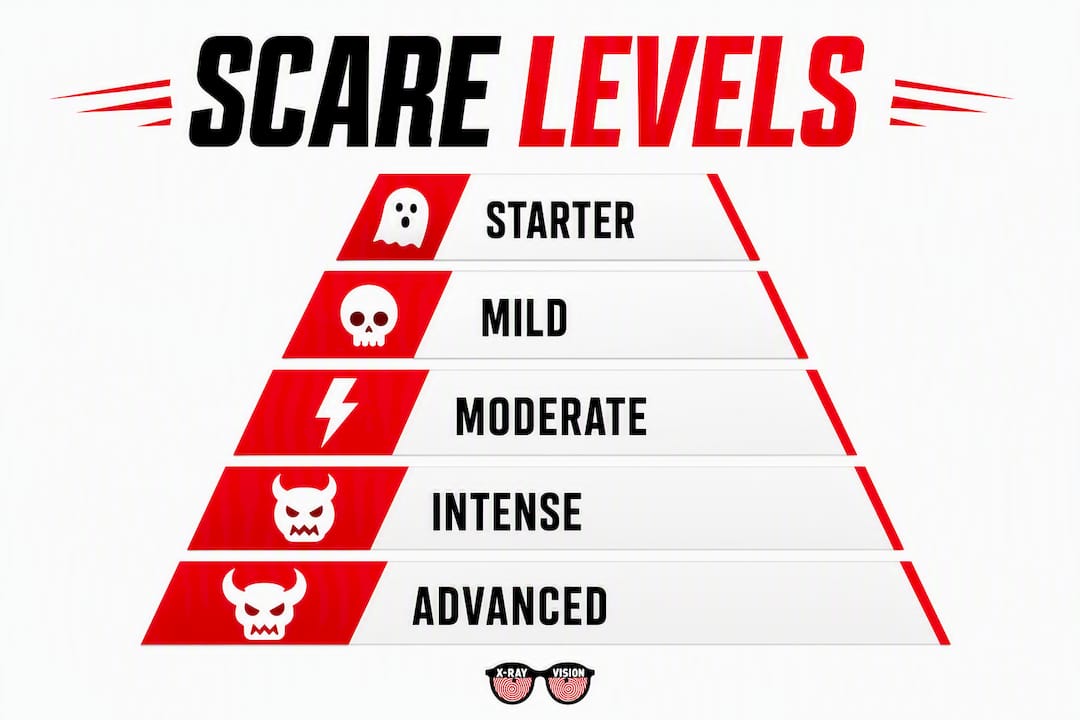
Goosebumps series (R.L. Stine) — Mild to moderate. Best ages 8–10. Fifty-plus standalone novels with monsters, haunted masks, and creepy summer camps. The formula is reliable: a twist ending, a dash of gross-out humor, and zero lasting dread. Because each book is standalone, a child can stop after one without feeling unresolved tension. Educators often keep a shelf of these for reluctant readers who need a fast, satisfying payoff.
Bunnicula (Deborah and James Howe) — Mild. Best ages 8–10. A rabbit who might be a vampire, narrated by the family dog. The horror is entirely comedic. Bunnicula works as a monster horror introduction for kids who love animals and aren't ready for anything genuinely unsettling.
The Jumbies (Tracey Baptiste) — Mild to moderate. Best ages 8–11. Rooted in Caribbean folklore, this novel follows Corinne La Mer as she faces shape-shifting spirits threatening her island. The cultural specificity makes it feel fresh, and the resolution is triumphant rather than bleak. A strong pick for readers who want folklore-flavored scares with a brave protagonist.
Medium: true middle grade chills for ages 10–12
Coraline (Neil Gaiman) — Moderate. Best ages 9–12. A girl discovers a secret door to a parallel world where everything seems perfect — until it isn't. Gaiman's prose is hypnotic, the Other Mother is genuinely unsettling, and the psychological dread builds slowly. Content note: themes of neglect and body horror (button eyes). Read together with younger or sensitive readers.
Small Spaces (Katherine Arden) — Moderate. Best ages 10–12. Starred reviews and award recognition mark this atmospheric ghost story as one of the best in its class. Ollie discovers a haunted farm and a terrifying entity called the Smiling Man. What separates it from pure scare-fest fiction is its emotional core: grief, friendship, and courage. The horror lands because the stakes feel real.
Nightbooks (J.A. White) — Moderate. Best ages 9–12. A boy who loves scary stories gets trapped by a witch who forces him to write new tales every night or face consequences. Dark fairy-tale atmosphere, clever meta-commentary on storytelling, and a satisfying resolution. Content note: mild threat to children, witch violence.
Scary Stories to Tell in the Dark (Alvin Schwartz) — Moderate. Best ages 10–12. The anthology that terrified an entire generation. Short, punchy folklore-based tales with Stephen Gammell's iconic illustrations. The format means a child can stop after any story without unresolved tension. Content note: some stories involve death and body horror; the original illustrations are genuinely disturbing for sensitive readers.
Pro Tip: For the 10–12 age group, preview the last two pages of any chapter before handing the book over. If the chapter ends on unresolved dread with no humor or safety signal, that's a sign the book may need a parent co-read.
Older middle grade and YA-adjacent: intense picks for ages 11–13
Another (Paul Tremblay) — Intense. Parent preview advised. Best ages 11–13. Reviewers describe Another as a novel that balances psychological unease with themes of loneliness and identity, speaking directly to older middle-grade readers navigating questions about self. The body-horror elements are restrained but real. This is a book to preview before handing to a sensitive reader.
"Middle grade horror acts as a mirror for anxieties, helping children find language to discuss fears like social isolation or family change — fears that feel too large to name in real life but manageable inside a story." — The Line-Up, Best Middle Grade Horror Books
Creepypasta collections (Markwatsonbooks) — Intense. Best ages 12+. Creepypasta anthologies capture modern, tech-driven horror that maps directly onto how older kids already consume scary content online: short, punchy, and deeply weird. For a reader who has outgrown campfire tales and wants something that feels current, these collections are the natural next step. Introduce them with a conversation about distinguishing fiction from real-world online content.
What format does to the scare experience
Format shapes how fear lands. A 300-page novel builds dread across weeks; a 13-story anthology delivers it in short, controlled bursts. Choosing the right format is as important as choosing the right scare level.
| Format | Pacing | Scare intensity tendency | Best for |
|---|---|---|---|
| Standalone novel | Slow build, sustained | Moderate to intense | Confident readers ready for immersive dread |
| Multi-book series | Escalating across volumes | Mild to moderate per book | Readers who want recurring characters and mounting tension |
| Anthology / short-story collection | Episodic, self-contained | Mild to moderate per story | Reluctant readers; anxious readers; read-alouds |
| Verse novel | Lyrical, emotionally concentrated | Moderate to intense (emotional) | Strong readers; emotional themes over plot-driven scares |
| Graphic novel / illustrated | Visual pacing, image-driven | Mild to moderate | Visual learners; younger readers; reluctant readers |
| Illustrated chapter book | Short chapters, picture support | Mild | Ages 6–9; first-time horror readers |
Anthology formats like Tales to Keep You Up at Night — some structured around 13 stories for daily short-burst reading — are particularly effective because the reader controls the dose. Finish one story, close the book, breathe. That control reduces the risk of nightmares and makes the experience feel safe.
Verse novels work differently. Titles like The Girl in the Walls use cadence and imagery rather than plot mechanics to deliver fear, which means the emotional stakes hit harder even when the events described are less graphic. The form lowers cognitive load while raising emotional intensity — a counterintuitive combination that makes verse horror surprisingly effective for strong readers who process emotion through language.
Graphic novels and illustrated collections lean on visual pacing. A skilled illustrator can make a single panel more frightening than three pages of prose — or soften a scene that would read as intense in text. The illustrated-format appeal is well-documented: images create immediate emotional response, which is why illustrated horror works so well for younger or more visual readers.
Pro Tip: For read-alouds, anthologies are your best friend. Read one story per session, then stop. The natural break gives kids time to process the scare before sleep — and gives you a built-in conversation starter.
How to choose age-appropriate horror: a practical rubric
Scary is subjective. A child's developmental stage and personal triggers matter far more than a printed age range on the back cover. Use this rubric to make a fast, confident call.
Three-level decision rubric
| Level | What it means | Action |
|---|---|---|
| Starter | Humor softens scares; resolution is clear and safe; no graphic content | Safe to hand to most 8–10-year-olds without preview |
| Cautious | Sustained dread; themes of loss, isolation, or body horror; ambiguous endings | Preview first, or read together |
| Delay | Psychological terror; graphic imagery; trauma themes without resolution | Hold for ages 12+ or YA readers; parent preview strongly advised |
Content-warning checklist
Before handing a book to a child, scan for these elements:
- Nightmare-inducing imagery — vivid, detailed descriptions of monsters or death scenes
- Gore — physical violence described in graphic terms
- Psychological terror — gaslighting, reality distortion, or sustained helplessness
- Family loss or abandonment — parental death, neglect, or disappearance as a central plot driver
- Isolation themes — prolonged scenes of a child alone with no adult support
- Bullying — social cruelty depicted without consequence or resolution
- Technology-driven threats — online predators, AI horror, or internet-based scares (more relevant for older readers)
Questions to ask when previewing
A five-minute preview beats a week of post-nightmare conversations. Ask yourself:
- Does the tone stay playful or does it shift into genuine menace?
- Are consequences of scary events shown, or does the book glamorize harm?
- Is there at least one competent adult or safe figure in the story?
- Does the ending offer resolution, or does it leave the child in unresolved dread?
Reading together, at least for the first few chapters, is the most reliable way to gauge a child's reaction in real time. If a child goes quiet, stops asking questions, or starts checking over their shoulder, that's your signal to slow down or switch formats.
For a deeper look at classic horror selection criteria based on developmental stage and creep factor, the Markwatsonbooks blog covers the full rubric.
Gentle entry points for younger or anxious readers
For kids ages 5–9, or any reader who gets genuinely scared rather than delightfully spooked, the goal is a controlled introduction — not a full plunge into the deep end.
- The Haunted Library series (Dori Hillestad Butler) — Best ages 6–9. Short chapters, ghost-friendship premise, zero genuine menace. The perfect first horror book.
- Mister Shivers series — Best ages 5–7. Illustrated short stories ease the youngest readers into spooky themes with pictures that soften the text. A library staple for kindergarten and first grade.
- Bunnicula (Deborah and James Howe) — Best ages 8–10. Comedic framing removes all genuine threat. Great for kids who love animals and need humor as a safety net.
- The Jumbies (Tracey Baptiste) — Best ages 8–11. Folklore-rooted with a triumphant ending. The cultural richness makes it feel like an adventure as much as a horror story.
- Goosebumps (R.L. Stine) — Best ages 8–10. Standalone format means no cliffhangers to lose sleep over. Start with Welcome to Dead House or The Haunted Mask for a classic entry.
For read-alouds, pace matters as much as content. Read one chapter per session. Stop before a cliffhanger when possible. After a scary scene, pause and name what just happened: "That was creepy, right? What do you think the character should do next?" That one question shifts the child from passive fear to active problem-solving.
Pro Tip: Illustrated collections and anthologies make the best bridge into longer novels. A child who finishes a 13-story anthology has already proven they can handle sustained spooky content — use that confidence to introduce a short standalone novel next.
Why scary books are actually good for kids
The instinct to protect children from fear is understandable. But horror helps young readers build what psychologists sometimes call the "bravery muscle" — the capacity to feel afraid and keep going anyway.
When a child reads about a protagonist trapped in a haunted farmhouse or facing a shape-shifting monster, they practice emotional regulation in a safe context. The fear is real enough to feel meaningful, but the book can be closed. That combination — genuine stakes, guaranteed safety — is exactly what makes fiction such a powerful tool for emotional growth.
Middle grade horror also gives children language for fears they can't always name. A story about a girl whose parents seem to have been replaced by something sinister speaks directly to anxieties about family stability, control, and trust. A ghost story about isolation gives a lonely kid a framework for their own experience.
"Age-appropriate horror gives children a safe space to rehearse courage — to feel the fear, survive it inside the story, and carry that small victory back into real life." — Markwatsonbooks, Why Horror Appeals to Kids
Authors calibrate this carefully. Dan Poblocki, for example, has described using early reader feedback — including reports of nightmares — to measure whether scares land appropriately for middle grade audiences. A nightmare response isn't always a failure; it can signal that the emotional stakes hit exactly where they were aimed.
Discussion prompts for after reading:
- "What was the scariest moment? Why do you think the author chose to write it that way?"
- "How did the main character handle being afraid? Would you do the same thing?"
- "Did the ending feel fair? What would you have changed?"
- "Is there anything in the story that reminded you of something real in your life?"
These questions do more than process the book. They teach kids to think critically about fear itself, which is one of the most durable skills a reader can develop.
Where U.S. readers can buy or borrow these titles
Every title on this list is accessible through standard U.S. channels. Here's how to find them fast:
- Public libraries — Place holds through your library's online catalog (most use BiblioCommons or Destiny). Search by title and author; if your branch doesn't have it, request an interlibrary loan. Ask a children's librarian for their personal scare-level recommendations — many maintain informal "too scary / just right" lists. The Madison Public Library's horror list for middle grade and YA readers is a strong starting point for curated picks.
- School libraries — Most school librarians stock Goosebumps, Coraline, Small Spaces, and Scary Stories to Tell in the Dark. Ask specifically for "starred-review MG horror" to surface newer titles.
- Independent bookstores — Search IndieBound or Bookshop.org by title. Indie booksellers often shelve MG horror separately from general fiction, making browsing easier.
- Major online retailers — Amazon, Barnes & Noble, and Target carry all titles listed here in print. Most are also available as Kindle or Nook ebooks.
- Digital platforms — Hoopla and Libby (OverDrive) offer free ebook and audiobook borrowing with a library card. Search "middle grade horror" in either app for a curated browse. Audible carries audiobook editions of Coraline (narrated by Neil Gaiman himself — worth it), Small Spaces, and Scary Stories to Tell in the Dark.
- Markwatsonbooks — For older middle-graders ready for internet-era horror, the Creepypasta collections and horror titles are available directly through the site with links to purchase.
For out-of-print or hard-to-find editions (some original Scary Stories printings with Gammell's illustrations, for example), check ThriftBooks, AbeBooks, or your library's interlibrary loan system.
Key Takeaways
The single most reliable rule for choosing middle grade horror: match scare level to the child's developmental stage, not just their age — then preview any title rated "moderate" or above before handing it over.
| Point | Details |
|---|---|
| Match scare level, not just age | A child's emotional readiness matters more than the printed age range; use the mild/moderate/intense rubric to guide selection. |
| Anthologies are the safest entry point | Short-story collections let anxious or younger readers control their dose of fear, one story at a time. |
| Preview moderate-and-above titles | Scan the last two pages of each chapter and check for unresolved dread, gore, or isolation themes before handing the book to a child. |
| Use discussion prompts after reading | Post-reading questions ("How did the character handle fear?") turn a scary story into an emotional-growth tool. |
| Markwatsonbooks for older middle-graders | The Creepypasta collections at Markwatsonbooks are a leading pick for ages 12+ transitioning from classic ghost stories to contemporary internet-era horror. |
The case for reading scary books together
The conventional wisdom says: screen the book first, then decide if it's appropriate. That's not wrong, but it misses the better opportunity.
Reading a scary book with a child — even just the first three chapters — does something a solo preview can't. It lets you watch their face. You see the exact moment the story shifts from fun-scary to genuinely-unsettling, and you're right there to name it: "That part was intense, wasn't it? What do you think is going to happen?" That question alone transforms the experience from passive fear into active engagement.
The authors who write the best middle grade horror understand this dynamic. They calibrate their scares to land hard enough to feel real but not so hard that a child feels abandoned inside the story. The protagonist always has some form of agency. The world, however dark, contains at least one thread of warmth or humor. That's not a formula — it's a philosophy about what fiction owes its youngest readers.
My honest recommendation: don't just hand a child Coraline and walk away. Read the first chapter out loud. Do the Other Mother's voice. Watch what happens. The book becomes a shared experience instead of a solo ordeal, and the conversation you have afterward will tell you more about that child's inner life than almost anything else.
Scary stories, handled well, are one of the most generous things you can give a young reader.
Markwatsonbooks has the horror collections older middle-graders are ready for
Parents who've worked through the mild and moderate picks on this list eventually face the same question: what comes next for a 12-year-old who has outgrown campfire tales and wants something with real teeth?

Markwatsonbooks publishes the Creepypasta anthologies that answer that question directly. These collections gather internet-era horror stories that older kids are already encountering online — Slenderman, Jeff the Killer, BEN Drowned — and present them in curated, edited form. The Creepypasta Omnibus One, with 150 collected stories, gives a reader months of short-burst scares in a single volume. The children's books collection covers the gentler end of the spectrum for younger readers still building their horror tolerance.
Sign up for the Markwatsonbooks mailing list to get a free book offer and early notice of new releases — or browse the full horror collection now to find the right title for the reader in your life.
Useful sources for parents and teachers
A curated list of the sources used in this article, organized by who they're most useful for:
For parents choosing books:
- Must-Read Scary Books for Tweens — Brightly — Practical age guidance and scare-level framing; best for fast decision-making.
- Horror Books for Teens and Tweens — Madison Public Library — Curated library list with MG and YA horror picks; trustworthy and regularly updated.
For educators and librarians:
- Best Middle Grade Horror Books — The Line-Up — Genre overview with educator-relevant framing on horror as a mirror for childhood anxieties.
For deeper genre context:
- How Horror Affects Readers — Markwatsonbooks Blog — Analysis of fear, growth, and resilience in horror fiction for young readers.
- Why Horror Appeals to Kids — Markwatsonbooks Blog — Background on the developmental psychology behind children's attraction to scary stories.
- Children's Anthologies and Safe Horror Curiosity — Markwatsonbooks Blog — Practical tips on using anthology formats as a safe entry point into the genre.