
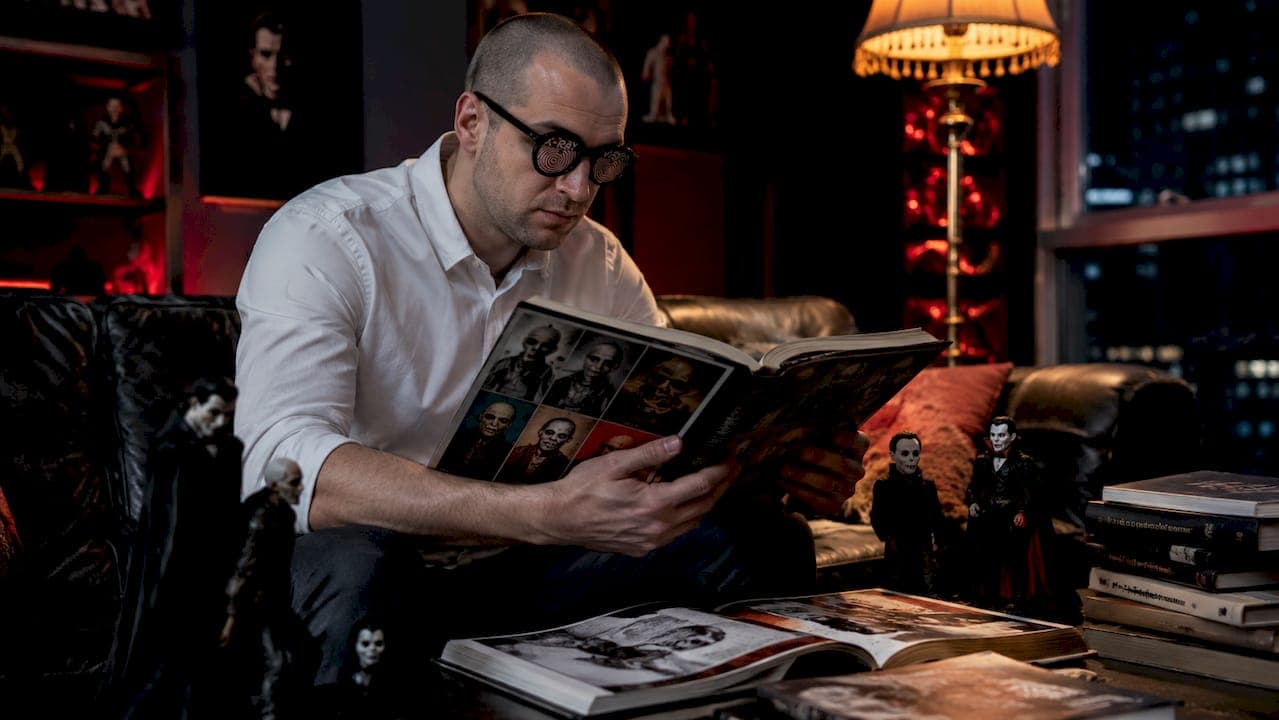
TL;DR:
- Scary monsters are classified into four broad categories: supernatural, mythological/folkloric, scientific, and real-life, reflecting human fears and storytelling origins. The most effective monsters follow clear internal rules, with 14 standardized types used in tabletop gaming and horror literature, such as aberrations, beasts, and monsters, each representing different primal fears or societal anxieties. Cultural context and consistent classification are essential for creating truly terrifying, believable monsters that resonate with audiences' deepest fears.
Scary monsters are defined as creatures that provoke fear through physical threat, supernatural power, or psychological dread, and they fall into four primary categories: supernatural, mythological/folkloric, scientific, and real-life. Whether you're a horror fan dissecting what makes Jason Voorhees terrifying or a storyteller building your own nightmare creature, understanding these types of scary monsters gives you a real creative edge. This guide covers the full taxonomy, from classic horror beasts to modern creature design, so you can appreciate, analyze, and create monsters that genuinely haunt.
1. the four broad categories of scary monsters
Monster taxonomy divides into four categories: Supernatural, Mythological/Folkloric, Scientific, and Real-Life. These categories reflect a monster's literary origin and the era of human fear it taps into.
- Supernatural monsters include demons, ghosts, and vampires. They operate outside natural law and draw power from spiritual or occult forces.
- Mythological/Folkloric monsters include giants, dragons, and ogres. They come from ancient storytelling traditions and carry cultural weight across generations.
- Scientific monsters include mutants, aliens, and man-made creatures. They reflect anxieties about technology, experimentation, and the unknown future.
- Real-life monsters include psychopaths and serial killers. Jason Voorhees is the defining example: a human-shaped predator whose terror comes from plausibility.
The four categories map onto two storytelling poles. Fantasy and the supernatural anchor the past. Science fiction and scientific horror point toward the future. Anchoring a monster clearly to one of these poles keeps your story logic consistent and your audience's suspension of disbelief intact.
The Gill-man from Creature from the Black Lagoon sits at a fascinating edge. He is an amphibious humanoid with a healing factor and superhuman strength, blending mythological creature traits with a scientific origin story. That hybrid quality is exactly what makes him memorable.
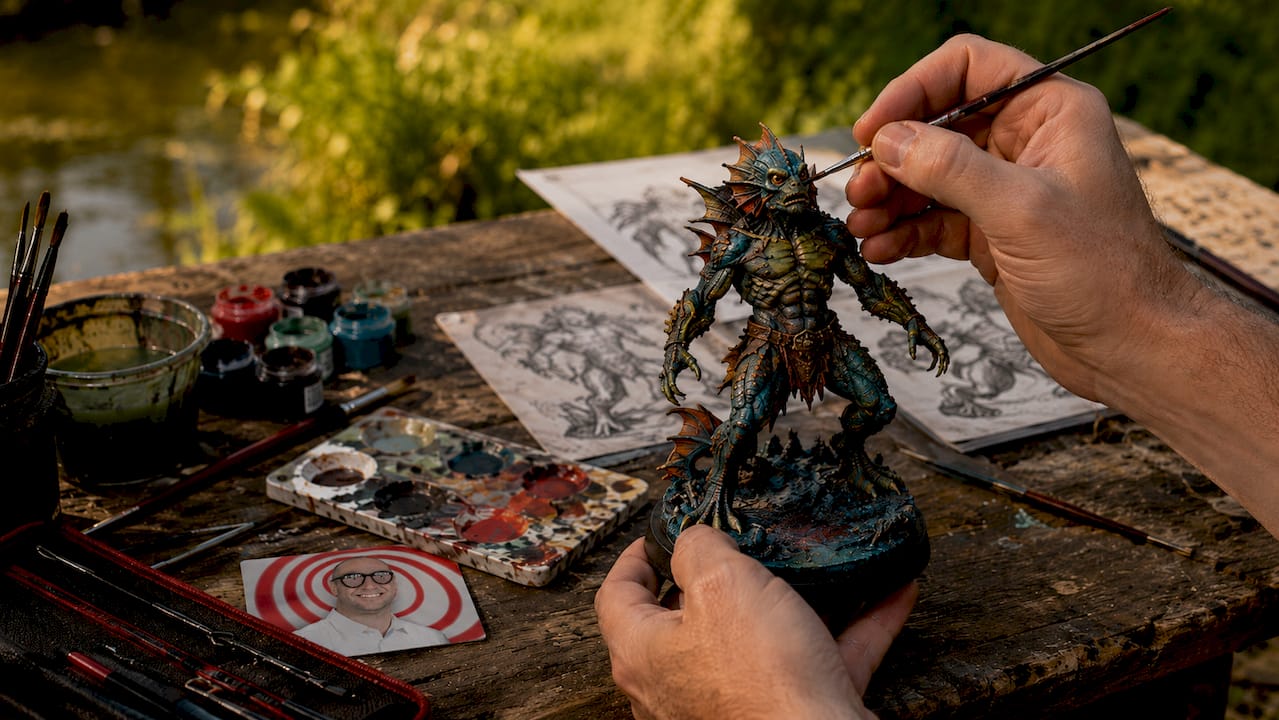
Pro Tip: When you build a monster, decide its pole first. Is it supernatural or scientific? Mixing both without internal rules is the fastest way to lose your audience.
2. the 14 standardized monster types in creature taxonomy
The most detailed classification system for nightmare beings comes from tabletop gaming. The Monster Manual 5th edition lists 14 creature types, each with distinct origins, behaviors, and narrative roles. Horror writers and game designers both use this framework.
Here are all 14 types with their core definitions:
- Aberration — Alien intelligences with bizarre anatomy, like mind flayers. They represent the unknowable.
- Beast — Natural animals with no magical origin, like a tyrannosaurus rex or a giant wolf.
- Celestial — Divine beings from higher planes, including angels. Terrifying when corrupted.
- Construct — Artificially created creatures, like golems or animated armor. Man-made horror.
- Dragon — Ancient, intelligent reptilian creatures with elemental breath. Classic horror beasts in every culture.
- Elemental — Creatures made of pure elemental matter: fire, water, earth, or air.
- Fey — Magical creatures tied to nature and trickery, like hags and sprites. Unsettling because they look almost human.
- Fiend — Demons and devils from lower planes. Pure malevolent intent in physical form.
- Giant — Enormous humanoids including hill giants, frost giants, and trolls.
- Humanoid — Human-shaped creatures with cultural societies, including goblins and orcs.
- Monstrosity — Unnatural creatures that defy easy categorization, like the Minotaur or Medusa. The catch-all for creepy monster variations that don't fit elsewhere.
- Ooze — Mindless, shapeless creatures that dissolve and consume. Deeply unsettling in their simplicity.
- Plant — Animate vegetation with hostile intent, like shambling mounds or assassin vines.
- Undead — Reanimated corpses and spirits, including zombies, vampires, and liches.
The key distinction between Beast and Monstrosity is origin. Beasts are natural animals. Monstrosities are creatures that should not exist. That single difference changes how a reader or player responds to them emotionally.
| Type | Origin | Horror Role |
|---|---|---|
| Undead | Death and reanimation | Fear of mortality and loss of self |
| Fiend | Supernatural evil | Pure malevolence and corruption |
| Monstrosity | Unnatural creation | Violation of natural order |
| Beast | Natural world | Primal survival fear |
| Construct | Artificial creation | Technology and control gone wrong |
Pro Tip: For storytelling, Monstrosities are your most flexible tool. They carry no required backstory, so you can design their origin to match your specific theme.
3. classic horror movie monsters and their types
Horror cinema has produced some of the most iconic scariest fictional creatures in human storytelling. Each one maps cleanly onto the taxonomy above, which is why they endure.
- Jason Voorhees (Friday the 13th) is the definitive real-life monster. A 2005 study found that Jason scored highest across all killing variables in a survey of 1,166 Americans aged 16 to 91. That data reflects something real: Jason works because he feels possible. Immortality and superhuman strength push him toward the supernatural, but his hockey mask and machete keep him grounded in human fear.
- The Xenomorph (Alien) is a pure scientific monster. It is extraterrestrial, biologically engineered for predation, and utterly indifferent to human life. Its horror comes from the violation of the human body.
- The Thing (The Thing, 1982) blends scientific and supernatural traits. It is alien in origin but shapeshifts like a supernatural entity. John Carpenter's genius was keeping its rules consistent: it can only mimic, not create.
- Gill-man (Creature from the Black Lagoon) is the most interesting hybrid. His amphibious humanoid traits, including tough skin and a healing factor, place him at the intersection of mythological creature and scientific discovery. His narrative arc toward near-human identity adds psychological depth that pure monsters rarely achieve.
"The most terrifying monsters are the ones that reflect something true about us. Jason Voorhees is not just a killer. He is the embodiment of every fear of being hunted, cornered, and unable to escape."
What these horror movie monsters share is a set of clear, consistent rules. You know what they want. You know they will not stop. That clarity is what makes them terrifying rather than confusing.
4. how cultural origins shape a monster's fear factor
Monsters mirror human anxieties and evolve with societal fears, which means their classification is emotional and cultural, not just biological. This is the insight most monster guides miss.
The Sphinx is the perfect example. In Greek mythology, the Sphinx destroys those who cannot answer her riddle. In Egyptian tradition, the Sphinx is a guardian and protector. Same creature, opposite function. The Sphinx's differing roles prove that a monster's function in a story matters more than its physical description. What does it want? What does it represent? Those questions determine its power.
Modern horror monsters follow the same pattern. Zombies represent fear of social collapse and loss of identity. Vampires embody anxieties about death, seduction, and transformation. Aliens carry the dread of technological advancement and contact with the incomprehensible. Each type of mythical being or scientific creature maps onto a specific cultural moment.
For storytellers, this means your monster needs a thematic anchor, not just a physical design.
- Choose a monster type that reflects your story's central fear.
- Define what the monster wants before you define what it looks like.
- Decide whether its origin is supernatural/mythological or scientific/future-facing, and stay consistent.
Pro Tip: If your monster scares you when you write it, it will scare your reader. Ground it in a fear you actually understand, whether that is loss of control, death, or being hunted.
5. using monster types to build original horror stories
Understanding creature taxonomy is a practical tool for writers, game designers, and horror fans who want to create something original. The classification system tells you what rules your monster plays by, and rules are what make monsters believable.
The most underused monster types for horror storytelling are Constructs, Oozes, and Fey. Constructs carry the horror of artificial intelligence and loss of human control. Oozes are terrifying because they have no face, no motive, and no mercy. Fey monsters like hags and redcaps are unsettling because they operate by alien logic that almost resembles human behavior.
Here are practical ways to use monster taxonomy in your creative work:
- Combine types with intention. A Fiend wearing a Humanoid face creates psychological horror. A Beast with Aberration-level intelligence creates existential dread. The combination must follow internal logic.
- Use psychological tension as your primary tool. Jason Voorhees's unstoppable pursuit creates more fear than any monster with a hundred special abilities. Relentlessness beats spectacle.
- Assign your monster a clear limitation. Dracula cannot enter without invitation. The Xenomorph cannot survive in cold. Limitations make monsters more frightening, not less, because they create rules the audience tracks obsessively.
- Study the history of horror literature to find forgotten creature types with untapped potential.
- Read guides on creating scary characters to translate monster taxonomy into page-level tension.
For RPG and interactive storytelling, the structure of text RPG quests shows how monster types function as narrative mechanics, not just combat stats. Each type signals a different kind of encounter and a different emotional response from the audience.
Key takeaways
The most effective scary monsters are defined by their category, cultural function, and internal rules, not by their physical appearance alone.
| Point | Details |
|---|---|
| Four core categories exist | Supernatural, Mythological/Folkloric, Scientific, and Real-Life each produce distinct fear responses. |
| 14 standardized types provide depth | The Monster Manual framework gives writers and designers precise tools for monster classification. |
| Cultural function drives fear | A monster's role and what it represents matters more than how it looks. |
| Consistency is non-negotiable | Mixing supernatural and scientific origins without clear rules destroys audience trust. |
| Psychological tension beats spectacle | Relentless, rule-bound monsters like Jason Voorhees outperform visually complex ones in lasting impact. |
Why monster classification still excites me
I have spent years reading, writing, and thinking about what makes a monster genuinely terrifying. Here is what I keep coming back to: the scariest monsters are not the most powerful ones. They are the most specific ones.
When I first encountered the four-category taxonomy, it changed how I read horror. Suddenly I could see why certain monsters worked and others fell flat. A ghost that follows no rules is just noise. A ghost with one specific, obsessive purpose? That is a nightmare.
The 14-type system from tabletop gaming gets dismissed by literary purists, but I think that is a mistake. Those categories encode centuries of storytelling wisdom about what different creatures mean to human psychology. Undead represent our fear of death refusing to stay dead. Aberrations represent the terror of minds we cannot comprehend. That is not game design. That is mythology.
What I find most exciting right now is how creators are blending types in ways that feel fresh. The Fey category is criminally underused in horror fiction. Creatures that operate by almost-human logic, that want things we almost understand, are far more disturbing than pure monsters. If you are building a story and you want to unsettle your reader rather than just scare them, start there.
Monster classification is not an academic exercise. It is a map to the fears that keep us up at night.
— Mark
Discover monster stories that will keep you up at night
If this breakdown of nightmare beings has your imagination running, Markwatsonbooks has exactly what you need next.

Mark Watson's Creepypasta horror collections pull from the darkest corners of internet folklore, featuring the kind of monsters that blur every category you just read about. These are not clean, classifiable creatures. They are the ones that follow you home. Browse the full horror book collection to find stories built around the monster types that fascinate you most. Whether you want supernatural dread, scientific horror, or something that defies every label, there is a story waiting. START READING NOW.
FAQ
What are the main types of scary monsters?
The four main types are Supernatural, Mythological/Folkloric, Scientific, and Real-Life, each defined by origin and the human fear it represents. These categories have been used since the late 19th century to organize monster storytelling.
What are the 14 creature types in monster taxonomy?
The 14 types are Aberration, Beast, Celestial, Construct, Dragon, Elemental, Fey, Fiend, Giant, Humanoid, Monstrosity, Ooze, Plant, and Undead, as defined in the Monster Manual 5th edition.
Why is jason voorhees considered the scariest horror monster?
A 2005 survey of 1,166 Americans found Jason Voorhees scored highest across all killing variables, driven by traits like immortality, superhuman strength, and relentless pursuit.
How do cultural origins affect a monster's scariness?
A monster's function in its culture shapes its fear factor more than its appearance. The Sphinx, for example, is a destroyer in Greek myth and a protector in Egyptian tradition, proving that monster function drives emotional impact.
How should writers choose a monster type for their story?
Writers should anchor monsters to one pole, either supernatural/mythological or scientific/future-facing, and define the monster's function before its physical form to maintain story logic and reader trust.