

TL;DR:
- Educational fiction includes stories that teach morals, history, and cultural understanding through narrative. Different genres like fables, fairy tales, and myths suit specific age groups and learning goals, aiding comprehension and cultural empathy. Modern formats such as graphic novels, climate fiction, and school stories expand engagement and develop critical literacy skills.
Educational fiction is defined as narrative literature designed to teach morals, history, cognitive skills, or cultural understanding through story. The term "didactic literature" is the recognized literary standard for this category, though "educational fiction" captures the same idea in modern classroom language. Both terms cover a wide range of formats, from ancient fables to contemporary climate fiction. Understanding the distinct types of educational fiction helps educators select the right text for the right learning goal, and helps readers find stories that do more than entertain.
1. Types of educational fiction: fairy tales, fables, and myths
These three genres form the oldest layer of educational storytelling. Each one targets a different learning outcome, and each works best at a different grade level.
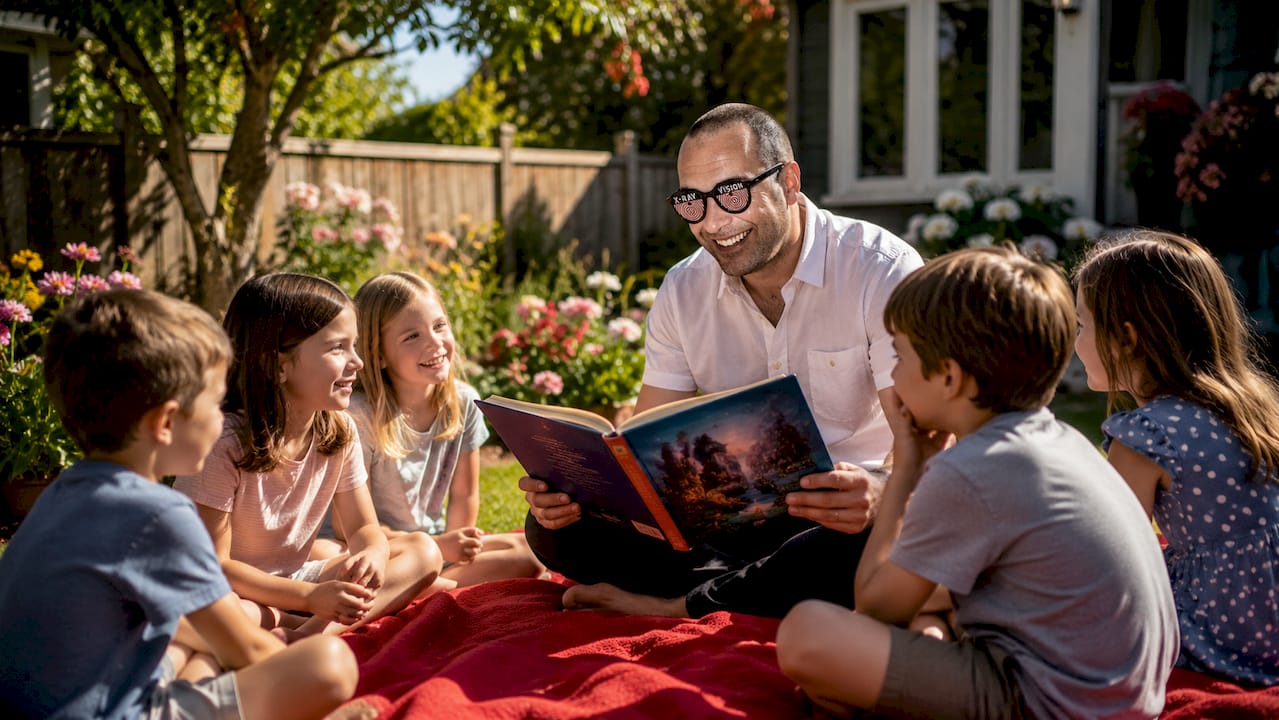
Fables teach moral behavior to elementary students through personified animals making choices with clear consequences. Aesop's fables are the most recognized example, but traditions from West Africa, South Asia, and Latin America offer equally rich material. The short format makes fables easy to analyze, even for young readers.
Fairy tales build narrative structure understanding for middle school students. They follow a reliable arc: an ordinary world, a disruption, a test, and a resolution. That predictability is a teaching tool. Students who recognize the arc in one fairy tale can spot it in novels, films, and news stories.
Myths explain natural phenomena and societal values for high school learners. Greek, Norse, and Indigenous American myths all encode a culture's beliefs about the world. Analyzing multiple cultural versions of the same myth type reveals underlying societal values that no textbook summary can match.
- Fables: Short, animal-centered, moral at the end. Best for grades K–5.
- Fairy tales: Magical settings, good vs. evil conflict, narrative arc. Best for grades 4–8.
- Myths: Cultural origin stories, symbolic characters, societal values. Best for grades 7–12.
Pro Tip: Pair the same story type from two different cultures side by side. Comparing Cinderella variants from China, Egypt, and France builds cultural empathy faster than any discussion prompt alone.
You can read more about how these classic forms function as educational tools for children in the Markwatsonbooks blog.
2. Historical fiction and realistic fiction in educational contexts
These two genres sit at the center of most school reading lists, and for good reason. Both ground students in real human experience, just from different time periods.
Historical fiction features settings no later than one generation before the author's writing. The best examples blend documented facts with invented characters and dialogue. Studies with elementary students show that historical fiction builds content knowledge and critical literacy at the same time. Students learn to ask: what is real here, and what did the author imagine?
Realistic fiction portrays contemporary, believable situations without fantasy elements. It mirrors the world students already live in, which makes it ideal for teaching empathy and social awareness. A student reading about a character navigating poverty, immigration, or family conflict sees their own experience reflected, or gains a window into someone else's.
| Feature | Historical fiction | Realistic fiction |
|---|---|---|
| Setting | Past, often documented era | Present day, believable world |
| Characters | Mix of real and invented | Fully invented, relatable |
| Primary purpose | Teach history, build empathy | Teach social awareness, empathy |
| Best grade level | Grades 3–12 | Grades K–12 |
| Key skill developed | Fact vs. fiction discernment | Critical literacy, perspective-taking |
Pro Tip: After reading a historical fiction chapter, ask students to list three facts they could verify and one detail they think the author invented. That single exercise sharpens critical literacy more than a comprehension quiz.
3. The bildungsroman and coming-of-age narratives
The bildungsroman is a specific literary form, not just any story about growing up. Bildungsroman requires an arc of internal psychological and moral formation. The protagonist starts with a flawed or incomplete worldview and ends with a more mature, tested one. That internal shift is what separates it from a general coming-of-age story, which may focus more on external events like first love or leaving home.
Understanding this distinction matters for educators. A coming-of-age story can entertain and relate. A bildungsroman teaches moral complexity. It shows a character wrestling with identity, society, and conscience, and arriving somewhere changed. That process mirrors what adolescents experience, which is why the form resonates so strongly in middle and high school classrooms.
Teaching strategies that work well with this genre include:
- Character mapping: Track the protagonist's beliefs at the start, midpoint, and end of the novel.
- Conflict analysis: Identify the internal conflict driving each chapter, separate from the plot conflict.
- Societal pressure discussion: Ask students what forces in the story push the protagonist toward or away from growth.
- Comparison writing: Compare the protagonist's moral position at chapter one and the final chapter using direct text evidence.
The bildungsroman also pairs well with storytelling techniques that emphasize character interiority, making it a strong choice for teaching narrative craft alongside moral reasoning.
4. Modern educational fiction genres and emerging trends
Contemporary categories of learning fiction have expanded well beyond the classics. Young adult fiction, graphic novels, novels in verse, and climate fiction each bring something the traditional canon does not.
Young adult fiction centers on identity, self-discovery, and belonging. It takes adolescent experience seriously, which earns reader trust. That trust is what makes the genre so effective for teaching social-emotional learning alongside literary skills.
Researchers Martinez, Stortz, and Harmon find that teaching the conventions of graphic novels and novels in verse significantly improves reading comprehension and engagement. Graphic novels require readers to interpret visual storytelling alongside text, a skill that transfers directly to media literacy. Novels in verse teach economy of language and emotional precision.
Climate fiction, often called cli-fi, uses speculative near-future settings to explore environmental collapse and human responsibility. It connects science curriculum to narrative in a way that textbooks rarely achieve. Magical realism, associated with authors like Gabriel García Márquez, uses fantastical elements within realistic settings to explore cultural identity and political history.
- Young adult fiction: Identity, belonging, social-emotional learning. Grades 6–12.
- Graphic novels: Visual literacy, media interpretation, engagement. All grades.
- Novels in verse: Emotional precision, poetic language, accessibility. Grades 4–10.
- Cli-fi: Environmental science, ethics, speculative thinking. Grades 7–12.
- Magical realism: Cultural identity, political history, symbolic thinking. Grades 9–12.
Stories in these formats also find second lives online, extending classroom conversations into digital communities where students engage with themes long after the final page.
5. The school story genre: social learning through fiction
The school story is one of the most underrated educational novel genres. The school story genre has evolved from elite boarding school settings to inclusive, diverse day schools that mirror real student environments. That shift makes the genre more relevant now than it was a century ago.
The core themes of loyalty, friendship, bullying, and identity remain constant across the genre's history. What changes is the social context. Modern school stories address racism, disability, gender identity, and economic inequality in ways that older examples never did. That evolution makes the genre a direct mirror of the classroom itself.
Educators use school stories to open conversations about peer dynamics without putting individual students on the spot. A fictional character's experience with exclusion or belonging gives the class a shared reference point. That shared reference is one of the most effective tools in social-emotional learning.
6. How to choose educational fiction for different learning goals
Matching the right genre to the right learning goal is the most practical skill an educator or reader can develop. Children's literature is most powerful when analyzed for form, structure, and approach rather than treated as a simple information source.
The table below summarizes key educational features by genre to help you match text to goal.
| Genre | Best for teaching | Ideal grade range | Core skill |
|---|---|---|---|
| Fables | Moral reasoning | K–5 | Ethical thinking |
| Fairy tales | Narrative structure | 4–8 | Story comprehension |
| Historical fiction | History, empathy | 3–12 | Critical literacy |
| Realistic fiction | Social awareness | K–12 | Perspective-taking |
| Bildungsroman | Moral development | 7–12 | Character analysis |
| Graphic novels | Visual literacy | All grades | Media interpretation |
| Cli-fi | Environmental ethics | 7–12 | Speculative reasoning |
For elementary classrooms, fables and fairy tales offer the clearest entry point. The moral is explicit, the arc is short, and the language is accessible. For middle school, realistic fiction and school stories connect directly to students' lived experience. For high school, the bildungsroman, historical fiction, and cli-fi offer the complexity that older students need to develop genuine critical thinking.
Pro Tip: Build a genre rotation across a school year rather than staying in one category. Students who read across multiple chapter book genres develop stronger reading flexibility and deeper literary understanding.
Key takeaways
Educational fiction works best when genre is matched deliberately to learning goals, developmental level, and the specific skills an educator or reader wants to build.
| Point | Details |
|---|---|
| Genre shapes learning outcome | Each fiction type targets a distinct skill, from moral reasoning in fables to critical literacy in historical fiction. |
| Bildungsroman vs. coming-of-age | Bildungsroman targets internal moral growth; general coming-of-age stories focus on external events. |
| Modern formats expand engagement | Graphic novels and novels in verse improve comprehension when their conventions are explicitly taught. |
| Genre rotation builds flexibility | Rotating across fiction types across a school year develops stronger, more adaptable readers. |
| Analysis over summary | Moving beyond plot summary to analyze form and structure is what makes educational fiction genuinely powerful. |
Why fiction taught me more than any curriculum ever did
I've spent years writing across genres, and the one thing that keeps proving itself true is this: the story form teaches what direct instruction cannot. A child who reads a fable about a crow and a pitcher understands cause and effect in a way no worksheet replicates. A teenager who reads a bildungsroman and recognizes their own confusion in the protagonist's choices feels seen in a way that no lecture achieves.
What I find undervalued in most conversations about educational fiction is the school story genre. People dismiss it as dated or niche. But the shift from boarding school elitism to diverse, contemporary day school settings has made it one of the most socially relevant genres available. A well-written school story puts a student's daily social world on the page and asks them to think about it critically. That is rare and worth more than people give it credit for.
I also think educators underestimate what happens when you teach genre conventions explicitly. When a student understands that a graphic novel uses panel size to control pacing, or that a novel in verse uses white space to create emotional weight, they read everything more carefully. That skill transfers. It shows up in how they read news articles, social media posts, and political speeches.
The best educational fiction does not feel like medicine. It feels like a story you cannot put down. That tension between pleasure and learning is exactly where the most powerful reading happens. Seek out texts that live in that space, and your students will too.
— Mark
Fiction for every reader at Markwatsonbooks
Markwatsonbooks brings together a wide range of fiction titles built for readers who want stories that do more than pass the time.

Whether you are an educator building a classroom library or a reader looking for your next absorbing story, the full books collection at Markwatsonbooks covers children's fiction, genre-blending thrillers, and anthology formats that span multiple reading levels. The children's books collection is a strong starting point for educators focused on younger readers. Each title comes with a full summary so you can match the book to your learning goal before you commit. Browse, read, and find the story that fits.
FAQ
What is educational fiction?
Educational fiction is narrative literature designed to teach morals, history, cognitive skills, or cultural understanding through story. The recognized literary term for this category is didactic literature.
What are the main types of educational fiction?
The main categories include fables, fairy tales, myths, historical fiction, realistic fiction, bildungsroman, graphic novels, and climate fiction. Each targets a distinct learning outcome and works best at a specific grade level.
How does historical fiction differ from realistic fiction?
Historical fiction is set no later than one generation before the author's writing and blends documented facts with invented characters. Realistic fiction portrays contemporary, believable situations without historical or fantastical elements.
What makes the bildungsroman different from other coming-of-age stories?
The bildungsroman requires an arc of internal psychological and moral formation, not just external maturity. That internal shift is what separates it from broader coming-of-age narratives focused on events rather than character transformation.
Why should educators teach genre conventions explicitly?
Teaching genre conventions such as graphic novel panel structure or novel-in-verse spacing significantly improves reading comprehension and engagement. Students who understand how a format works read more carefully and think more critically about what they read.