
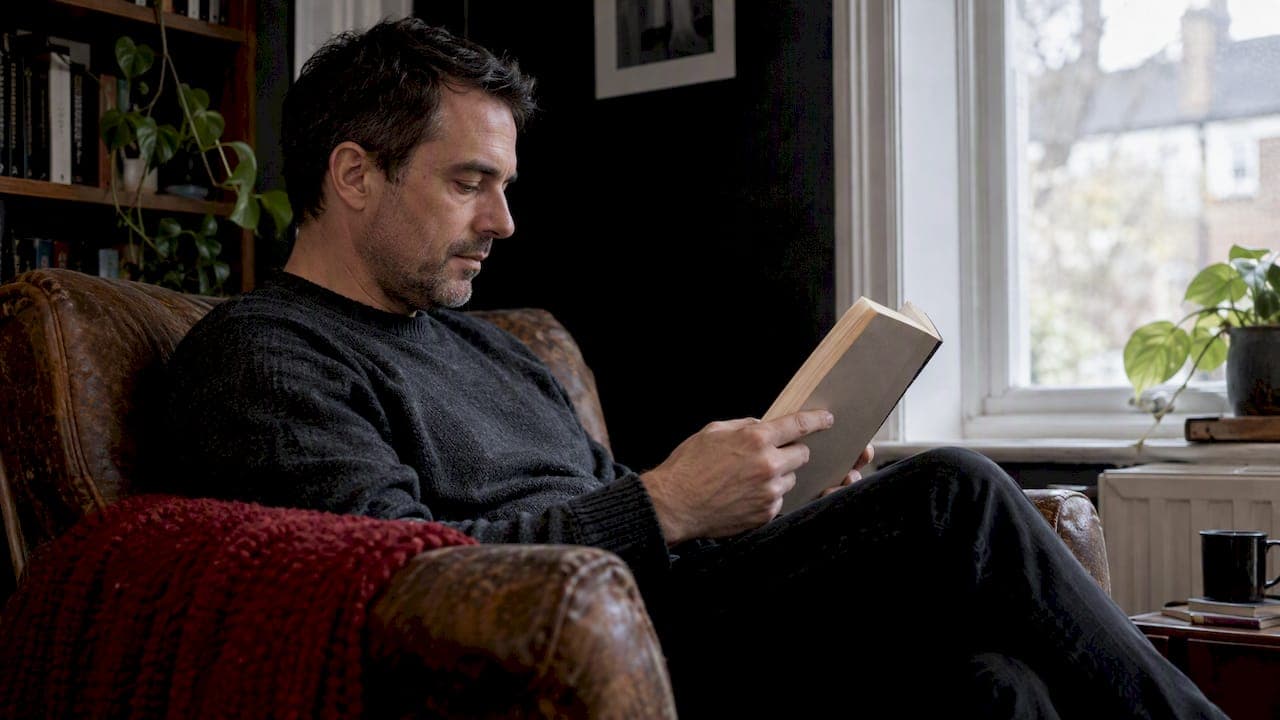
Slow-burn horror is fiction that tightens psychological pressure across small, cumulative moments rather than relying on sudden shocks. We built this guide to help you spot the real thing, pick a book that matches your appetite for dread, and find your next read through our own curated horror and Creepypasta collections at MarkWatsonBooks.
TL;DR:
- Look for recurring details that change meaning, sensory clues, increasingly clipped sentences, and a midpoint reveal that prevents the story’s tension from sagging.
- Preview chapter breaks and the opening voice, then sample a page near the middle; sustained tension without an obvious scare signals effective pacing.
- Choose short, sharply divided chapters for quicker dread, or long, unbroken chapters if you prefer slower immersion and can tolerate unanswered questions.
- Read in one focused sitting without phone alerts or background noise; Creepypasta Books offers shorter stories, while the Horror collection features longer reads.
Table of Contents
- What separates slow burn horror from merely slow fiction
- Hallmarks and craft techniques that create lasting dread
- How to choose the right slow-burn book for your tastes
- Mark on pacing, atmosphere, and what makes a slow burn work
- Where to find Mark's slow burn and Creepypasta picks
- FAQ
- Sources
What separates slow burn horror from merely slow fiction
Plenty of books move slowly without going anywhere. Slow-burn horror is different: tension keeps climbing underneath a calm surface, even when nothing dramatic appears to happen on the page. A review of a recent slow-burn thriller points out that restraint only works when it trusts readers to interpret clues, not when it simply withholds action for its own sake.
The mode leans on a handful of reliable vehicles to keep that pressure active:
- An unreliable narrator whose account slowly cracks under scrutiny
- A hidden past that resurfaces in fragments instead of one reveal
- An obsession that quietly reshapes a character's choices
- A setting that seems to shift or turn against the people in it
Atmosphere does real narrative work here. According to one analysis of what makes slow-burn horror unsettling, small recurring displacements, a door left open, a sound out of place, function as evidence the reader has to piece together, not just mood dressing.
Hallmarks and craft techniques that create lasting dread
Once you know what to look for, genuine slow-burn craft is easy to spot on the page. Watch for these signals:
- Sentence rhythm that tightens. Short, clipped lines appear more often as danger grows closer.
- Repetition with a twist. The same image or phrase returns, altered just enough to feel wrong.
- Sensory specificity. Texture, smell, and especially sound carry information, not just color.
- Ambient detail as plot. A creaking floor or a shifted object tells you something changed.
- A midbook turn. A reveal or structural shift re-energizes stakes before momentum sags.
That last point matters more than readers expect. Critic commentary on slow-burn fiction identifies the "saggy center" as the genre's biggest risk, and argues that a well-placed midway twist is often what makes a slow burn feel satisfying rather than simply slow.
Pro Tip: If a slow-burn novel feels stalled around the one-third mark, check for a shift in point of view or a small confession buried in dialogue. That is usually where the real turn is hiding.

How to choose the right slow-burn book for your tastes
Not every slow burn fits every reader, and a quick preview tells you more than a back-cover blurb ever will. Before you commit, check:
- Chapter length and breaks. Short chapters with hard cuts often signal faster dread; long, unbroken chapters suit patient readers.
- Narrative voice. Read the first page aloud in your head. If the voice feels intimate and watchful, that is a good sign.
- A random mid-book excerpt. Open to the middle and read a page. If tension is still present without a visible "scare," the book is doing its job.
- Ambiguity tolerance. Slow burns rarely explain everything. If you need answers fast, this is not your mode tonight.
Reading conditions matter just as much as the book itself. Slow-burn horror rewards a single, focused sitting, free of phone notifications and background noise, because divided attention flattens the cumulative effect the author worked to build.
A quiet room and an hour of uninterrupted reading will do more for a slow burn than any lighting or soundtrack. The tension is built sentence by sentence, and it collapses the moment your attention splits.
Mark on pacing, atmosphere, and what makes a slow burn work

I think the hardest part of writing a slow burn is trusting silence. The temptation is always to explain the dread, but the version that actually unsettles a reader is the one that lets an ordinary detail, a sound, a repeated object, carry the weight instead. Patience only pays off when every quiet page is still moving the story forward.
If you want the craft side of this, I write about it directly in Building Atmosphere in Horror: A Creator's Guide and in How to Create Scary Characters That Haunt Readers, both of which shaped how I approach pacing in my own collections.
— Mark
Where to find Mark's slow burn and Creepypasta picks
If tonight calls for something that creeps rather than jumps, our Horror collection and Creepypasta Books are built around exactly that kind of patient dread.

- Browse the full Horror collection for longer, atmosphere-driven reads.
- Explore Creepypasta Books for shorter, mood-first stories you can finish in one sitting.
- If you want chapter previews before you buy, Find the Right Psychological Horror Books by Mood is a useful place to sample tone across genres.
Start with Creepypasta: Origins tonight, and let the dread build at its own pace.
FAQ
What is the scariest horror book ever written?
There is no single agreed-upon answer, since fear is personal and genre-dependent, but slow-burn horror is often cited as some of the most unsettling because it lingers rather than startles. Books that favor restraint and interpretation over shock tend to stay with readers longest, according to critical analysis of the slow-burn mode.
What are some good slow burn novels?
Strong slow burns favor atmosphere, an unreliable or obsessive narrator, and a setting that slowly turns unfamiliar. Our Creepypasta titles and full Horror collection are built around that same patient escalation, and short-novella collections, like the picks in 15 One Sitting Horror Novellas to Read Tonight, are a good way to sample the mode quickly.
What is a slow burn horror?
Slow-burn horror is fiction that escalates psychological pressure gradually through atmosphere, repetition, and withheld explanation rather than sudden scares. Small recurring details, a sound, an object, a shift in a character's behavior, function as evidence the reader pieces together over time.
What is the best slow burn thriller of all time?
There is no single definitive answer, since the category spans decades and styles, but critics consistently point to restrained, interpretation-driven storytelling as the mode's strongest expression. A recent review of a spare, slow-burn thriller describes exactly this kind of payoff, where trust in the reader replaces exposition.
Sources
The following catalog was built with this exact kind of patient dread in mind, and these are recommended picks to start with.
- What Makes a Slow Burn Horror Film So Unsettling?
- What We Talk About When We Talk About ... Slow-Burn Novels
- 'Islands' is a spare and satisfying slow-burn thriller | KPBS Public Media
Sample the opening pages of each before committing a full evening, the voice alone will tell you whether the dread is built for you.