
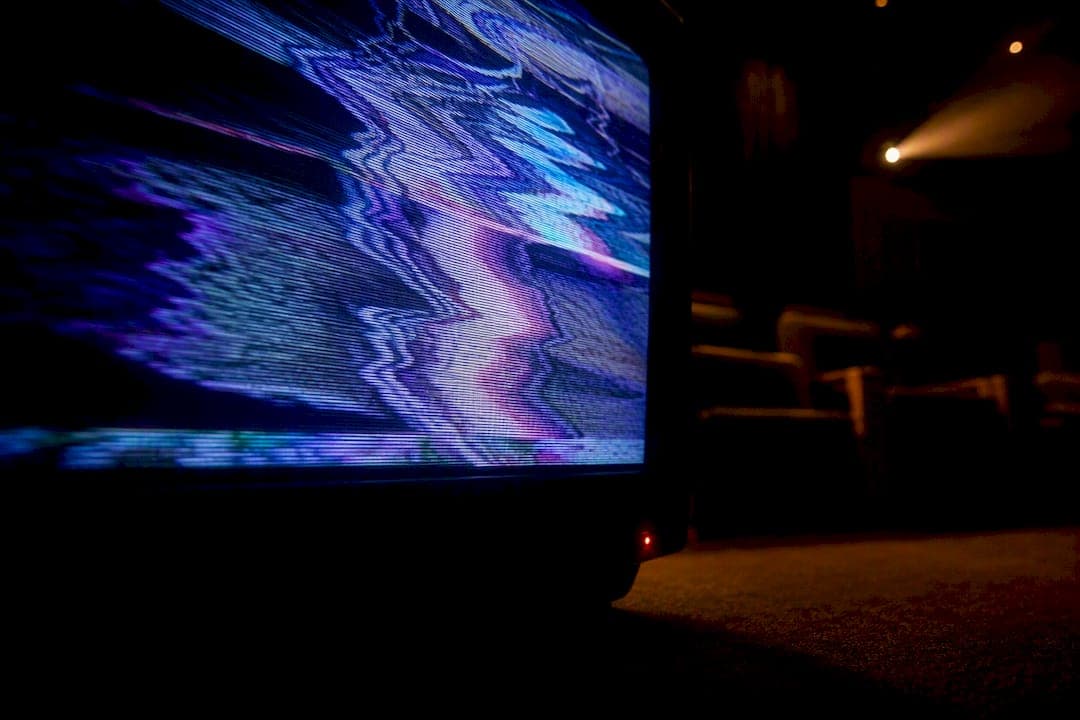
Internet horror is a cluster of internet-native horror forms, including analog horror, creepypasta, screenlife, and liminal or Backrooms pieces, that use platform design and low-fi aesthetics to make the ordinary uncanny. Each subgenre grew up on a different corner of the web, from YouTube to Reddit, and each one exploits its home platform's quirks to unsettle you. This guide breaks down the categories, names the essential works, and shows you where to start.
TL;DR:
- Analog horror heavily relies on VHS-style visuals and broadcast authenticity, with YouTube channels like Local 58 pioneering the aesthetic.
- Creepypasta thrives on short, text-based stories spread across forums and wikis, with First-person narration popular on r/NoSleep shaping the tone.
- Screenlife horror uniquely uses digital interfaces like webcams and chat windows to create immersive, real-time tension within a single device.
- Liminal and Backrooms horror evoke fear through architecture and space, employing psychological discomfort from familiar yet distorted environments.
- Engaging with the genre requires understanding platform-specific storytelling rules, provenance, and format, not just popular titles or viral formats.
Table of Contents
- What Counts as Internet Horror? The Four Main Subgenres
- Where Should You Start? A Curated Watchlist
- Why Does Internet Horror Actually Scare You?
- Where Do You Actually Find Good Internet Horror?
- What Should You Know Before Diving In?
- A Curator's Take: My Path Into Internet Horror
- The Real Lesson From Internet Horror's Rise
- Keep Exploring: Mark Watson's Horror Collections
- Sources
What Counts as Internet Horror? The Four Main Subgenres
Ask five fans to define internet horror and you'll get five slightly different answers, but the genre really breaks down into four recognizable forms. Each one is tied to a specific platform, format, or aesthetic, and that connection is not incidental. The medium shapes the scare.
Analog horror mimics late-20th-century broadcast television and VHS recordings. Think cryptic public service announcements, warped color grading, and a sense that you're watching something that was never meant to be found. Local 58 built its reputation on exactly this trick: fake emergency broadcasts that feel plausible enough to make your stomach drop.
Creepypasta is the text-first branch of the family. These are digital folk tales, often just a paragraph or two, spread across forums, wikis, and story-sharing subreddits. The genre traces back to message boards like 4chan in the 2000s before consolidating on hubs like r/NoSleep and the Creepypasta Wiki. Some entries stay short. Others sprawl into multi-part serials with their own mythology.
Screenlife horror confines its story to a single screen, usually a phone, laptop, or desktop. The device itself becomes the stage. You watch a character's cursor move, a chat window fill with messages, a webcam feed glitch, and the found-footage tension comes entirely from watching digital life unfold in real time.
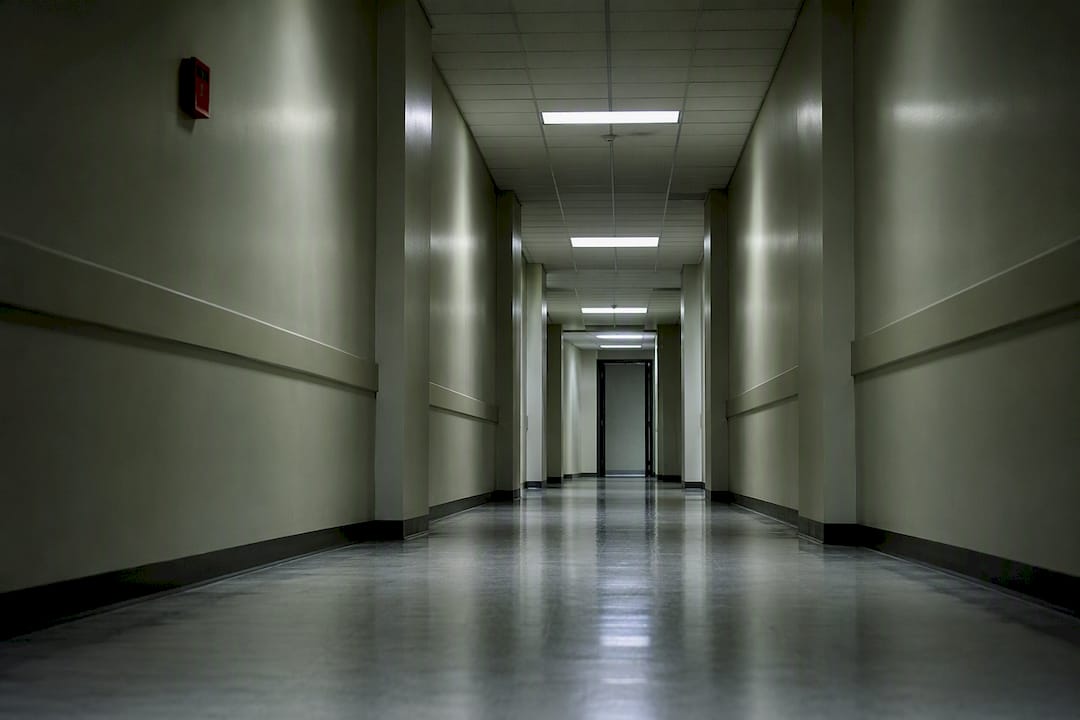
Liminal and Backrooms horror leans on architecture rather than plot. Empty offices, endless motel hallways, and fluorescent-lit hotel pools that feel almost right but not quite. This unease has a name in psychology and design theory: liminality, the discomfort of being caught between two states or spaces.
A few things distinguish these subgenres in practice:
-
Analog horror lives almost entirely on YouTube, built around episodic mystery and slow-burn lore.
-
Creepypasta thrives as text, spreading through copy-paste culture, wiki edits, and forum threads.
-
Screenlife horror depends on devices as narrative surfaces, not just settings.
-
Liminal and Backrooms horror trades jump scares for architectural dread and a sense of being lost somewhere familiar.
Where Should You Start? A Curated Watchlist
If you're new to the genre, jumping straight into a three-hour analog horror lore deep-dive is a mistake. Start small, build context, then go deeper. Here's an entry order that mixes formats so you get a real feel for what internet horror can do.
- Local 58 — The best entry point into analog horror. Short episodes, self-contained scares, and a broadcast aesthetic so convincing you'll want to check your own TV listings.
- Ben Drowned — One of the earliest and most influential creepypasta-adjacent ARG projects, built around a haunted copy of The Legend of Zelda: Majora's Mask. It set the template for interactive, participatory horror online.
- No Through Road — Widely cited as a foundational analog horror work from 2009, years before the subgenre had a name. Watch it to understand where the aesthetic actually started.
- r/NoSleep front page (any given week) — Pick three stories at random. The first-person immersion rule the subreddit enforces gives you a fast education in creepypasta's psychological register.
- The Mandela Catalogue — A sprawling analog horror mythology involving doppelgangers and corrupted broadcasts. Dense lore, but the early episodes stand alone well.
- The Backrooms (Kane Pixels series) — The definitive liminal horror project. Short, VFX-heavy episodes that turned a single creepypasta image into a full mythology and eventually a feature adaptation.
- A Creepypasta Wiki "classic" like Slender Man's origin thread — Read the original posts, not just the pop-culture aftermath. It's a useful lesson in how a simple image and a caption became a cultural phenomenon.
- A screenlife short film on a festival platform or indie channel — Search for recent screenlife shorts to see how filmmakers use webcams, chat windows, and desktop interfaces as horror devices.
- A long-form creepypasta serial (several exist on r/NoSleep with ongoing installments) — Good for understanding how internet horror sustains dread over dozens of chapters instead of one scare.
Pro Tip: Build your watchlist in the order above rather than jumping to the most famous title first. Analog horror and screenlife both reward context, and starting with a sprawling mythology like The Mandela Catalogue before you understand the genre's basic grammar will leave you more confused than scared.
Why Does Internet Horror Actually Scare You?
The scares in internet horror rarely come from gore. They come from the platform itself acting like a character in the story. Comments sections, timestamps, reposts, and glitchy UI elements aren't decoration. They're structural, and academic work on creepypasta as digital fiction argues the platform's own affordances actively shape what the story means.
That framing explains a lot about why a fake emergency broadcast unsettles you more than a polished horror movie trailer. You've seen real emergency broadcasts. You've scrolled past real forum threads at 2 a.m. The format is familiar, which makes the fiction inside it feel dangerously plausible.
Research comparing roughly 23,000 creepypasta stories across Reddit and the Creepypasta Fandom wiki found a shared stylistic core across both platforms, but one strong platform-specific effect: r/NoSleep's rule requiring first-person narration and a commitment to treating the story as true. That single rule changes the register of the fear. It becomes quieter, more psychological, less grotesque than looser platforms tend to allow.
Liminal aesthetics tap into something else entirely. Editorial analysis of the genre's recent mainstream surge points to economic precarity, climate anxiety, and algorithmic opacity as undercurrents running beneath the empty hallways and buzzing fluorescent lights. The Backrooms doesn't need a monster because the space itself already feels like something has gone wrong with the world.
Novelty plays a role too. Found-footage horror worked partly because audiences hadn't built up defenses against it yet. Internet horror keeps finding new formats, screenlife, ARGs, algorithm-driven horror, precisely because each new medium resets that suspension of disbelief.
Where Do You Actually Find Good Internet Horror?
Finding quality work in this genre means learning to filter noise from craft, and each platform has its own signals worth watching for.
- On YouTube, check a channel's upload history before committing to a series. Consistent posting and a coherent visual style over months or years usually separates a serious analog horror creator from a one-off upload.
- On r/NoSleep, remember the first-person immersion rule shapes tone. Expect restraint and psychological dread rather than graphic content, and treat heavily upvoted, well-commented threads as a decent quality filter.
- On the Creepypasta Wiki, sort by rating and check edit history. Stories with long-standing edit trails tend to be community favorites rather than recent copy-paste jobs.
- For indie screenlife shorts, film festival archive pages and small distributor channels are usually more reliable than random uploads with vague descriptions.
Building a real watchlist or reading list takes a bit of intention. Pull three or four sources, an analog horror channel, a creepypasta hub, a screenlife short, and rotate through them weekly rather than binging one format until it goes stale. Cross-reference metadata: does the creator have a consistent handle across platforms, a stable posting history, or a linked personal site? Those provenance signals are the fastest way to tell an authored piece worth your time from a hoax or a low-effort repost, a distinction that matters more in a genre built partly on convincing you something might be real.
What Should You Know Before Diving In?
Internet horror leans hard on psychological dread, but some entries include disturbing imagery, body horror, or themes around self-harm and paranoia that deserve a heads-up.
- Common triggers include depictions of stalking, missing children, medical horror, and sudden visual distortion (common in analog horror).
- Read a plot summary or watch the first two minutes before committing, especially with unfamiliar analog horror channels.
- Watch with a friend if a series has a reputation for intensity, and skip the comments section if speculation and fan theories tend to spoil or amplify the dread.
- Parents looking for gentler entry points should stick to well-moderated, PG-adjacent creepypasta collections rather than open YouTube search results, where tone can shift wildly between episodes.
A Curator's Take: My Path Into Internet Horror
Internet horror earns its scares differently than a haunted house novel does. It doesn't need three hundred pages of atmosphere. It needs one convincing broadcast, one plausible forum post, and your own memory of scrolling too late at night doing the rest of the work for it. That's why I think this genre deserves more respect than it gets from horror purists who dismiss it as internet ephemera.
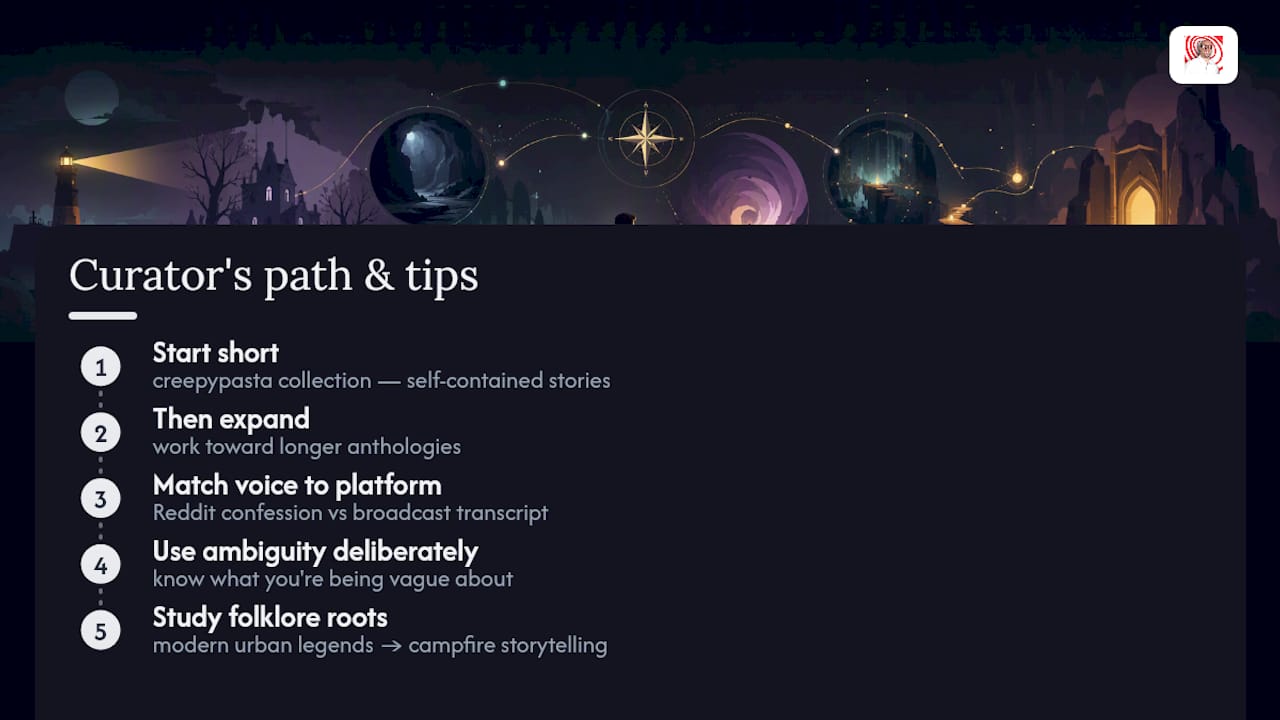
If you're building a reading path, start where the creepypasta collection on this site begins, with shorter, self-contained stories, before working toward longer anthologies. The rhythm mirrors how the genre actually developed: brief forum posts first, denser mythologies later.
Three tips if you want to write your own digital horror: keep your narrator's voice consistent with the platform you're using, since a Reddit-style first-person confession reads differently than a broadcast transcript. Use ambiguity as a tool, not a crutch. Vague dread is only good if you know exactly what you're being vague about. Finally, study the folklore roots behind modern urban legends; most internet horror is just campfire storytelling with a Wi-Fi signal.
The Real Lesson From Internet Horror's Rise
Most guides to this genre treat it as a novelty, a YouTube curiosity that got weirdly popular. I think that undersells what's actually happening. Internet horror succeeded because it took a structural insight seriously: the platform is not neutral packaging. It's part of the scare.
The conventional advice, "just watch the popular series," misses the point. Popularity tells you what spread, not what's well-made or worth your time. What matters more is understanding why a format works, so you can tell a genuinely crafted analog horror series from one riding on aesthetic alone.
If you take one thing from this guide, prioritize provenance and format literacy over chasing whatever's trending. Learn to read a creator's history, understand why r/NoSleep's rules produce a different fear than an open forum, and you'll get more out of this genre than most casual viewers ever do.
— Mark
Keep Exploring: Mark Watson's Horror Collections
If the watchlist above left you wanting more stories in this vein, Markwatsonbooks gathers curated, internet-born horror fiction in a format you can actually keep on a shelf, no algorithm required. The Creepypasta Books collection pulls together the kind of digital folklore this article covers: short, sharp, unsettling tales built for readers who already know what a "lost episode" story feels like.

Start with the Creepypasta Omnibus One, a volume featuring collected stories of popular creepypasta characters and other genre staples. If you've already worked through it, Volume 3 offers additional stories. For readers craving twist-driven storytelling more broadly, this roundup of plot-twist books pairs well with the creepypasta shelf. Browse the full Horror collection and pick your next read in paperback or ebook today.
Sources
- Spectres des monstres: Post-postmodernisms, hauntology and creepypasta narratives as digital fiction — Horror Studies (open access)
- Never Care For What They Say? Platform vs Genre Rules in Online Horror Narratives (2007-2024)
- Analog horror — Wikipedia
- Unprecedented Times and Abject Futures: Why Internet Horror is Having Its Moment — Obscurae
For deeper reading on the folklore roots of this genre, see urban legends and horror myths and what makes classic horror timeless.