

TL;DR:
- Iconic horror characters stand out through simple, visually recognizable designs and terrifying concepts. These figures have deep roots in folklore and literature, shaping modern horror archetypes. Their lasting influence spans films, video games, theme parks, and fan communities worldwide.
A famous horror characters list is a curated collection of the most recognizable villains, monsters, and supernatural figures from horror literature, film, and folklore that have shaped the genre across generations. These characters, from Jason Voorhees to Dracula, earn their iconic status through a combination of distinctive visual design, terrifying concepts, and massive cultural reach. The best horror icons do not just scare you once. They haunt you for decades, spawning sequels, merchandise, theme park attractions, and devoted fan communities worldwide.
What are the top iconic horror villains from film?
Horror cinema has produced a gallery of unforgettable killers and monsters. These top horror movie characters define what it means to be truly terrifying on screen.
-
Jason Voorhees is the gold standard of the unstoppable killer archetype. A California State University study surveying 1,166 Americans ranked Jason highest among major horror monsters for perceived immortality and superhuman strength. That combination of invincibility and raw physical menace is exactly why he has anchored the Friday the 13th franchise for over four decades.
-
Freddy Krueger operates in the one place you cannot escape: your dreams. The American Film Institute ranked Freddy 40th on its "100 Years...100 Heroes & Villains" list, and he has appeared in nine feature films, novels, and comics. His bladed glove and burned face make him one of the most visually distinctive horror figures ever created.
-
Michael Myers is the embodiment of pure, motiveless evil. He has appeared in twelve films) and crossed into video games, including the upcoming Halloween: The Game in 2026. His silent, slow-walking menace is more unsettling than any monster with fangs or claws.
-
Leatherface grounds horror in human monstrosity. Unlike supernatural killers, he is terrifyingly real, a product of isolation and depravity. The original The Texas Chain Saw Massacre (1974) used raw, documentary-style filmmaking to make him feel like a genuine threat rather than a movie villain.
-
Ghostface from the Scream franchise brings a modern, self-aware twist to slasher horror. The mask is instantly recognizable, and the contested identity behind it, with multiple killers across the series, keeps audiences guessing every time.
Pro Tip: Characters like Freddy Krueger and Michael Myers have the strongest cross-media presence. If you want to understand how horror icons evolve, track them across films, games, and merchandise rather than just their original movies.
Which classic horror figures from literature and folklore shaped the genre?
The roots of horror run far deeper than cinema. Many of the genre's most enduring figures come from classic horror books and ancient folklore.
-
Frankenstein's monster is the most legally protected face in horror history. Makeup artist Jack P. Pierce designed the iconic flat-topped, bolt-necked look for Boris Karloff's 1931 portrayal, and Universal Studios trademarked that visual design. No other studio could replicate it without legal consequences. That copyright protection is a major reason the image became so singular and recognizable.
-
Dracula is the archetype from which every vampire in fiction descends. Bram Stoker's 1897 novel established the rules: the castle, the cape, the aversion to sunlight, and the seductive danger. Every vampire story written since, from Interview with the Vampire to Twilight, owes a structural debt to Stoker's creation.
-
The Wendigo is a creature from Algonquian folklore representing cannibalism, starvation, and the horror of losing one's humanity to hunger. Modern horror has borrowed the Wendigo heavily, appearing in everything from the video game Until Dawn to the TV series Hannibal. Folklore monsters like this one prove that the scariest ideas predate cinema by centuries.
-
The Golem from Jewish folklore, a creature of clay animated by mystical inscription, directly influenced the concept of the created monster. It shares DNA with Frankenstein's monster and dozens of science fiction creations that followed.
These literary and folkloric figures did not just inspire horror. They built its entire vocabulary of fear.
What characteristics make horror characters iconic and enduring?
The most lasting horror figures share a specific set of traits. Horror expert Sydney Bermudez puts it plainly:
"Lasting horror success depends on a recognizable design and a simple, terrifying concept. The best horror characters are easy to understand and impossible to forget."
That insight cuts to the core of why certain characters survive for generations while others fade after one film. A hockey mask and a machete. A striped sweater and a bladed glove. These images communicate threat instantly, without a word of dialogue.
Physical transformation plays a huge role in cementing a character's power. Actors behind horror monsters undergo extraordinary prosthetic and makeup work that creates a genuine sense of "movie magic." When fans learn that Boris Karloff spent hours in the makeup chair for Frankenstein, or that the creature in The Shape of Water required full body prosthetics, the character gains an additional layer of awe. The contrast between the ordinary human actor and the monstrous character they inhabit is part of horror's unique appeal.
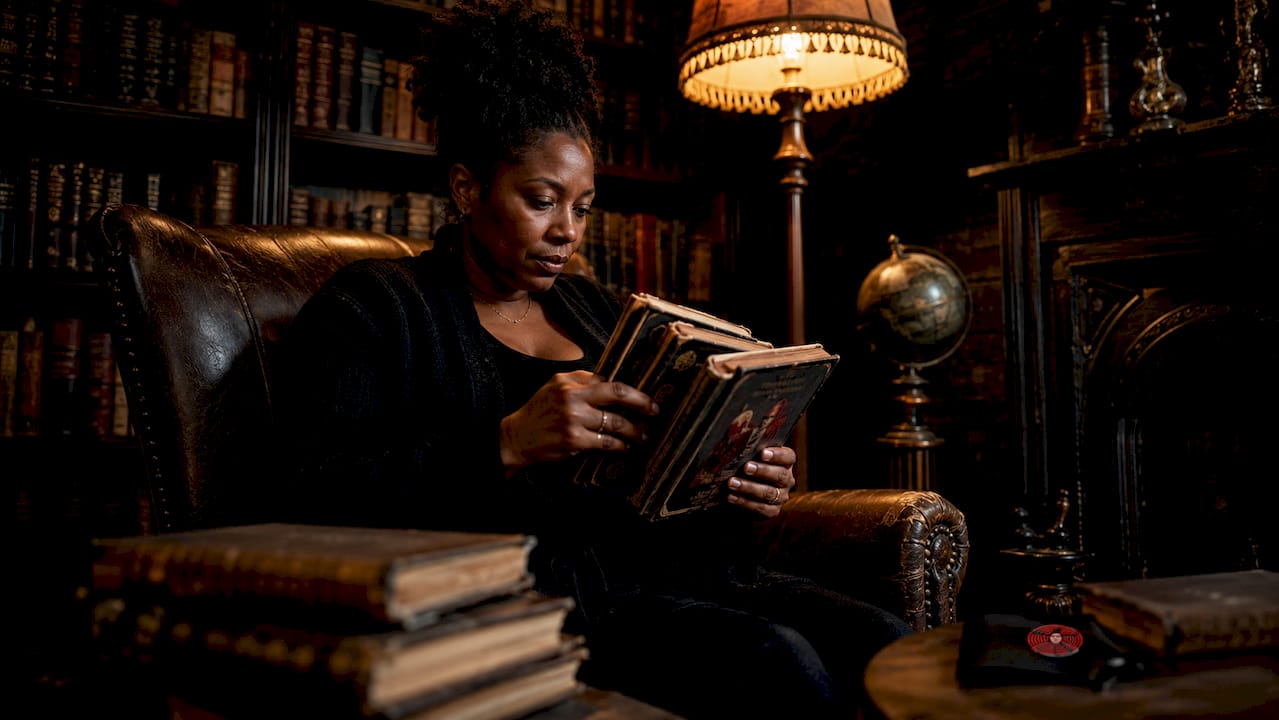
The best horror icons also carry a sense of unstoppable menace. Jason Voorhees does not run. He walks. And he still catches you. That defiance of logic creates a specific kind of dread that rational threats cannot replicate.
Pro Tip: When analyzing why a horror character works, look at their visual silhouette first. If you can identify the character from a single shadow, the design is doing its job.
How have famous horror characters influenced popular culture beyond films?
Horror icons have escaped the screen entirely. Their influence now spans video games, music, theme parks, and advertising in ways that reshape the genre year after year.
-
Theme park attractions. Jason Voorhees and Freddy Krueger are fixtures at Halloween events like Universal's Halloween Horror Nights. These live experiences let fans encounter the characters physically, deepening emotional connection beyond passive film viewing.
-
Video games. Michael Myers, Freddy Krueger, Jason Voorhees, and Leatherface all appear as playable characters in games like Mortal Kombat and Dead by Daylight. Placing horror icons in interactive formats gives younger audiences a direct, participatory relationship with classic figures.
-
Music. Artists including Eminem and Alice Cooper have referenced Jason Voorhees in songs and performances. These references signal cultural shorthand: the character's name alone carries enough weight to communicate menace, obsession, or invincibility without further explanation.
-
Television and advertising. Horror characters appear in TV crossovers, Super Bowl commercials, and brand campaigns. Their recognizability makes them effective marketing tools, which is a testament to how deeply they have embedded themselves in American popular culture.
-
Social media and fan communities. Platforms like TikTok and Reddit host enormous communities dedicated to horror character analysis, fan art, and cosplay. This ongoing fan engagement keeps classic figures alive and introduces them to new generations who may never have seen the original films.
The social meaning of horror icons extends well beyond entertainment. These characters function as cultural symbols, representing fears, anxieties, and taboos that audiences process through the safe distance of fiction.
Key Takeaways
The most enduring horror characters combine a simple, terrifying concept with a visually distinctive design that audiences recognize instantly and remember for decades.
| Point | Details |
|---|---|
| Visual design is non-negotiable | Iconic horror figures like Freddy and Frankenstein's monster are identifiable from a single silhouette. |
| Unstoppable menace drives fear | Characters like Jason Voorhees rank highest for perceived immortality, which creates lasting dread. |
| Literary roots run deep | Dracula and Frankenstein's monster established horror archetypes that every modern villain inherits. |
| Cross-media presence extends legacy | Horror icons who appear in games, music, and theme parks outlast those confined to film alone. |
| Physical transformation adds power | Prosthetics and makeup work create the "movie magic" contrast that makes monsters feel real and memorable. |
Why the best horror characters never really die
I have spent years reading and writing horror, and the one thing that consistently surprises me is how simple the formula for an enduring horror icon actually is. Fans and critics tend to overcomplicate it. They talk about psychological depth, narrative subtext, and cultural allegory. All of that matters. But the real foundation is almost embarrassingly basic: you need a look and a concept that a child could describe in one sentence.
Jason wears a hockey mask and cannot be killed. Freddy kills you in your dreams. Dracula is a vampire who seduces and destroys. Every one of these characters passes the one-sentence test. That simplicity is not a weakness. It is the engine that makes them portable across every medium and every generation.
What I find genuinely fascinating is the actor-character contrast. Fans who discover that the terrifying creature from a beloved horror film was played by a soft-spoken, gentle person in real life do not feel cheated. They feel more impressed. That gap between human and monster is part of the magic, and it deepens appreciation for the craft of horror filmmaking in ways that pure CGI creatures rarely achieve.
Horror audiences are also getting more sophisticated. The antihero in horror is now a recognized and celebrated figure, blurring the line between villain and protagonist. Characters who were once purely monstrous are now examined for their humanity, their trauma, and their context. That evolution keeps the genre alive and keeps iconic characters relevant long after their original films have aged.
— Mark
Horror fiction that brings these icons to life
If reading about these iconic horror figures has you hungry for more, Markwatsonbooks has exactly what you are looking for.

Mark Watson's horror fiction collection brings the same unsettling tension and vivid menace you love in classic horror characters straight to the page. For fans of internet horror and modern mythology, the Creepypasta book series collects terrifying tales featuring Slenderman, Jeff the Killer, Eyeless Jack, and dozens of other digital-age horror icons. These are the characters shaping the next generation of horror culture, and you can read them all in one place. Browse the full collection at Markwatsonbooks and find your next obsession.
FAQ
What makes a horror character truly iconic?
Horror expert Sydney Bermudez identifies two core requirements: a recognizable visual design and a simple, terrifying concept. Characters who pass both tests tend to endure across generations and media formats.
Who is considered the most powerful horror monster?
A California State University study of 1,166 Americans ranked Jason Voorhees highest among major horror monsters for perceived immortality and superhuman strength, making him the top-ranked figure by those criteria.
Which horror character has the most media appearances?
Freddy Krueger has appeared in nine feature films, novels, and comics, earning a spot on the AFI's "100 Years...100 Heroes & Villains" list. Michael Myers has appeared in twelve films and is expanding into video games in 2026.
Are folklore monsters part of the famous horror characters list?
Folklore figures like Dracula, Frankenstein's monster, and the Wendigo are foundational to the horror genre. They established the archetypes that nearly every modern horror villain is built upon.
Where can I read stories featuring modern horror icons?
Markwatsonbooks publishes creepypasta anthologies collecting 150 stories featuring Slenderman, Jeff the Killer, BEN Drowned, and other contemporary horror figures in a single volume.