
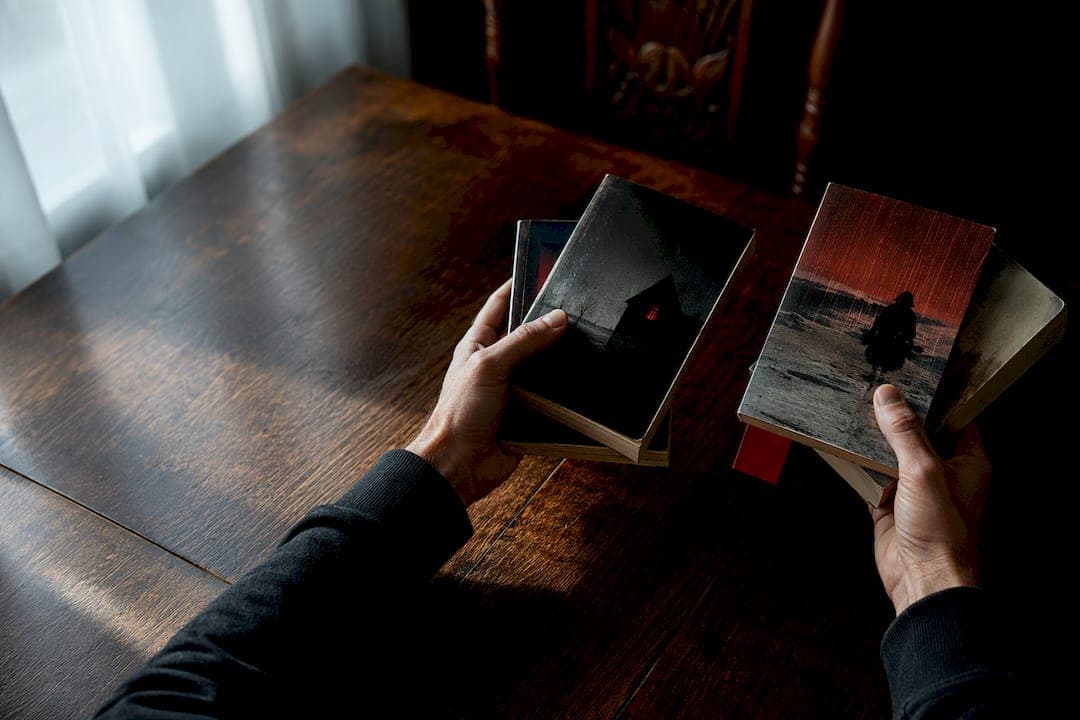
This is your curated list of the best cult horror books, from genre-defining classics to the sharpest new releases. You'll find seventeen titles here, grouped by theme, with reading notes on tone, pace, and intensity so you can pick the right one for your mood tonight.
TL;DR:
- Cult horror books range from slow-burn domestic paranoia to visceral folk horror and modern social-media control, offering diverse pacing and themes.
- Many titles explore cult dynamics as allegories for societal trauma, political repression, or patriarchal control, broadening their impact beyond mere storytelling.
- Content can include ritual violence, body horror, coercion, and violence, so readers should preview the first 50 pages or sample audiobooks to gauge tolerance and pacing.
- If new to cult horror, starting with visceral titles like Little Heaven or The Ritual helps identify preferred pacing before tackling slower atmospheric works.
- Curated lists and anthologies save time and help find the right fit, whether for quick internet horror samples or deeper, classic novels in the subgenre.
Table of Contents
- 1. The Essential Cult Horror Reading List
- 2. Which Subgenre of Cult Horror Fits Your Mood?
- 3. Why Cults Make Such Effective Horror Villains
- 4. Choosing the Right Book for Your Tolerance and Schedule
- 5. Mark Watson's Picks for Readers Who Want More
- 6. Why a Good Curated List Still Matters
- Where to Find More Author-Curated Horror
- Sources
- FAQ
1. The Essential Cult Horror Reading List
Cult horror works because it turns belonging into a threat. The books below span five decades and several continents, but they share one obsession: what happens when devotion curdles into something monstrous. Here's where to start.
- Rosemary's Baby by Ira Levin. The blueprint for domestic cult horror. A young wife in a New York apartment building slowly realizes her neighbors, her doctor, and possibly her husband are working together toward something unspeakable. Slow-burn paranoia rather than violence, and it still unsettles decades later.
- Harvest Home by Thomas Tryon. A family moves to a quaint New England village and finds the local harvest traditions have teeth. This one leans into folk ritual and rural insularity, building dread through community complicity rather than jump scares.
- The Ritual by Adam Nevill. Four friends on a hiking trip in the Scandinavian wilderness stumble into something ancient and territorial. Expect visceral, physical horror once the pace picks up, with a cult presence that feels more primal than organized.
- Last Days by Adam Nevill. A documentary crew investigating a defunct 1970s cult finds its surviving members, and its lingering evil, very much alive. Nevill is a genre regular for a reason: this one balances slow investigative dread with sudden bursts of violence.
- Little Heaven by Nick Cutter. Three mercenaries are hired to check on a remote commune and find themselves trapped with something far worse than the cult leader. Brutal and fast-moving, this is one for readers who want visceral horror over atmosphere.
- The Children of Red Peak by Craig DiLouie. Survivors of a mass suicide at a religious commune reunite years later when one of their own dies under suspicious circumstances. It moves between timelines, examining trauma and memory as much as the cult itself, and works well for readers who want psychological depth alongside scares.
- Our Share of Night by Mariana Enríquez. A father and son travel across Argentina, pursued by an occult society tied to the country's 1976 to 1983 military dictatorship. The novel runs 736 pages and is widely regarded as a major work of political horror that uses the occult as a lens for historical atrocity. This is a commitment, not a weekend read, but few cult novels reward patience this well.
- Devil's Day by Andrew Michael Hurley. A family returns to their farm in the Lancashire hills for the annual "devil's day" gathering, a tradition that turns out to hide generational secrets. This is folk horror rooted in landscape and community rather than a single villain, and it moves at a deliberate, atmospheric pace.
- Trad Wife by Sarah Langan. A 2026 release that reframes cult dynamics through the lens of modern domesticity and online performance. Trade reviews describe it as using cult structure to interrogate patriarchal control and social-media-driven identity, making it a sharp pick for readers who want their horror to feel current.
- Wife Shaped Bodies by Laura Cranehill. Another 2026 title, this one blending body horror with compound mythology. Publishers Weekly calls it a lyrical, body-horror-inflected critique of enforced domesticity, with a fungus-based mythology that gives the cult's control a physical, spreading form. Expect body horror alongside the psychological pressure.
- To Bewitch a Hunter by Luciano Lamberti. A fragmented, vignette-driven novel that ties occult ritual to historical political violence using a puzzle-box structure. Readers who liked the political undercurrent in Our Share of Night will find a shorter, sharper cousin here.
- The Girls by Emma Cline. Loosely inspired by the Manson Family, this coming-of-age novel follows a teenage girl drawn into a California commune in the late 1960s. Literary and interior rather than gory, it's closer to a character study than a scare-a-minute read.
- Cultish territory in the domestic thriller shelf. Several recent domestic thrillers borrow cult mechanics (isolation, charismatic control, manufactured loyalty) without naming a cult outright. Worth exploring once you've worked through the titles above and want variations on the theme.
- The Family Plot-style commune novels. A loose subgenre of literary fiction uses failed communes as a backdrop for grief and reinvention. These lean quieter and more introspective, useful as a palate cleanser between visceral reads.
- Small-press folk and cult debuts. Independent presses often publish cult and folk horror first, sometimes years before a title reaches a wider readership. Keep an eye on limited print runs from smaller imprints if you want to read tomorrow's classics today.
- Anthology-style cult horror. Short story collections that circle cult themes (isolation, ritual, charismatic control) let you sample the subgenre's range without committing to a 700-page epic.
- Reissued 1970s paperbacks. The decade that gave us Rosemary's Baby and Harvest Home also produced a wave of lesser-known cult paperbacks, many now back in print or available as ebooks. Worth hunting down if the classics on this list leave you wanting more.
Paperback and ebook editions of the major titles here are widely stocked through UK booksellers and libraries, though newer 2026 releases may take a few weeks to reach smaller shops after publication.
2. Which Subgenre of Cult Horror Fits Your Mood?
Cult horror splits into a few distinct flavors, and knowing which one you're craving saves you from picking the wrong book on the wrong night.
Folk horror roots its menace in landscape, tradition, and community rather than a single villain. It's slow, atmospheric, and often set somewhere rural and isolated.
- Devil's Day
- Harvest Home
- The Ritual
Domestic and compound cults trap characters inside closed households or communes where control is intimate and constant.
- Rosemary's Baby
- Little Heaven
- The Children of Red Peak
Social-media and modern cults update the genre for an era of influencers, performance, and curated identity.
- Trad Wife
- Wife Shaped Bodies
Occult and political cults treat ritual and secret societies as a way to process real historical violence.
- Our Share of Night
- To Bewitch a Hunter
If you want to explore the landscape-driven side further, our post on rural horror novels that turn farmhouses into nightmares digs deeper into that shelf, and our guide to folk horror breaks down the mechanics behind the slow burn.
Pro Tip: If you're new to the subgenre, start with a visceral pick like Little Heaven or The Ritual before moving to slow-burn atmosphere pieces like Devil's Day. The pacing contrast will help you figure out which style actually keeps you turning pages.
3. Why Cults Make Such Effective Horror Villains
Cults work as horror because they replace a monster with a community, and communities are much harder to fight. The best cult horror novels use that structure as allegory: the cult becomes a lens for exploring something bigger than itself, whether that's historical trauma, generational silence, or the slow erosion of individual will.
Our Share of Night is the clearest example. Critics have described it as political horror that uses occultism to process Argentina's 1976 to 1983 military dictatorship, turning a secret society into a stand-in for a real, documented reign of terror. The cult isn't the point. What the cult lets the author say about power and complicity is the point.
The cult is a lens to explore historical or societal trauma rather than just a plot device.
Folk horror takes a different route to the same effect. Devil's Day and its peers draw on British landscape and generational secrets to shift menace away from an individual leader and onto the land and the people who tend it. If you want to understand the mechanics behind that shift, our folk horror explainer covers the tradition in more depth.
The newest wave of cult horror has turned its attention to smaller, more private forms of control. Trade coverage of 2026 releases like Trad Wife and Wife Shaped Bodies points to cult structures being used to interrogate patriarchal control and social-media performance, swapping the robed congregation for a curated online persona. Our roundup of modern horror trends reshaping the genre in 2026 tracks that shift in more detail. The costume changes. The engine, a group demanding total belief in exchange for belonging, stays exactly the same.

4. Choosing the Right Book for Your Tolerance and Schedule
Cult horror runs a wide range in intensity, so it helps to know what you're walking into before you start.
Common content to expect: ritual violence, coercive control, sexual coercion, self-harm and suicide (especially in commune-collapse narratives), and body horror in some newer titles. None of these appear in every book on this list, but most cult horror touches at least one.
If you're eyeing a longer or denser novel, a few steps make the commitment easier:
- Read the first 50 pages before committing. Cult horror often opens slow, and this tells you fast whether the prose style works for you.
- Check the page count against your schedule. A 736-page novel like Our Share of Night needs a real reading window, not a weekend.
- Try an audiobook sample. Many libraries offer digital audiobook loans, which is a low-risk way to test pacing before buying a physical copy.
For availability, most of the classic titles on this list are in print as paperbacks and ebooks, and many UK library systems carry them digitally through apps like BorrowBox or Libby. The 2026 releases may take a little longer to reach secondhand shelves, so check your library's ebook catalog first if you want to read them without buying.
5. Mark Watson's Picks for Readers Who Want More
The site hosts curated horror collections alongside a running blog on storytelling and genre trends. If the list above left you hungry for more, a few pairings make good next steps.
Try reading a folk-horror pick like Devil's Day alongside a modern social-cult novel like Trad Wife. The contrast shows how the same fear (losing yourself to a group) adapts across a century of change. Or pair Little Heaven with The Children of Red Peak for two very different takes on commune violence: one immediate and physical, one delayed and psychological.
Readers who prefer shorter, anthology-style horror over 700-page commitments might enjoy exploring the Creepypasta series for a different flavor of dread, built from internet horror rather than commune fiction. And the full horror collection is worth a browse if you want to keep building your shelf beyond this list.

6. Why a Good Curated List Still Matters
I've spent enough time chasing recommendations down forum threads and half-abandoned Goodreads shelves to know how much noise there is out there. A tight, honest list saves you that digging, and it's the reason curated reading pathways matter more than algorithmic "readers also bought" widgets ever will.
If you try this list, start with three: one classic (Rosemary's Baby), one folk-horror pick (Devil's Day), and one 2026 release (Trad Wife or Wife Shaped Bodies). See which one grips you hardest, then tell us. Reader recommendations and comments shape future lists more than anything else does.
— Mark
Where to Find More Author-Curated Horror
If this list scratched the surface of your appetite for dread, Mark Watson's horror collection goes deeper, with author-curated picks that sit alongside his own thrillers and internet horror anthologies. The creepypasta series in particular gives you shorter, bite-sized horror if a 700-page cult epic feels like too much commitment right now.

- Browse the full horror collection for curated anthologies and author picks.
- Explore the Creepypasta series for short-form, internet-inspired horror.
- Start with Creepypasta: Origins if you want a focused sampler.
- Try Creepypasta Volume 1: The First Fifty Stories for a full anthology's worth of tales.
Sources
The context and critical framing in this article draw on a small set of trusted reviews and trade coverage.
- Our Share of Night by Mariana Enríquez review – political horror | Fiction | The Guardian
- Trad Wife by Sarah Langan | Publishers Weekly
FAQ
What are some of the best cult horror books?
Standouts include Rosemary's Baby, Harvest Home, The Ritual, Last Days, and Our Share of Night, which spans political allegory and occult horror across 736 pages according to The Guardian's review. Newer picks like Trad Wife and Wife Shaped Bodies bring the subgenre into a 2026 context with themes of domestic control and social-media performance.
What are the top cult classic books?
The genre's foundational titles include Rosemary's Baby, Harvest Home, The Girls, Little Heaven, and The Children of Red Peak, each approaching cult dynamics from a different angle, from domestic paranoia to commune collapse. Folk horror entries like Devil's Day extend the classic list by shifting the menace from a single leader to a landscape and its traditions, as The Guardian notes.
What is the best fiction book about a cult?
There's no single best pick since it depends on what kind of horror you want. Our Share of Night is the strongest choice for readers who want political depth and occult atmosphere in one dense, ambitious novel, while Rosemary's Baby remains the sharpest choice for slow-burn domestic paranoia.
What is the most terrifying book ever written?
Terror is subjective, so there's no definitive answer here, but cult horror fans often point to Little Heaven or The Ritual for their visceral, physical dread, and to Rosemary's Baby for its lingering psychological unease. Definitions of "most terrifying" vary widely by reader, so the honest answer is to sample a few subgenres and see which style actually gets under your skin.