
TL;DR:
- A children's book editing workflow involves multiple stages to refine a manuscript from draft to publication.
- Each stage focuses on specific aspects, starting with assessment, then developmental editing, line editing, and finally copyediting and proofreading.
A children's book editing workflow is a multi-stage manuscript refinement process that moves from editorial assessment through developmental editing, line editing, and copyediting to produce a publishing-ready story. Each stage serves a distinct purpose. Skip one and the gaps show up in print. Tools like ProWritingAid and Grammarly help with early self-editing, but professional editorial judgment shapes the story at a deeper level. This guide walks you through every phase of the editing process for children's books, from first draft to final polish, so you know exactly what to do and when.
What are the essential prerequisites for editing children's books?
Strong preparation separates authors who get useful editorial feedback from those who waste time and money fixing problems they could have caught themselves. Before you send your manuscript to a professional, do the heavy lifting first.
Start by setting clear manuscript goals:
- Target age group: Picture books run roughly 500–800 words; early readers sit around 1,000–2,500 words; middle grade chapter books range from 20,000–50,000 words. Know your category before you edit.
- Pacing and word count: Tight pacing matters more in children's books than in almost any other genre. Every sentence must earn its place.
- Vocabulary level: Words that feel natural to an adult can confuse or bore a six-year-old. Match your language to your reader.
Self-editing quality directly shapes how much a professional editor can help you. When your draft is clean, your editor spends time on story structure and character, not correcting typos. Tools like ProWritingAid catch repetitive phrasing and passive voice. Grammarly flags grammar and punctuation errors. Neither replaces a specialist, but both raise your baseline before you pay for professional eyes.
Beta readers add another layer. Child beta readers in your target age group give you feedback no adult can replicate. Services like the Fox Report record a child's real-time reaction to the first 250 words of your manuscript. That kind of raw, honest response tells you whether your opening actually grabs young readers.
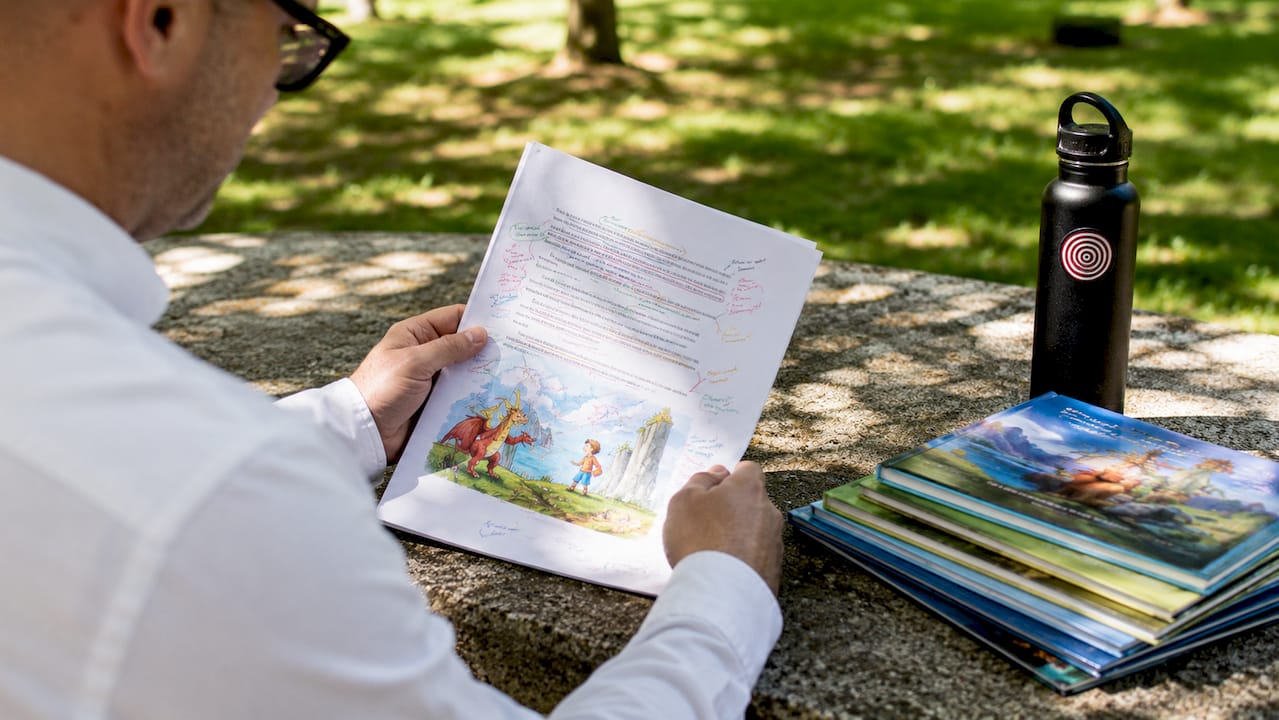
Pro Tip: Run your manuscript through ProWritingAid's readability report before submitting to any editor. A cleaner draft means your editor focuses on story, not surface errors.
How is the children's book editing workflow structured?
The full workflow follows four core stages, and most projects complete within 1–3 weeks depending on manuscript length and services selected. That timeline is tight, which means knowing what each stage covers keeps you from stalling.
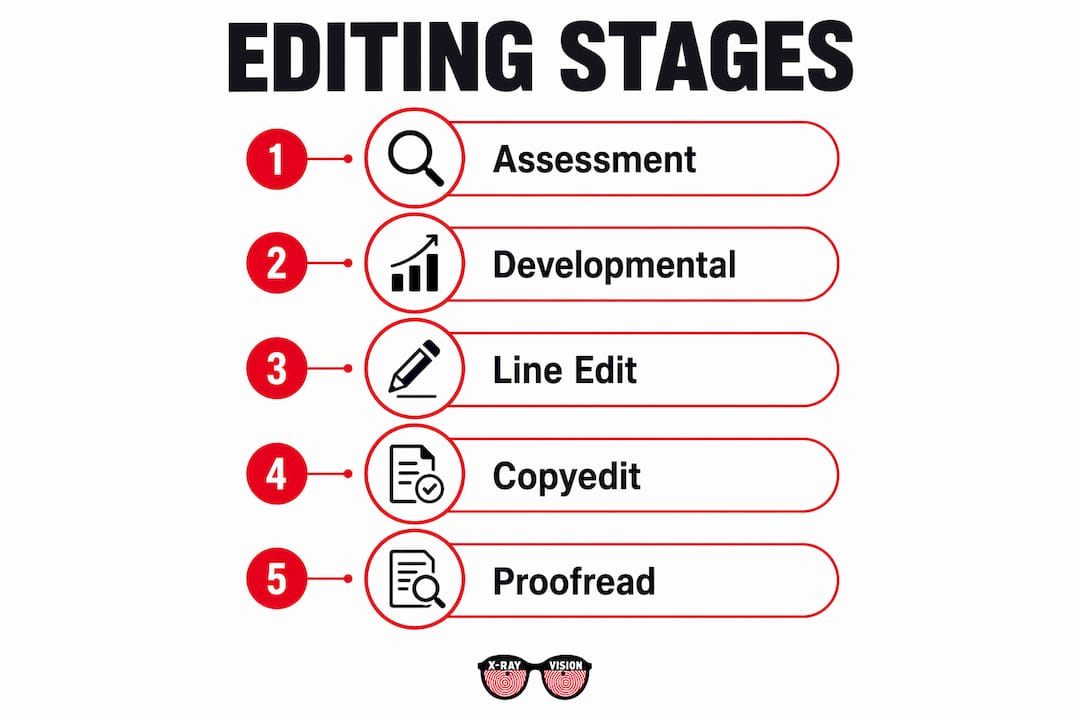
Stage 1: Editorial assessment
An editorial assessment gives you a high-level overview of your manuscript's strengths and weaknesses before any deep editing begins. Think of it as a diagnostic report. A developmental critique call, which typically runs about 60 minutes and costs around $199, delivers immediate structural feedback and identifies gaps in story arc, character motivation, and age-appropriateness. This stage tells you what to fix before you invest in full developmental editing.
Stage 2: Developmental editing
Developmental editing is the most significant stage in the children's book editing process. Your editor examines story structure, character arc, pacing, and whether the content suits your target age group. A picture book needs a clear emotional journey in under 800 words. A chapter book needs chapter hooks and consistent character voice. Editors with market-specific experience tailor vocabulary and pacing to genre expectations, which directly improves your manuscript's publishing chances.
Stage 3: Line editing
Line editing refines the language at the sentence level. Rhythm matters enormously in children's books. Reading aloud during this stage is the single best way to catch clunky phrasing. Skilled line editing adjusts word choice, sentence flow, and repetition to create smooth, effortless reading. A sentence that trips up an adult will lose a child entirely.
Stage 4: Copyediting and proofreading
Copyediting corrects grammar, spelling, punctuation, and formatting. Proofreading catches anything that slipped through. This is the final pass before your manuscript goes to layout or submission. Rushing this stage after skipping developmental work is one of the most expensive mistakes an author can make.
| Stage | Focus | Typical Output |
|---|---|---|
| Editorial assessment | Big-picture overview | Written report or critique call |
| Developmental editing | Structure, pacing, character | Detailed editorial letter |
| Line editing | Sentence rhythm, word choice | Tracked changes in manuscript |
| Copyediting/proofreading | Grammar, spelling, formatting | Clean final manuscript |
Pro Tip: Ask your editor for a style sheet after developmental editing. It documents every major decision and keeps your revisions consistent across the full manuscript.
What common pitfalls should writers avoid in their editing process?
Knowing the stages is one thing. Avoiding the traps that slow authors down is another. These are the mistakes that show up most often in children's manuscript review.
- Hiring a copyeditor too early. Fixing grammar before story structure is solid wastes money. A beautifully punctuated manuscript with a broken plot still fails. Developmental editing always comes first.
- Skipping the read-aloud test. Rhythm and cadence are not optional in children's books. If you cannot read your manuscript aloud smoothly, a child cannot follow it easily either.
- Ignoring age-appropriateness. Vocabulary that works for a ten-year-old confuses a five-year-old. Story complexity must match the cognitive and emotional stage of your reader.
- Taking feedback personally. Editorial notes are not an attack on your creativity. They are a map toward a better book. Authors who treat feedback as collaboration move faster and produce stronger manuscripts.
- Poor communication with your editor. Vague briefs produce vague feedback. Tell your editor your target age group, your intended tone, and your publishing goals before work begins.
"The best editorial relationships are built on trust and clear expectations. An editor who understands your vision can push your manuscript further than one who is guessing at your intent."
How to collaborate effectively with a children's book editor
Working well with an editor is a skill. The authors who get the most from the process treat it as a creative partnership, not a transaction.
Editors do more than fix text. In picture books especially, they provide illustration notes and style sheets that bridge the gap between your words and the art. A style sheet explains every editorial choice. Illustration notes guide the artist toward what the text implies but does not state. These documents are not extras. They are part of what makes a picture book work as a complete product.
Here is how to get the most from the collaboration:
- Read the editorial letter carefully before revising. Understand the big-picture notes before touching a single sentence. Reacting to line-level comments first causes authors to miss the structural point.
- Ask clarifying questions. If a note confuses you, ask. Good editors expect questions. Silence leads to revisions that miss the mark.
- Agree on revision rounds upfront. Most editorial agreements include one or two rounds. Know what is covered before you start.
- Find your editor through referrals. Personal referrals connect you with editors whose communication style and expertise match your project. Reedsy is a well-known platform where you can browse vetted children's book editors with verified credentials.
For authors writing chapter books, check out this guide to writing chapter books for pacing and vocabulary strategies that align with editorial expectations.
Pro Tip: Before hiring any editor, request a sample edit of the first 500 words. It shows you their approach, their communication style, and whether their instincts match your vision.
Key Takeaways
A structured children's book editing workflow, starting with self-editing and moving through developmental, line, and copyediting stages, is the most reliable path to a publishing-ready manuscript.
| Point | Details |
|---|---|
| Self-edit before hiring | Use ProWritingAid or Grammarly to clean your draft before paying for professional editing. |
| Follow the correct sequence | Always complete developmental editing before copyediting to avoid wasted revisions. |
| Read aloud at every stage | Rhythm and cadence are critical in children's books and only reveal themselves when spoken. |
| Use editorial documents | Request style sheets and illustration notes to keep revisions consistent and purposeful. |
| Treat feedback as collaboration | Authors who engage openly with editorial notes produce stronger manuscripts faster. |
What editing children's books has taught me about patience and craft
Writing and editing children's books looks simple from the outside. Short sentences. Simple words. A few hundred pages at most. The reality is the opposite. Children's books are among the hardest manuscripts to get right precisely because every word carries so much weight.
What I have learned after working across multiple genres, including children's books, horror thrillers, and Creepypasta anthologies, is that the editing process for children's books demands a different kind of patience. You are not just polishing prose. You are calibrating an emotional experience for a reader who has almost no tolerance for confusion or boredom. One clunky sentence and you lose them.
The authors I have seen succeed are the ones who resist the urge to rush. They do the self-editing work first. They bring in beta readers, including actual children, before they ever contact a professional editor. And when the editorial letter arrives, they sit with it for a day before responding. That pause is not weakness. It is craft.
The other thing worth saying plainly: a great editor does not change your voice. A great editor reveals it. The best editorial relationships I have seen are the ones where the author comes in with clear goals, communicates openly, and trusts the process. The manuscript that comes out the other side still sounds like the author. It just sounds like the best version of them.
For authors who want to see what polished, age-appropriate children's storytelling looks like in practice, the children's storytelling tips on the Markwatsonbooks blog are worth your time.
— Mark
Professional children's book editing resources from Markwatsonbooks
Seeing professionally edited children's books is one of the fastest ways to calibrate your own manuscript's quality.

Markwatsonbooks publishes children's books that reflect strong editorial standards across story structure, pacing, and age-appropriate language. Browsing the children's book collection gives you a clear benchmark for what a polished, market-ready manuscript looks like. Whether you are refining your first picture book or working through a chapter book revision, seeing the finished product helps you understand what the editing process is actually building toward. The full Markwatsonbooks catalog spans multiple genres and reading levels, giving you a wide range of editorial benchmarks in one place.
FAQ
What is a children's book editing workflow?
A children's book editing workflow is a structured sequence of editorial stages, including assessment, developmental editing, line editing, and copyediting, that refines a manuscript from rough draft to publishing-ready. Most projects complete within 1–3 weeks depending on manuscript length.
What comes first: developmental editing or copyediting?
Developmental editing always comes first. Fixing grammar before story structure is resolved wastes time and money because structural revisions will change the text that was just copyedited.
How do I know if my children's manuscript is ready for a professional editor?
Your manuscript is ready when you have completed at least two rounds of self-editing using tools like ProWritingAid, read it aloud for rhythm, and gathered feedback from beta readers, ideally children in your target age group.
What does a children's book editor actually do?
A children's book editor evaluates story structure, pacing, vocabulary, and age-appropriateness, then provides an editorial letter, tracked changes, and often style sheets and illustration notes to guide revisions and art direction.
How long does children's book editing take?
Most children's book editing projects finish within 1–3 weeks. Timeline depends on manuscript length, the number of editing stages selected, and the revision rounds included in the agreement.