
TL;DR:
- Reading aloud to children from birth builds vocabulary, neural pathways, and emotional bonds that last a lifetime.
- Continued shared reading beyond age five enhances social skills, empathy, and cognitive flexibility.
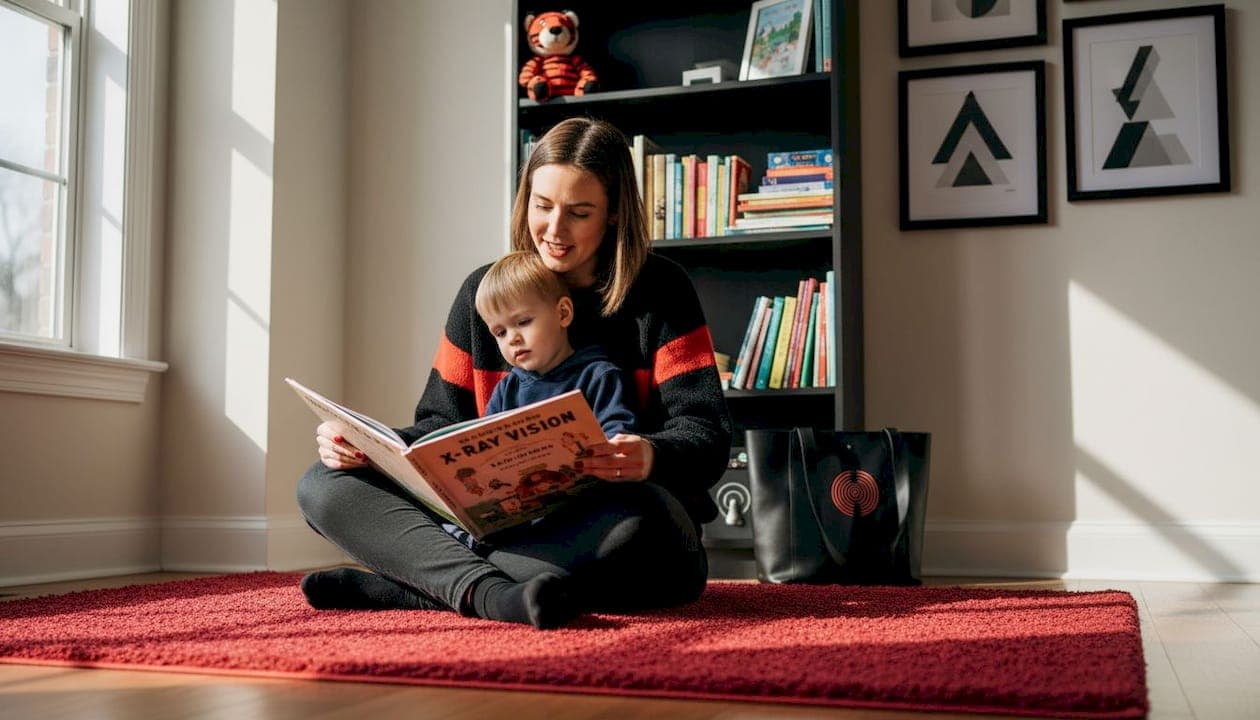
Reading to children is the single most effective activity for building language skills, emotional intelligence, and school readiness before age five. The benefits of reading to children extend far beyond learning the alphabet. Regular storytime builds neural pathways, deepens the parent-child bond, and gives kids a head start that lasts a lifetime. Research shows up to 50% of U.S. children enter kindergarten without the language skills they need. A daily reading habit changes that outcome.
1. How reading aloud builds language skills in babies and toddlers
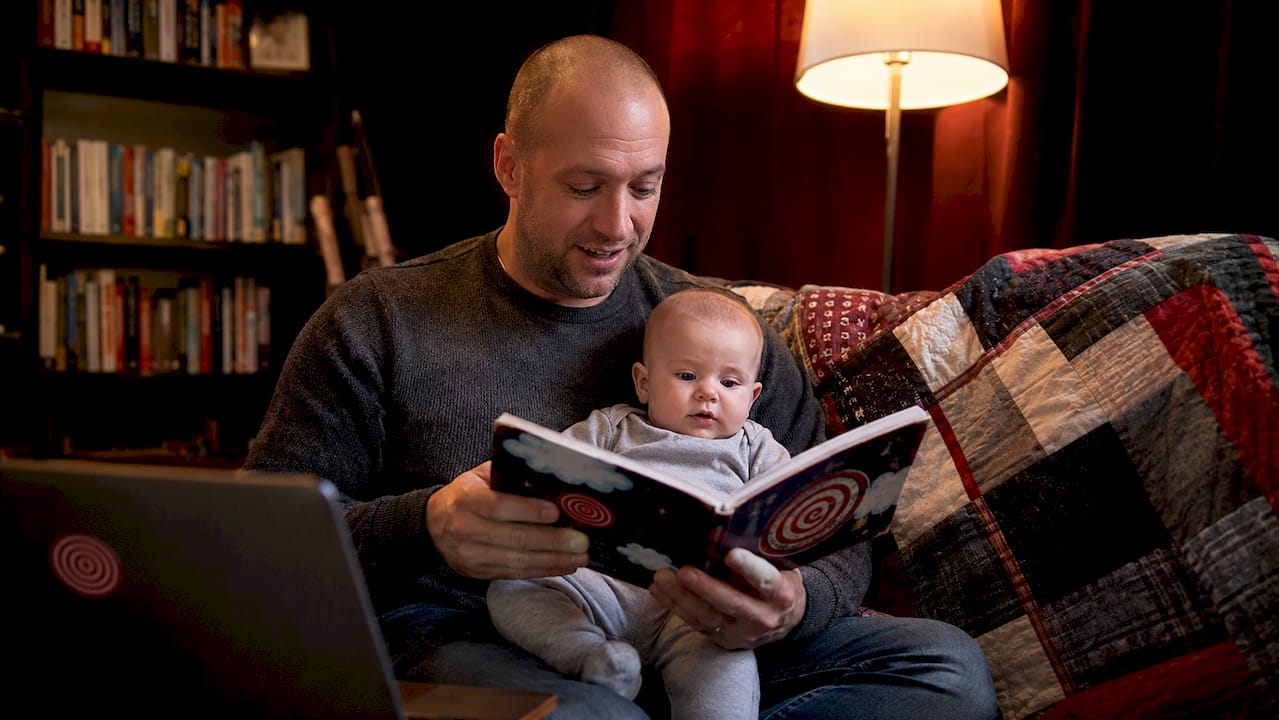
Reading aloud to babies and toddlers exposes them to far more complex language than everyday conversation does. A parent asking "Want juice?" gives a child two words. A picture book about a jungle gives them dozens: canopy, creature, rustling, enormous. That vocabulary gap compounds over years.
The serve-and-return interaction during reading is especially powerful. When a child points at a picture and you name it, then they babble back, that back-and-forth exchange stimulates brain development more than toy play or singing. The brain is literally wiring itself during those exchanges.
Repetition matters too. When a toddler begs to hear the same book for the tenth night in a row, they are not being stubborn. They are reinforcing speech patterns, building phonemic awareness, and locking in new words. Let them lead.
- Start reading from birth, even before your child can respond
- Use exaggerated voices and facial expressions to hold attention
- Name objects on every page, even if you skip the text
- Pause and wait for your child to point, babble, or react
- Revisit favorite books regularly to reinforce vocabulary
Pro Tip: Pick books with rhyme and rhythm for infants. The predictable sound patterns train the ear for language long before a child can speak.
2. The social and emotional benefits of shared reading
Reading together gives children something screens cannot: focused, undivided attention from the person they love most. That one-on-one time signals safety and love. According to pediatric expert Dr. Kimberly Churbock, reading fosters emotional connection that directly supports healthy brain development in the early years.
Stories also teach children how to read emotions in other people. When a character in a book feels scared or jealous, children practice naming and processing those feelings in a low-stakes setting. That practice builds empathy. It also builds the social vocabulary children need to navigate friendships, conflicts, and classroom dynamics.
"Reading to young kids improves their social skills, and a new study shows it doesn't matter whether parents stop to ask questions." The act of consistent reading itself drives the benefit. Researcher Erin Clabough confirms that no special techniques are required. Just show up and read.
Bedtime stories are a particularly strong vehicle for this. The calm, predictable routine of bedtime reading creates a nightly moment of connection that busy families often struggle to find elsewhere. That consistency is what makes it work.
- Choose books where characters experience a range of emotions
- Talk about how a character might be feeling, but keep it casual
- Let your child ask questions without rushing to finish the story
- Use storytelling to introduce topics like friendship, loss, or fear safely
Pro Tip: If your child seems withdrawn or anxious, pick a book where the main character faces a similar situation. Stories give children language for feelings they cannot yet express.
3. Why school-age kids still need you to read to them
Many parents stop reading aloud once a child learns to read independently. That is a mistake. Reading aloud to children ages 6–8 continues to improve empathy and creativity even after they can decode words on their own.
The numbers tell a clear story. 51% of families read aloud to very young children, but only 37% keep reading aloud to children aged 6 to 8. That drop-off happens right when children are forming their identity as readers. Pulling back at that stage can stall the very habits parents worked hard to build.
Reading together at this age also sustains the social connection that younger children get from storytime. A shared book gives a parent and child a world to inhabit together, a set of characters to discuss, and a reason to sit side by side without a screen between them.
Four ways to keep older kids engaged with books
- Let them pick the book, even if it seems too easy or too silly
- Take turns reading pages aloud to each other
- Visit the library together and treat it as an outing, not a chore
- Read the same book yourself and discuss it like a mini book club
| Age group | Reading aloud rate | Key benefit at this stage |
|---|---|---|
| Under 6 | 51% of families | Vocabulary and language acquisition |
| Ages 6–8 | 37% of families | Empathy, creativity, and reading identity |
4. Practical tips for making reading time work for your family
The best reading routine is the one you actually keep. Consistency beats perfection every time. A five-minute bedtime story every night outperforms a two-hour weekend reading marathon that happens once a month.
Letting children choose their own books is one of the most effective strategies available. Educator Morgan Mercado recommends interest-driven book selection as a proven way to build lifelong reading habits. When a child picks the book, they are already invested before the first page turns.
Libraries are an underused resource. They are free, staffed by people who know children's literature deeply, and stocked with enough variety to satisfy every interest. Many branches also run storytime events that give children a social reading experience outside the home.
- Follow your child's interests, whether that means dinosaurs, space, or graphic novels
- Explore fun, interest-driven books that match what excites your child right now
- Use a consistent time slot, bedtime works well, to build the habit
- Keep a small basket of books in the living room for spontaneous reading moments
- Ask open questions about the story, but never quiz or pressure your child
Pro Tip: Graphic novels and comic-style books count. They build visual literacy, sequencing skills, and reading stamina for kids who resist traditional chapter books.
5. How reading supports brain development beyond literacy
Reading to children does more than teach them words. It builds the brain structures responsible for self-control, memory, and flexible thinking. These are the executive function skills that predict academic and life success more reliably than IQ scores alone.
Dialogic reading at age 2 is linked to stronger activation in the brain regions associated with executive function by age 5. Dialogic reading is an interactive style where a caregiver asks open questions, expands on a child's responses, and encourages the child to retell the story. It is not complicated. It is a conversation about a book.
The prefrontal cortex, the brain area most responsible for planning, impulse control, and working memory, responds directly to this kind of interaction. Children who receive consistent interactive reading routines show stronger inhibitory control and cognitive flexibility. Those skills show up in the classroom as the ability to focus, follow instructions, and solve problems.
| Skill | How reading builds it |
|---|---|
| Working memory | Tracking plot and characters across a story |
| Inhibitory control | Waiting for a turn to speak during dialogic reading |
| Cognitive flexibility | Considering multiple outcomes for a story's characters |
| Empathy | Identifying with characters who are different from themselves |
The family storytelling benefits that come from regular reading sessions are not soft or anecdotal. They are measurable, neurological, and lasting.
Key Takeaways
Reading to children from infancy through early childhood builds language skills, emotional intelligence, and executive brain function in ways no other single activity can match.
| Point | Details |
|---|---|
| Start from birth | Even newborns benefit from hearing language-rich text read aloud daily. |
| Keep reading past age 5 | Only 37% of families read aloud to children ages 6–8, despite clear ongoing benefits. |
| No special method required | Consistent reading alone improves empathy and creativity, regardless of technique. |
| Dialogic reading builds brains | Interactive reading at age 2 strengthens executive function brain regions by age 5. |
| Let children choose books | Interest-driven selection is the most reliable path to lifelong reading habits. |
What I've learned from years of watching stories shape kids
I have spent years thinking about what stories do to people, and the research on children confirms what I have always felt intuitively. A story does not just entertain. It rewires how a person sees the world.
What strikes me most is how simple the whole thing is. You do not need a curriculum, a reading app, or a structured lesson plan. You need a book and fifteen minutes. That simplicity is not a limitation. It is the point. The act of sitting together, sharing a world on a page, and talking about what happens next is one of the most human things a family can do.
Parents often tell me they feel guilty for not reading more. My honest response is: start tonight. One book. Five minutes. The habit builds itself once you begin. The storytelling techniques matter far less than the act of showing up.
Reading is not a task to check off. It is the quiet, vivid, irreplaceable time when a child learns that the world is bigger than what they can see, and that someone they trust is willing to show them.
— Mark
Children's books worth reading together
Markwatsonbooks offers a curated collection of children's books built for exactly the kind of reading moments this article describes. Whether you are looking for a vivid bedtime story, a book that sparks big questions, or a title that matches your child's specific interests, the collection has options worth exploring.

Every book in the children's collection is selected with young readers in mind. The goal is simple: put the right book in the right child's hands and let the story do the rest. Browse the full range at Markwatsonbooks and find the title that makes your child ask for one more chapter.
FAQ
When should I start reading to my child?
Start reading from birth. Even newborns benefit from hearing a parent's voice and the rhythm of language-rich text read aloud.
Does it matter what kind of books I read to my child?
Any book your child enjoys is the right book. Interest-driven selection builds lifelong reading habits more reliably than any specific genre or reading level.
Do I need to ask questions while reading to make it effective?
No. Research shows that consistent reading alone improves empathy and creativity in children aged 6–8, regardless of whether parents stop to ask questions.
Should I keep reading aloud after my child learns to read?
Yes. The benefits of reading aloud continue well past the point of reading independence. Shared reading at ages 6–8 still builds empathy, creativity, and the parent-child bond.
How does reading help a child's brain development?
Dialogic reading at age 2 strengthens the brain regions responsible for executive function, including working memory, impulse control, and flexible thinking, by age 5.