

TL;DR:
- Consistent, engaging routines and genuine book choices foster a lasting love for reading in children.
- Active strategies like questions and think-alouds improve comprehension, while a supportive environment encourages habit formation.
Tips for young readers are practical, research-backed strategies that parents and educators use to make reading enjoyable, accessible, and genuinely motivating for children at every stage. The goal is not just fluency. It is a lasting relationship with books. Children who read for pleasure consistently outperform peers in vocabulary, empathy, and critical thinking. The strategies below draw on 2026 research and real classroom and home experience to give you tools that actually work, from choosing the right book to building a reading environment your child wants to return to every day.
1. How to create a daily reading routine that sticks
Consistency is the single most powerful factor in building reading stamina. Research confirms that toddlers benefit most from short, repeated sessions of 3 to 5 minutes several times a day, while preschoolers thrive with 15 to 20 minutes of daily read-alouds. These are not arbitrary numbers. They reflect how young attention spans work and how language acquisition compounds over time.
The key is making the routine feel like a reward, not a requirement. Reading before bed is the classic ritual for good reason. It signals calm, closeness, and story. But morning reading over breakfast or a quiet afternoon session after school can work just as well, depending on your child's energy patterns. The format matters less than the consistency.
A low-stress reading time means no quizzes, no corrections mid-sentence, and no pressure to perform. Your child should associate the reading session with warmth and curiosity, not evaluation. If they stumble on a word, let it breathe. If they want to linger on a page, let them.
Pro Tip: Add 15 extra minutes to your child's bedtime specifically for reading. Frame it as a privilege, not a chore. "You get to stay up a little later if we read together" is a sentence that transforms the ritual entirely.
2. Choosing engaging books: matching interests and reading levels
The most effective way to motivate young readers is to let them choose books based on genuine interest, not literary prestige. A child obsessed with dinosaurs who reads a dinosaur joke book is building vocabulary, fluency, and reading confidence. That counts. Graphic novels, comics, and joke books are not lesser formats. They are entry points.
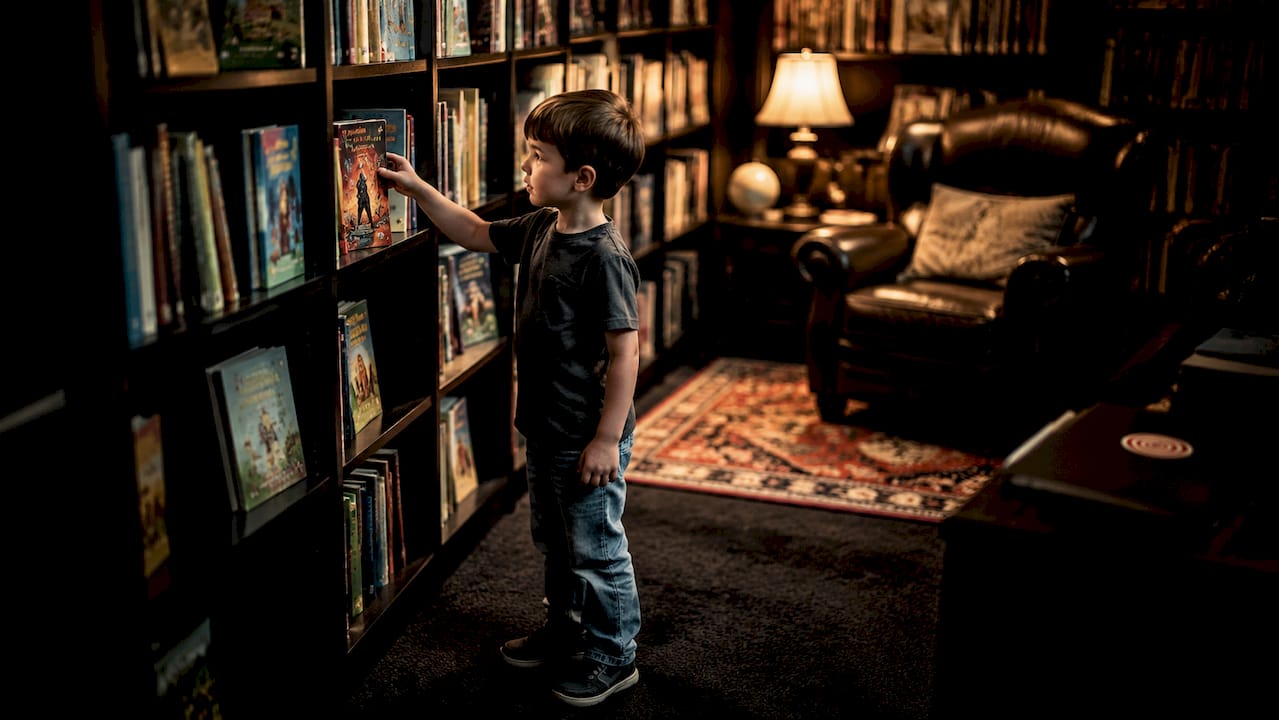
Use the Five Finger Rule to find books at the right difficulty level. Have your child read one page and hold up a finger for each unknown word. The ideal range is 2 to 3 unknown words per page. Fewer than that and the book is too easy to stretch their skills. More than five and frustration sets in fast.
Here is a quick comparison of book formats and what each one offers:
| Format | Best for | Key benefit |
|---|---|---|
| Picture books | Ages 2 to 6 | Language rhythm and visual storytelling |
| Graphic novels | Ages 6 to 12 | Visual engagement, dialogue fluency |
| Chapter books | Ages 7 to 11 | Sustained attention and plot comprehension |
| Audiobooks | All ages | Vocabulary exposure and listening skills |
| Joke and fact books | Ages 5 to 10 | Motivation and reading for fun |
Librarians are an underused resource. A good children's librarian can match a reluctant reader to the perfect book in five minutes flat. Apps like Keiki and platforms like Sora also offer reading level tools that take the guesswork out of selection. You can also explore types of children's books by genre to find what clicks for your child.
- Let your child pick at least one book per reading session without input from you.
- Rotate formats. If chapter books feel heavy, switch to a graphic novel for a week.
- Revisit favorites. Re-reading beloved books deepens language understanding and builds confidence.
- Never shame a child for choosing a "simple" book. Confidence is the foundation of fluency.
3. Active reading strategies to improve comprehension
Active reading turns passive decoding into dynamic conversation. It is the difference between a child who finishes a page and a child who actually processes what they read. The good news is that active reading strategies are easy to weave into any session without making it feel like school.
Ask open-ended questions before, during, and after reading. Before: "What do you think this book is about?" During: "Why do you think she did that?" After: "What would you have done differently?" These questions build prediction skills, inference, and narrative understanding without a single worksheet.
Think-alouds are one of the most effective tools in a parent or educator's kit. When you read aloud, narrate your own thinking. Say things like, "Hmm, I wonder why the character is nervous. Let me keep reading to find out." This models metacognitive behavior, the habit of monitoring your own understanding, which is a skill that pays dividends through high school and beyond.
For independent readers in grades 3 to 5, close reading 2 to 3 times weekly sharpens comprehension and analytical thinking. Close reading means reading a short passage multiple times with different focuses: once for plot, once for vocabulary, once for author's craft. It sounds intensive, but a single paragraph done this way takes less than ten minutes.
Pro Tip: When your child struggles on a word, wait five seconds before stepping in. That pause gives them space to decode independently, which builds problem-solving skills and reading confidence far faster than immediate correction.
- Predict before turning the page.
- Summarize each chapter in one sentence before moving on.
- Ask "What was the most surprising part?" instead of "Did you understand it?"
- Use sticky notes to mark words or moments that spark curiosity.
4. Creating a reading-friendly environment at home and school
The physical environment sends a message. A home where books are visible, accessible, and treated as objects of value tells a child that reading matters. A home where books are stored in a single shelf in a back bedroom tells a different story.
Here is how to build a reading-friendly space that actually gets used:
- Place books everywhere. Keep a basket in the living room, a shelf in the bedroom, and a few books in the car. Proximity drives habit.
- Build a reading nest. A beanbag, a soft lamp, and a blanket in a corner create a cozy invitation. Children are drawn to small, defined spaces that feel like their own.
- Model reading openly. When your child sees you read for pleasure, not just for work, the message lands. Role modeling is one of the most powerful environmental signals you can send.
- Make library visits an event. Treat the library like a bookstore trip or a movie outing. Let your child get their own library card. Let them choose freely. The social excitement of the visit transfers to the books they bring home.
- Use technology as a bridge, not a replacement. Audiobooks, reading apps, and e-readers are legitimate tools. A child who listens to a Harry Potter audiobook while following along in the text is building fluency and stamina simultaneously.
Never use reading as a punishment. "Go to your room and read" as a consequence poisons the well. Reading must stay in the category of pleasure, choice, and connection. The moment it becomes associated with discipline, you have a much harder battle ahead.
You can find more ideas on making reading sessions vivid and interactive in this guide to storytelling tips for children that spark real engagement.
Key takeaways
The most effective tips for young readers combine consistent routines, genuine book choice, active engagement strategies, and a reading environment that signals books are worth your time.
| Point | Details |
|---|---|
| Routine over intensity | Short, daily sessions beat long, infrequent ones for building reading stamina. |
| Choice drives motivation | Letting children pick their own books is the fastest way to build intrinsic reading motivation. |
| Active reading builds comprehension | Open-ended questions and think-alouds turn reading into a skill-building conversation. |
| Environment shapes habit | Visible books, cozy spaces, and parental role modeling create a culture of reading at home. |
| Wait before helping | The five-second rule gives children space to decode independently and builds confidence. |
What I have learned about reluctant readers
I have spent years watching children light up over books and watching them shut down. The pattern is almost always the same. Reluctant readers are not kids who hate reading. They are kids who have not yet found the right book, or who have been pushed too hard, too fast, in the wrong direction.
The biggest mistake I see parents and educators make is treating reading as a performance. The moment a child feels evaluated, the joy drains out. Reading becomes a test they are afraid to fail. The fix is not a new curriculum or a better app. It is stepping back and letting the child lead.
I have seen a nine-year-old who refused to read anything suddenly devour an entire graphic novel series in two weeks because someone handed him the right book without any fanfare. No pressure. No reward chart. Just the right story at the right moment. That is the magic you are chasing.
Patience is not passive. It means actively creating the conditions for a child to discover reading on their own terms. Honor their weird interests. Celebrate the joke book. Read aloud to them even when they can read independently, because hearing a great story read well is one of the most powerful advertisements for books that exists. If you want to explore how suspense and tension can hook even the most resistant reader, take a look at why suspense benefits young readers.
— Mark
Discover children's books that spark real excitement

Markwatsonbooks.com offers a curated collection of children's books built for exactly this moment. Whether your child is drawn to adventure, mystery, humor, or the kind of story that keeps them reading past bedtime, there is something here that fits. The children's books collection spans picture books through chapter books, with titles that match a range of reading levels and interests. Browse the full book catalog and find the story that turns your reluctant reader into a book lover. The right book is waiting. Go find it.
FAQ
What are the best tips for young readers just starting out?
Start with short, consistent sessions and let children choose books based on their own interests. The Five Finger Rule helps identify books at the right difficulty level without frustration.
How long should young children read each day?
Toddlers benefit from 3 to 5 minute sessions repeated several times daily, while preschoolers do best with 15 to 20 minutes of daily reading. Consistency matters more than duration.
How do I engage a child who refuses to read?
Remove all pressure and let them choose any format they want, including comics, joke books, or audiobooks. Reading resistance almost always eases when reading is framed as a choice rather than an obligation.
What reading strategies actually improve comprehension?
Ask open-ended questions before, during, and after reading, and model your own thinking aloud. For older children, close reading a short passage 2 to 3 times weekly builds both comprehension and analytical skills.
Do audiobooks count as real reading?
Audiobooks build vocabulary, listening comprehension, and a love of story, all of which transfer directly to reading ability. They are a legitimate and effective tool, especially for reluctant or struggling readers.