
TL;DR:
- A compelling horror setting is an active force that psychologically dismantles characters through atmospheric details built on mood and sensory cues. Carefully layering lighting, sound, and tactile sensations creates a sense of dread that preempts any visible threat and transforms familiar locations into uncanny, trap-like environments. Effective settings participate in the story by exhibiting consistent behavior, reflecting characters’ minds, and containing subtle impossible details that heighten suspense and fear.
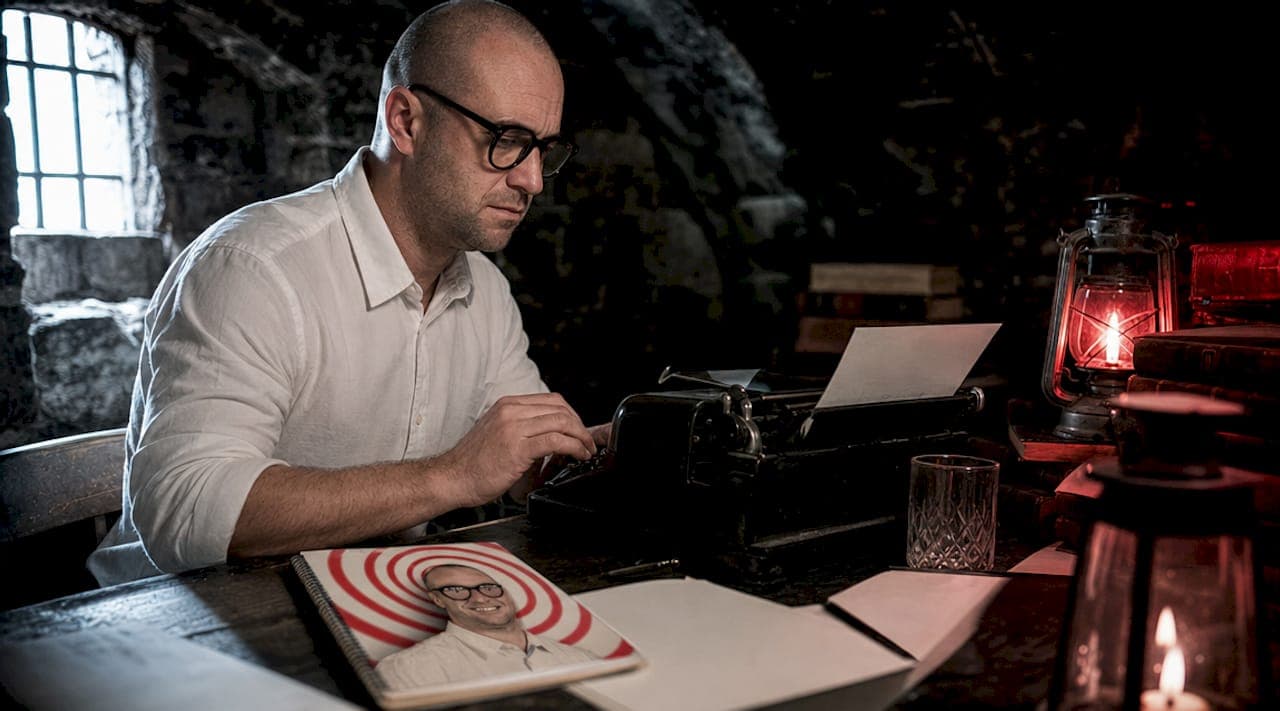
A scary setting is defined as an atmospheric, sensory, and narrative space that generates dread before a single monster appears. The best horror writers know that setting is not backdrop. It is an active force that traps, threatens, and psychologically dismantles characters. This writing scary settings guide covers every layer of that craft, from building mood and choosing sensory details to subverting familiar locations and writing sound into your prose. Whether you write haunted houses or creepypasta, the techniques here will sharpen your instincts and deepen your reader's fear.
How to build atmosphere as the foundation of a scary setting
Atmosphere-first is the single most effective approach to horror writing. Jumping into action before dread has settled into the reader's body is the most common mistake new horror writers make. The emotional tone must arrive before the threat does. Think of it as priming the nervous system.
Start by deciding what feeling you want the reader to carry through the scene. Is it creeping unease? Claustrophobic dread? A sense that something is wrong but nothing is visibly out of place? That emotional target shapes every word choice that follows. Understanding how setting shapes atmosphere in published horror gives you a concrete model to study and reverse-engineer.
Lighting is your fastest tool. Dim, fractured, or absent light forces the reader's imagination to fill the gaps. Shadows that fall at wrong angles, a single bulb swinging over a concrete floor, a window that lets in gray light but no warmth. These details do not describe a room. They describe a feeling.
Here are the core atmospheric layers to build before your horror reveals itself:
- Lighting and shadow: Use absence more than presence. What the character cannot see is scarier than what they can.
- Sound and silence: A sudden silence after ambient noise signals danger to the brain. Use it deliberately.
- Temperature and texture: Cold air that should not be there, a floor that feels soft when it should be hard.
- Smell: Decay, iron, damp earth, or something sweet where sweetness does not belong.
- Pacing: Short sentences slow the reader down. They create the sensation of moving carefully through a dangerous space.
Pro Tip: Write your setting description as if your character is holding their breath. Every sentence should feel like a step they are not sure is safe.
What sensory details make a setting physically unsettling?
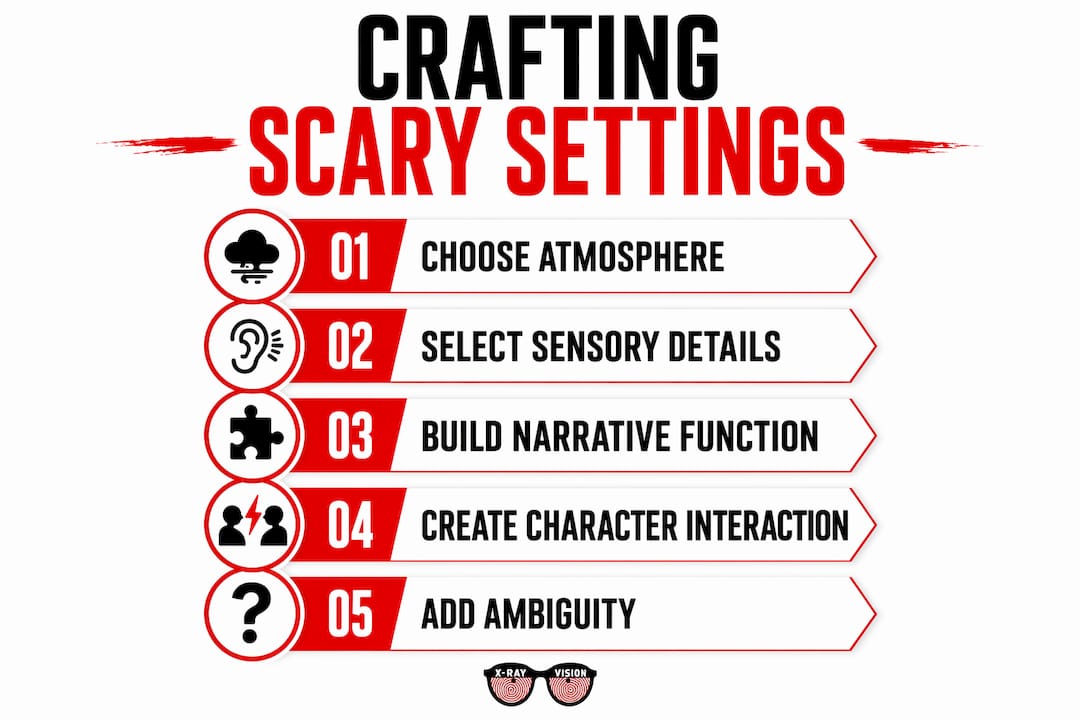
The most immersive horror settings choose 2 to 3 sensory details that physically cling to the reader rather than cataloging every surface in the room. This selectivity is what separates atmospheric writing from interior decoration. The goal is not to describe a place. The goal is to make the reader feel it in their body.
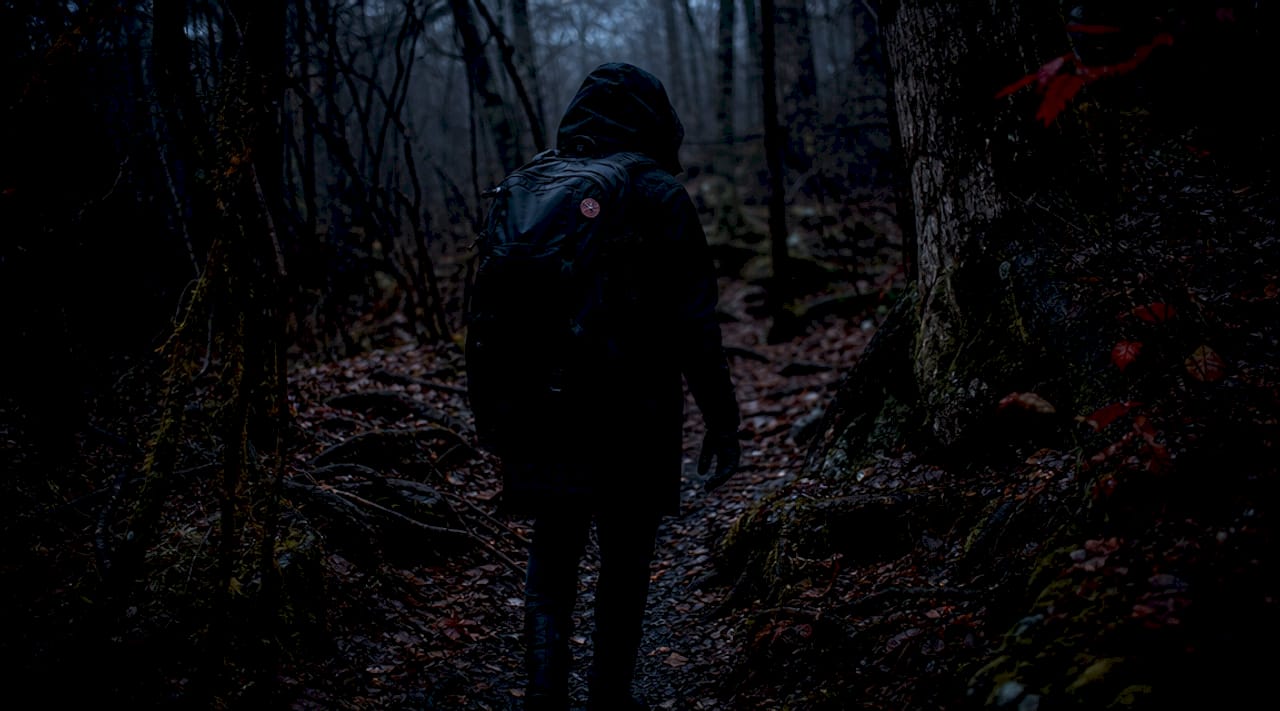
Temperature and pressure are underused. A character who feels the air grow heavier as they descend a staircase communicates threat without naming one. A sudden warmth in a cold room suggests presence. A sound that seems to come from inside the walls rather than behind them creates spatial disorientation that no visual description can match.
Ambiguity is your most powerful tool here. Over-explaining environmental details reduces fear because it hands the reader a finished image instead of a half-formed one. The imagination generates more terror than any specific description. A door that is slightly open is scarier than a door with something behind it, because the reader fills in what is behind it themselves.
Consider these sensory techniques for describing frightening environments:
- Auditory: A sound that repeats at irregular intervals. A voice that is almost words but not quite.
- Tactile: Surfaces that feel wrong. Walls that are slightly warm. Fabric that is damp for no reason.
- Olfactory: Smells that do not match the space. Perfume in an abandoned building. Cooking smells in a place no one has lived in for years.
- Proprioceptive: The character's sense of their own body in space. Feeling watched from behind. The sensation of being too visible.
Pro Tip: After writing a setting description, remove every visual detail and read what remains. If the scene still feels frightening through sound, smell, and touch alone, you have written something that will stay with readers.
How can setting function as a character, problem, and trap?
The most effective horror settings do not just contain the story. They participate in it. A setting that has its own logic, its own hostility, and its own agenda becomes a second antagonist. This is the difference between a story set in a haunted house and a story where the house itself is the threat.
To make your setting a narrative force, follow these steps:
- Give the setting a consistent behavior. Doors that open only when the character is alone. Rooms that rearrange between visits. The setting should follow rules, even if those rules are wrong.
- Use the setting to isolate. Cut off escape routes gradually. A phone that loses signal, a road that floods, a door that will not open from the inside. Isolation is the mechanism that converts setting into trap.
- Let the setting reflect the character's psychology. A character who feels guilt might perceive a familiar space as increasingly accusatory. The setting does not change. The character's perception of it does. This is microtension through setting, and it deepens suspense more than any external threat.
- Add one impossible detail. The uncanny valley principle in horror settings states that a room that is almost familiar but contains one subtle impossibility generates more unease than an alien landscape. An unusually long hallway. A window that looks out onto a room that should not exist. One wrong thing in an otherwise normal place.
- Make the setting a problem the character must solve. The horror of The Shining is not just Jack Torrance. It is the Overlook Hotel as a system that must be understood and escaped. Your setting should present a logic puzzle wrapped in dread.
Understanding how to create scary characters that interact with these settings amplifies every technique above. Character and setting should pressure each other.
Why everyday locations make the scariest horror settings
Non-traditional settings break genre expectations and hit readers harder than a Gothic mansion ever could. The uncanny effect is strongest when the familiar turns hostile. A fluorescent-lit big-box store at 3 a.m. A DMV waiting room where the numbers never change. A retirement home where the staff smile too much. These spaces carry their own ambient dread before you add a single supernatural element.
The psychological mechanism is simple. Readers have defenses against classic horror settings. They know to be afraid of the haunted house. They do not know to be afraid of the grocery store. Dropping horror into a mundane space bypasses those defenses entirely.
Subverting setting tropes with unusual combinations also expands your narrative options. A demonic possession story set in a 19th-century orphanage is familiar. The same possession story set in a suburban pediatric dentist's office is not. The horror elements remain identical. The setting makes them strange again. For more techniques on this approach, the Markwatsonbooks blog post on unexpected horror settings breaks down four specific methods with examples.
Consider these everyday locations that work as horror playgrounds:
- Retail stores after closing, with their industrial lighting and maze-like layouts
- Hospitals at night, where the institutional calm becomes something colder
- Suburban neighborhoods where every house looks identical and no one is ever outside
- Office buildings on weekends, where the familiar becomes hollow and wrong
- Children's play spaces that are empty, which carry an absence that reads as loss or threat
How do you write eerie soundscapes into horror settings?
Sound is the sense most directly connected to the fear response, and most writers underuse it. A well-written auditory environment can make a reader's skin tighten without a single visual description. The key is specificity and layering.
Sound design professionals use layered whispers and downward pitch-shifted drones to create maximum creepiness in audio. Writers can translate these principles directly into prose. A whisper that is almost a word. A low hum that seems to come from the building's bones. A sound that the character hears once and then cannot stop hearing.
Comb filtering and pre-delay reverb create metallic, phasing echoes and spatial distance in audio production. In prose, this translates to sounds that seem to come from the wrong direction, echoes that arrive too late, or a voice that sounds like it is speaking from inside a very large empty space even when the room is small.
Here is a quick reference for writing sound into horror settings:
| Sound element | Effect on reader | How to write it |
|---|---|---|
| Unintelligible whispers | Paranoia, sense of being watched | "Words that were almost words" |
| Low drone or hum | Physical unease, vibration felt in chest | "A sound more felt than heard" |
| Irregular repetition | Anticipation, inability to relax | "Three taps. Then silence. Then three taps again." |
| Sudden silence | Alarm, predator-detection instinct | "The house stopped breathing." |
| Misplaced echo | Spatial disorientation | "Her voice came back from the wrong wall." |
Pro Tip: Read your sound descriptions aloud. If the rhythm of the sentence does not feel unsettling, the description will not either. Slow, halting sentences mirror the experience of listening in the dark.
Key takeaways
A scary setting works because it combines atmosphere, selective sensory detail, and narrative function to generate dread before any threat is named.
| Point | Details |
|---|---|
| Atmosphere before action | Build emotional tone through lighting, sound, and pacing before introducing any horror element. |
| Selective sensory detail | Choose 2 to 3 physical sensations that cling to the reader rather than describing every surface. |
| Setting as antagonist | Give the setting consistent behavior, one impossible detail, and a mechanism that traps characters. |
| Subvert familiar locations | Everyday spaces like retail stores or offices bypass reader defenses and amplify uncanny dread. |
| Write sound deliberately | Layered, specific audio cues create fear responses that visual description alone cannot achieve. |
What I've learned writing horror settings that actually scare people
The biggest mistake I see writers make is treating setting as something to get through before the story starts. They describe the room, check that box, and move on. But the room is the story. The moment your reader stops feeling the cold floor under their feet or stops hearing that irregular creak from the ceiling, you have lost them.
When I write horror, I draft the setting description separately from the scene itself. I ask one question: what does this place want? Not what does it look like. What does it want from the character who just walked into it? That question forces me to think about setting as a force with intention, and that shift changes everything about how I describe it.
The other thing I have learned is that literary devices in horror do their best work when they are invisible. The reader should not notice the pacing slow down. They should just feel their pulse quicken. They should not notice you removed all the warm colors from your description. They should just feel cold.
If you are stuck on a setting, go somewhere mundane and write down every sensory detail that feels slightly wrong. The hum of a vending machine. The way fluorescent light makes everyone look slightly ill. The smell of a waiting room. Horror is already everywhere. Your job is to point at it.
— Mark
Explore horror settings that will inspire your writing

Reading great horror is the fastest way to sharpen your own scary scene writing techniques. Markwatsonbooks has a curated collection of horror titles that demonstrate exactly what immersive, chilling settings look like in published fiction. From haunted environments to creepypasta-style dread, these books show the principles in this guide working at full power.
Browse the horror collection at Markwatsonbooks to find stories built on atmosphere, sensory precision, and settings that refuse to let go. If you love internet horror and the uncanny dread of creepypasta, the creepypasta books collection delivers some of the most inventive scary environments in modern horror fiction. Read them as a writer. Study what sticks.
FAQ
What is the most effective first step in creating eerie atmospheres?
Establish emotional tone before introducing any threat. The atmosphere-first approach builds dread gradually, which produces stronger psychological fear than immediate action.
How many sensory details should a horror setting include?
Two to three carefully chosen sensory details are more effective than a full catalog. Details that engage touch, smell, or sound alongside visuals make the setting feel physically present to the reader.
Why do mundane locations work so well in horror?
Everyday spaces like stores, offices, and waiting rooms bypass the reader's genre defenses. Non-traditional settings increase the uncanny effect because readers have no pre-built expectation of fear in those spaces.
How do you write suspenseful settings without over-explaining?
Keep descriptions ambiguous and suggestive rather than complete. Ambiguity lets the reader's imagination generate the specific horror, which is always more frightening than any explicit description you can provide.
What makes a setting feel like a character in horror fiction?
Give the setting consistent, rule-based behavior that affects the plot. Isolation mechanisms, one impossible detail, and a space that reflects or contradicts the character's psychology all transform setting from backdrop into active narrative force.