
TL;DR:
- A structured storytelling workflow ensures children's stories are focused, engaging, and purposeful from start to finish.
- Using age-appropriate formats, visual aids, and interactive tools enhances comprehension, imagination, and emotional connection.
- Consistent character profiles and post-session observations help track developmental growth and improve future storytelling effectiveness.
You already know that children light up when a story grabs them. The problem? Sitting down to tell one without a plan often leads to rambling plots, lost interest, and a kid who's checking the ceiling. A solid children's storytelling workflow fixes that. It gives you a repeatable structure to follow so every session feels vivid, purposeful, and genuinely fun for the child in front of you. Whether you're a parent building a bedtime ritual or an educator running classroom storytelling activities, this guide walks you through everything you need to know.
Table of Contents
- Key Takeaways
- Children's storytelling workflow: tools and setup
- Step-by-step guide to building your storytelling session
- Common pitfalls and how to sidestep them
- Measuring success and tracking developmental impact
- My honest take on what actually works
- Stories worth telling: Markwatsonbooks for kids
- FAQ
Key Takeaways
| Point | Details |
|---|---|
| Structure beats winging it | A repeatable workflow keeps stories focused and children engaged from start to finish. |
| Age-matched format matters | Choosing the right book format and word count for your child's age directly affects comprehension and interest. |
| Interaction accelerates learning | Activities like roll-a-story build language, imagination, and cooperation skills simultaneously. |
| Emotional arcs create connection | Stories with a mapped emotional rise and resolution help children process real feelings safely. |
| Tracking progress reveals growth | Simple observation notes over time show measurable gains in vocabulary, empathy, and narrative thinking. |
Children's storytelling workflow: tools and setup
Before you tell a single story, the right tools in the right environment make an enormous difference. Think of this as pre-production. Film directors don't walk onto set without a shot list. You shouldn't start a storytelling session without knowing what's in front of you.
Here's what to gather:
- Physical props: Puppets, stuffed animals, small figurines, and hats invite children to see characters come alive. Props shift storytelling from abstract to tangible.
- Visual aids: Illustrated picture books, flashcards, and whiteboard sketches help children follow narrative threads. Visual storytelling also supports diverse learners who process images faster than words.
- Dice and story cards: These are the backbone of interactive storytelling ideas like roll-a-story. One die for characters, one for settings, one for problems. The randomness sparks creativity.
- Digital tools: Story apps, audiobooks, and simple slideshow software can enrich sessions. Interactive storytelling platforms have already generated over 1 million minutes of engagement, proving children respond powerfully to structured, personalized story experiences.
| Tool | Best for | Engagement level |
|---|---|---|
| Picture books | Visual learners, ages 3 to 7 | High |
| Story dice/cards | Group settings, creative prompts | Very high |
| Puppets and props | Young children, dramatic play | Very high |
| Digital story apps | Independent or shared screen time | High |
| Whiteboard sketching | Live storytelling, classroom use | Medium to high |
Environment matters too. Soft lighting, a dedicated reading corner, and minimal distractions signal to a child that story time is special. That psychological cue alone increases attention and retention.
Pro Tip: Set up the storytelling space before the child enters. When they walk into a room with props already arranged, curiosity kicks in before you say a single word.
Step-by-step guide to building your storytelling session
This is where creative storytelling for kids goes from theory to practice. Follow this sequence and you'll build sessions that feel natural, memorable, and educationally rich.
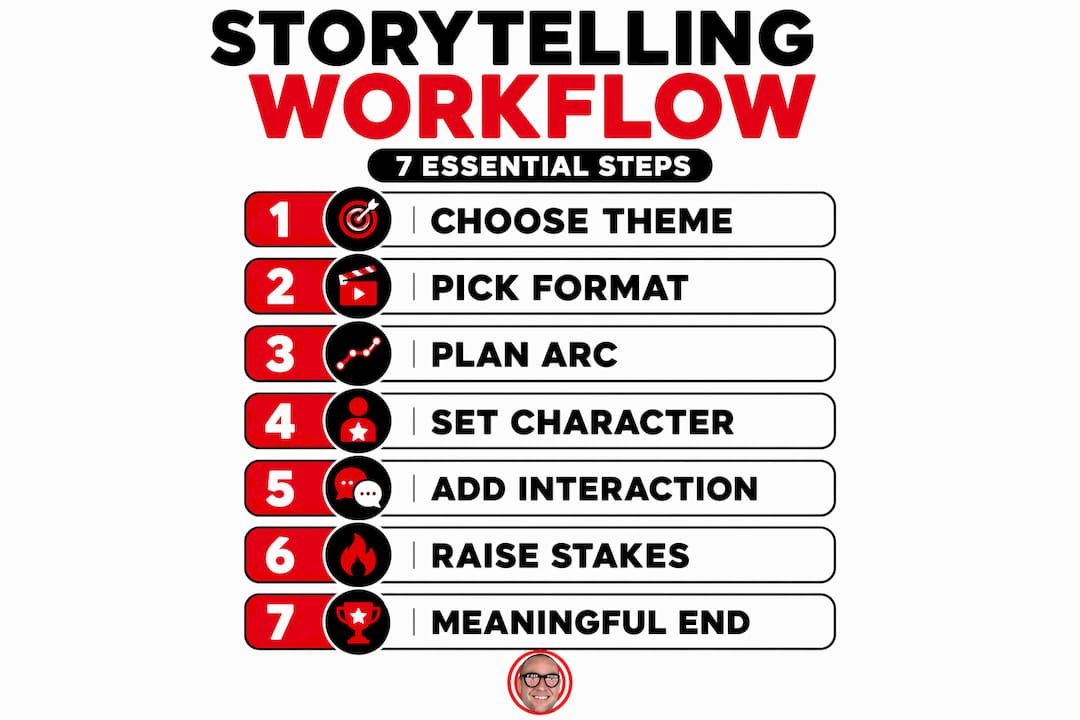
1. Choose a theme tied to the child's world. Ask what they're excited about or worried about this week. A child fixated on dinosaurs will track every plot beat of a story featuring one. A child nervous about starting school will lean in when a character shares that same fear.
2. Select the right format for their age. Age-banded book formats differ significantly. Board books for ages 0 to 3 run 10 to 14 pages. Picture books for ages 3 to 7 hit the industry standard 32 pages. Early readers stretch to 64 pages. Matching format to developmental stage isn't optional. It's what keeps the child with you.
3. Map the emotional arc before you begin. The 32-page picture book standard maps an emotional arc with a clear climax and text-image synergy. You can do this mentally in 60 seconds. Where does your character start emotionally? What breaks open in the middle? How does it resolve? Without this, stories drift.
4. Introduce your character with a specific detail. Not "a girl named Emma." Try "a girl named Emma who always wore one red sock and one blue sock because she said it confused the sidewalk." Specificity creates instant personality and gives children something to picture and remember.
5. Build in an interactive moment. Stop mid-story and ask: "What do you think happens next?" or "Would YOU go through that door?" Activities like roll-a-story use dice or cards to co-build narratives, improving language, cooperation, and imagination skills simultaneously.
6. Layer in an emotional challenge for your character. Characters as emotional mirrors help children externalize their own feelings. When your character feels scared of the dark, the child listening isn't just watching a story. They're processing their own experience in a safe, fictional container.
7. Close with a meaningful resolution, not a tidy bow. Children sense when a resolution is fake. Give the character a real change, not a perfect fix. "Emma still wore mismatched socks, but now she knew they were her superpower." That kind of ending sticks.
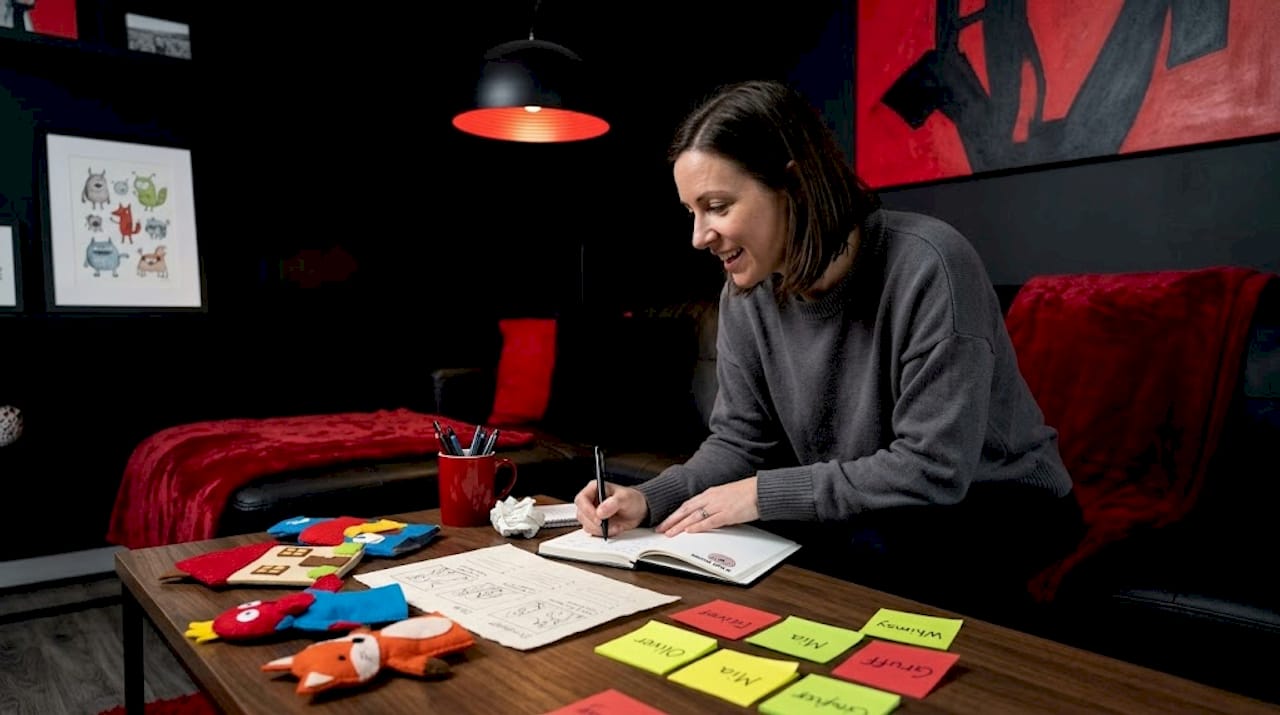
Pro Tip: Plan your engaging children's story arc before the session, even if it's just three bullet points on a sticky note. The structure frees you to be spontaneous in the details.
Common pitfalls and how to sidestep them
Even the most enthusiastic storytellers hit walls. Here's what goes wrong most often and how to fix it fast.
- Inconsistent characters. If your brave hero suddenly acts timid for no reason, children notice. Keep a simple character profile in your head or jot one down. Expert storytelling workflows use persistent character profiles to maintain visual and narrative consistency across story sessions. The principle applies whether you're using software or your own imagination.
- Vocabulary overload. One or two new words per session is a gift. Ten is a burden. Keep your language at the child's level, then stretch it slightly with one well-explained term.
- Ignoring engagement cues. Fidgeting, yawning, and wandering eyes are not rude. They're data. Pause, ask a question, change your voice, add a sound effect. The kids storytelling process works best when it's responsive, not scripted.
- Prioritizing the lesson over the story. Educational goals are real, but if the moral smothers the plot, you've written a lecture, not a story. Let the theme emerge from events, not announcements.
"The moment you stop watching the child's face and start just reciting your plan, you've lost them. Stories are live performances, not presentations."
Pro Tip: After every session, spend 90 seconds writing two observations. What made the child lean forward? What made them pull back? That log becomes your storytelling engagement guide over time.
Measuring success and tracking developmental impact
How do you know the workflow is working? You watch, listen, and record. The signs of a successful kids storytelling process show up in behavior, not test scores.
Look for these indicators:
- The child starts retelling the story to a sibling or stuffed animal.
- They ask "what happened next?" before you bring up story time.
- They begin using story vocabulary in everyday conversation.
- They start creating their own characters and scenarios unprompted.
These aren't flukes. Educational storytelling promotes critical thinking by requiring children to analyze character choices and predict outcomes, turning them from passive listeners into active thinkers. That shift is measurable over weeks, not years.
The developmental benefits run deeper than vocabulary. Storytelling builds emotional regulation, confidence, and communication through safe fictional scenarios. A child who acts out a character's anger learns to name and manage their own. A child who predicts a plot twist is practicing cause-and-effect reasoning.
To track progress without making it feel like homework, keep a simple observation notebook. Record the date, the story theme, and one or two specific responses from the child. Over two months, patterns emerge. You'll see which themes spark the deepest engagement, which characters stick, and where the child's imagination is stretching. That's the real measure of developing storytelling skills.
Pro Tip: Take short video clips of spontaneous story retelling at home. Parents are often stunned six weeks in when they play back the first clip and compare it to where their child is now.
My honest take on what actually works
I've spent years writing for children, and here's what I keep coming back to: the structured workflow is not the destination. It's the launching pad.
Every time I've tried to lock a story into a formula and hold the line rigidly, something dies in the telling. The magic lives in the moment you go off-script because the child's eyes went wide at a detail you almost cut. I've had kids completely redirect a story mid-sentence, and the version they invented was better than mine.
What I've learned is that the workflow earns you permission to be spontaneous. When your structure is solid, you can afford to follow a child's curiosity without losing the thread. That's the balance developing storytelling skills actually requires. You need the bones, but you don't need to narrate the skeleton.
I've also found that emotional honesty in a story hits harder than plot complexity. A character who feels genuinely afraid, or confused, or proud, reaches children faster than any clever twist. Kids are emotional geniuses. They detect fake feelings instantly. Give them real ones wrapped in fiction, and they will follow you anywhere.
Don't wait for the perfect story. Build a repeatable workflow, tell imperfect stories often, and watch what happens to the child in front of you.
— Mark
Stories worth telling: Markwatsonbooks for kids
If you're building a children's storytelling workflow and want books that pull children into a story from page one, Markwatsonbooks has you covered.

The children's book collection at Markwatsonbooks is built for exactly this kind of use. These are stories designed to be experienced, not just read. Characters with real emotional weight, plots that invite prediction, and endings that spark conversation. Whether you're building a classroom library or stocking a bedtime reading corner, explore the full books catalog and find the story your child is waiting for.
EXPLORE THE COLLECTION NOW and give your next storytelling session a story worth building around.
FAQ
What is a children's storytelling workflow?
A children's storytelling workflow is a repeatable step-by-step process for planning, structuring, and presenting stories to children. It covers theme selection, character creation, emotional arc mapping, and interactive delivery to maximize engagement and learning.
How do storytelling activities help children develop?
Storytelling activities build critical thinking, emotional regulation, vocabulary, and imagination. Children who regularly engage in structured storytelling shift from passive listeners to active, independent thinkers.
What age should you start a structured storytelling workflow?
You can start a structured kids storytelling process as early as birth using simple board books. Structured workflows become more interactive and layered as children reach ages 3 to 5, when emotional arcs and character-based stories resonate most deeply.
What is roll-a-story and why does it work?
Roll-a-story is a collaborative storytelling activity where children use dice or cards to randomly select story elements like characters, settings, and challenges. It builds language skills, cooperation, and imagination through play-based narrative creation.
How do you keep stories consistent across multiple sessions?
Maintaining a simple character profile and story outline between sessions prevents continuity errors. Professional storytelling workflows use persistent character references to keep visual and narrative details uniform, a principle any parent or educator can apply with a basic written summary.