
TL;DR:
- A children's reading habits checklist combines progress logs, genre preferences, and daily goals to foster lasting literacy routines. It works best when it emphasizes choice, reflection, and age-appropriate targets to motivate children.
A children's reading habits checklist is a structured tracking tool that combines progress logs, genre preferences, and daily reading goals to build lasting literacy routines. The most effective checklists go beyond simple book counts. They weave in choice, reflection, and age-appropriate targets to fuel intrinsic motivation. Research confirms that checklist components like genre trackers, star rating systems, and visual progress logs foster genuine engagement rather than mechanical compliance. Whether you are a parent setting up a reading corner or an educator tracking child literacy development across a classroom, this guide gives you everything you need to build a checklist that actually works.
1. What should a children's reading habits checklist include?
The strongest checklists combine five core elements: a book log, a genre tracker, a visual progress display, a reflection section, and a daily time goal. Each element serves a distinct purpose. Together, they shift reading from a chore into a personal achievement.
- Book log: Title, author, date started, and date finished. Simple and consistent.
- Genre tracker: A "Books I Like" section where children circle or color their favorite genres. This builds self-awareness about reading preferences.
- Visual progress log: Coloring in a bookshelf, adding stickers, or filling a reading thermometer. Visual rewards activate a child's sense of progress.
- Reflection section: A star rating (1–5 stars) and one sentence about the book. This builds reading comprehension skills without pressure.
- Daily reading time goal: 15–20 minutes daily beats a monthly book quota every time. Short, consistent sessions build the habit without burnout.
Pro Tip: Set the daily time goal first, then let the book count follow naturally. Children who read for time rather than volume finish more books over a full year.
2. How to tailor reading checklists to different age groups
Reading readiness is about curiosity and foundational auditory skills, not early decoding or intelligence. A checklist that works for a second grader will frustrate a kindergartener and bore a fifth grader. Matching the checklist to the child's developmental stage is the single most important design decision you will make.
The Big Five foundational skills — phonological awareness, print awareness, letter knowledge, oral language development, and listening comprehension — predict future reading success in kindergarteners. A reading readiness checklist for preschool and kindergarten should track these skills through play, not formal reading logs.
| Grade Level | Recommended Annual Book Target | Checklist Focus |
|---|---|---|
| Kindergarten–Grade 1 | 5–15 books | Listening, print awareness, picture books |
| Grade 1–Grade 2 | 15–30 books | Phonics, early fluency, simple logs |
| Grade 2–Grade 4 | 20–40 books | Genre exploration, basic reflection |
| Grade 4–Grade 6 | 25–50 books | Independent reading, comprehension notes |
These age-appropriate book targets give children a realistic goal without setting them up for failure. A kindergartener tracking 15 picture books feels accomplished. A fifth grader aiming for 50 chapter books feels challenged.
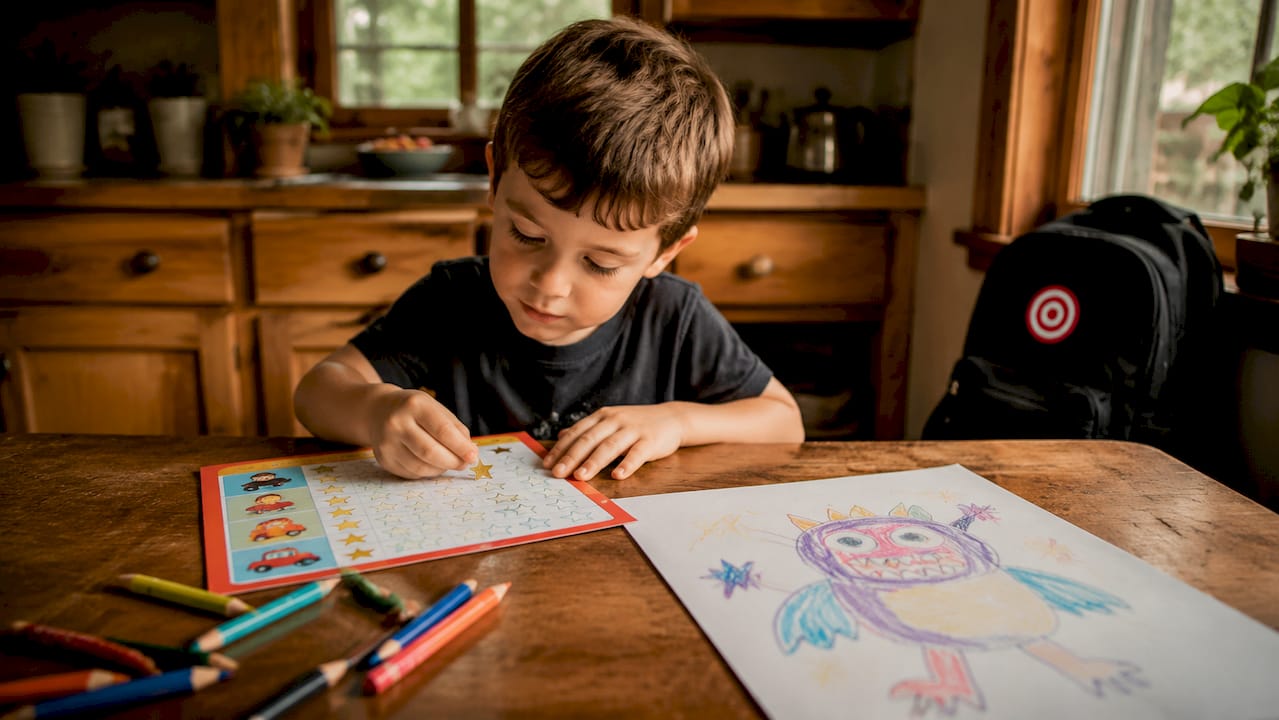
For preschool and pre-K, skip the written log entirely. Use a simple sticker chart for each read-aloud session. Phonemic awareness activities do not require books at all. Rhyming games, sound-blending exercises, and clapping syllables during conversation build the same foundational auditory skills that predict reading success.
3. Practical methods to implement and sustain checklist use
A checklist only works if children actually use it. The physical environment and adult behavior matter as much as the checklist design itself.
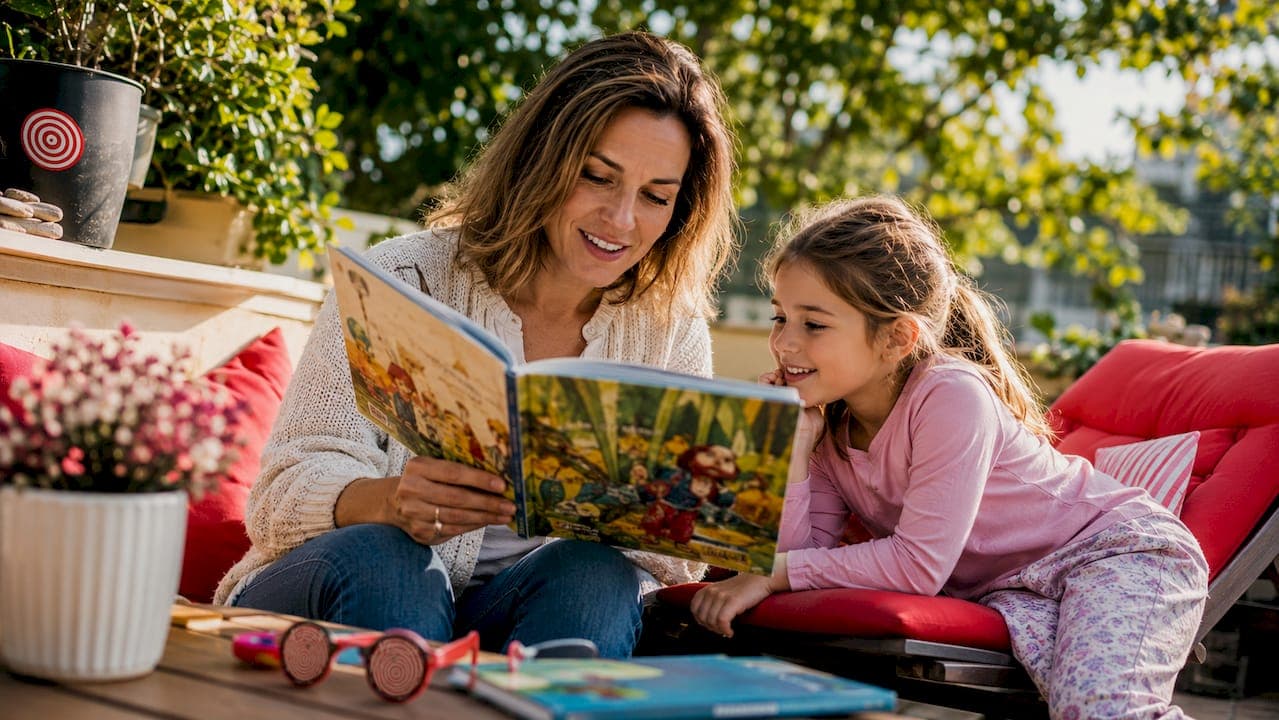
Create a dedicated reading space. A cozy corner with good lighting, a basket of books at eye level, and a comfortable seat signals to a child that reading is a priority. The space does not need to be large or expensive. A beanbag chair and a small bookshelf work perfectly.
Model reading yourself. Adult role modeling has greater impact on children's reading habits than formal checklists alone. When children see adults reading for pleasure, they internalize reading as a leisure activity rather than a school task. Put your phone down and pick up a book during their reading time.
Here are four steps to build checklist use into a daily routine:
- Set a consistent reading time. After dinner or before bed works well for most families.
- Let the child update the checklist immediately after reading. Fresh impressions produce better reflections.
- Celebrate visible milestones. When a child fills a row of stickers or colors in a bookshelf, acknowledge it out loud.
- Use the genre tracker to guide your next library visit. Ask the child what genre they want to try next.
Pro Tip: Pair the checklist with curiosity-boosting activities for kids between reading sessions. Children who stay curious between books return to reading faster.
4. How personalized checklists build children's reading motivation
Choice is the most powerful motivator in a child's reading life. Surveying student interests to curate reading materials increases reading volume and stamina more effectively than generic "must-read" lists. A checklist that reflects a child's identity, not a teacher's syllabus, produces dramatically different results.
Children who track favorite magazines, graphic novels, or comic books build the same foundational engagement as novel readers. The format matters far less than the habit. A checklist that prioritizes choice and autonomy over volume reduces reading avoidance and builds long-term stamina.
The table below shows how checklist features either support intrinsic motivation or create extrinsic pressure:
| Checklist Feature | Supports Intrinsic Motivation | Creates Extrinsic Pressure |
|---|---|---|
| Star rating system | ✓ Child-driven opinion | |
| Rigid monthly book quota | ✓ Volume-focused stress | |
| "Books I recommend" section | ✓ Builds identity as a reader | |
| Teacher-assigned reading log | ✓ Compliance-driven | |
| Genre preference tracker | ✓ Encourages exploration | |
| Points or prizes for books read | ✓ Rewards quantity, not joy |
Adding a "Recommend to a Friend" line at the bottom of each book entry is one of the most underused checklist features. It shifts the child's mindset from passive consumer to active reader. That single shift changes how they approach every book they pick up.
For educators, STEAM literacy integration strategies pair well with personalized checklists. Connecting reading to science experiments or art projects gives reluctant readers a concrete reason to engage with nonfiction and informational texts.
5. How to use checklists to support reading comprehension growth
A checklist is not just a tracker. It is a low-stakes comprehension tool when designed correctly. The reflection section, in particular, builds critical thinking without the pressure of a formal book report.
Start with simple prompts for younger readers. "My favorite part was..." or "I would give this book __ stars because..." are enough. Older readers can handle prompts like "One thing I learned" or "A question I still have." These prompts mirror the kinds of structured literacy approaches that identify comprehension gaps and customize instruction.
Drawing a favorite character or scene is a legitimate comprehension activity for early readers. It requires recall, visualization, and emotional connection to the text. Do not underestimate it. For children who resist writing, drawing becomes the bridge that keeps the checklist habit alive.
6. Common checklist mistakes that kill reading motivation
The most common mistake is treating the checklist as a report card. When children feel judged by their log, they stop filling it in honestly or stop reading altogether. The checklist should belong to the child, not the adult.
Avoid setting book quotas that exceed the age-appropriate targets. Pushing a second grader to read 50 books a year creates anxiety, not readers. Daily reading targets of 15–20 minutes are more sustainable than monthly book goals. Sustainable habits outlast any single school year.
Never take the checklist away as a punishment or use it to compare siblings. The moment a checklist becomes a weapon, it loses all motivational value. Keep it positive, keep it personal, and let the child lead.
7. How to choose the best books for children using checklist data
The genre tracker and star rating sections of a checklist generate real data about a child's preferences. Use that data deliberately. If a child gives every mystery book five stars, the next library visit should start in the mystery section.
The types of children's books available span picture books, early readers, chapter books, graphic novels, poetry, and nonfiction. Matching the format to the child's current reading level and interest profile produces faster engagement than selecting books by grade level alone. A reluctant reader who loves animals will read a nonfiction book about sharks before they touch an assigned novel.
For early readers, series books are particularly effective. The familiar characters and predictable structure reduce cognitive load, which lets the child focus on fluency and comprehension rather than decoding new settings and characters every time.
Key Takeaways
A children's reading habits checklist works best when it prioritizes daily time goals, personal choice, and age-appropriate book targets over rigid volume quotas.
| Point | Details |
|---|---|
| Daily time beats book counts | Target 15–20 minutes of reading daily to build sustainable habits without burnout. |
| Match checklist to age | Use grade-specific book targets from kindergarten through Grade 6 to set realistic goals. |
| Choice drives motivation | Genre trackers and star ratings give children ownership and reduce reading avoidance. |
| Adult modeling matters | Parents and educators who read for pleasure have more impact than any formal checklist. |
| Reflection builds comprehension | Simple prompts and drawings turn the checklist into a low-stakes comprehension tool. |
What I have learned about checklists and reading joy
I have watched children light up when they fill in a star rating for a book they genuinely loved. I have also watched that same light go out when an adult turns the checklist into a performance review. The difference is not the tool. It is the intention behind it.
The biggest pitfall I see is adults treating the checklist as proof of effort rather than a record of joy. A child who draws their favorite character instead of writing a summary is not cutting corners. They are processing the story in the way that works for their brain. Honor that.
Structure matters, but flexibility matters more. A checklist that a child abandons in week two is worthless. A checklist that a child returns to every night for a year, even if it is messy and inconsistent, is doing its job. The goal is a lifelong love of books, not a perfect reading log.
One thing I advocate strongly: let children recommend books to you. When a child hands you a book and says "you have to read this," they have crossed a threshold. They are no longer a reluctant reader. They are a reader. The checklist helped get them there, but the joy is entirely theirs.
— Mark
Children's books worth adding to your reading checklist
Building a reading habit is exciting. Finding the right books to fuel it makes all the difference.

Markwatsonbooks offers a children's book collection designed to spark curiosity and keep young readers coming back for more. From picture books to chapter-length adventures, the range covers the genres children actually want to read. Parents and educators can browse the full books catalog to find titles that align with their child's checklist interests and reading level. Every book on the site comes with a summary so you can match the story to the child before you buy.
FAQ
What is a children's reading habits checklist?
A children's reading habits checklist is a tracking tool that combines book logs, genre preferences, daily time goals, and reflection prompts to build consistent reading routines. It works best when it prioritizes choice and fun over rigid book quotas.
How many books should a child read per year?
Recommended targets range from 5–15 books for kindergarteners to 25–50 books for Grade 4–6 students. Daily reading time of 15–20 minutes is a more sustainable measure than annual book counts alone.
What is a reading readiness checklist?
A reading readiness checklist tracks the Big Five foundational skills: phonological awareness, print awareness, letter knowledge, oral language development, and listening comprehension. These skills predict future reading success in kindergarteners.
How do I keep my child motivated to use a reading checklist?
Let the child own the checklist completely. Include star ratings, genre trackers, and a "recommend to a friend" section so the log reflects their personality rather than a school requirement.
What types of books count toward a reading checklist?
Any format counts, including graphic novels, magazines, comic books, nonfiction, and poetry. Children who track diverse formats build the same foundational reading engagement as those who read only novels.