
TL;DR:
- Young adult horror is a genre created for teenagers aged 13 to 18, featuring protagonists facing terrifying situations without adult guidance. It explores themes like identity, grief, and social fears through emotionally intense and psychologically sharp storytelling, distinguishing it from middle grade and adult horror. The genre is rapidly growing, utilizing diverse subgenres and media, and emphasizing protagonist agency and meaningful fears grounded in adolescent experience.
Young adult horror is one of the most misunderstood genres in fiction. Many readers assume what is young adult horror just means a watered-down version of adult scares, something tame for kids who can't handle the real thing. That assumption is completely wrong. YA horror is horror fiction built for teen readers, featuring protagonists aged 13 to 18 who face terrifying, high-stakes situations without adult guidance. It's raw, psychologically sharp, and emotionally intense. If you've ever felt the genre was too simple to bother with, this guide will change your mind fast.
Table of Contents
- Key takeaways
- What defines young adult horror as a genre
- Common themes in young adult horror stories
- Popular titles and authors shaping the genre
- How YA horror differs from middle grade and adult horror
- Tips for picking and enjoying YA horror books
- My take on what YA horror really means
- Explore horror with Markwatsonbooks
- FAQ
Key takeaways
| Point | Details |
|---|---|
| YA horror centers teen protagonists | Stories feature characters aged 13–18 making life-or-death choices without adult help. |
| Themes go beyond surface scares | Identity, grief, trauma, and social fears drive the emotional core of YA horror stories. |
| It sits between middle grade and adult horror | YA horror is darker than middle grade but avoids the extremes found in adult horror. |
| Protagonist agency defines the genre | The horror forces identity decisions under pressure, not just creepy settings or jump scares. |
| The genre is growing fast | Major publishers and film adaptations have made YA horror a recognized, thriving category. |
What defines young adult horror as a genre
The simplest answer: YA horror is horror fiction written specifically for teen readers, where the protagonist is a teenager facing terrifying circumstances without the safety net of adults. But that definition only scratches the surface.
What truly separates this genre from others is the combination of genuine horror mechanics and the specific psychological weight of being a teenager. Think about it. You're at an age where you're figuring out who you are, where you belong, and what you believe. Now add a monster. Or a haunted house. Or a murderer who knows your name. That's the engine powering YA horror's intense emotional pull.
Here are the core features of young adult horror that make it recognizable:
- Teen protagonists aged 13–18. The story belongs to them. Adults are absent, unhelpful, or part of the problem.
- High-stakes choices. Characters face do-or-die decisions that force them to define their values under pressure.
- Horror mechanics with emotional depth. Supernatural threats, psychological terror, and suspense are all present, but they serve the character's inner journey.
- Mature but not extreme content. YA horror includes more violence and psychological themes than middle grade, while stopping short of the explicit extremes in adult horror.
- Identity as the battleground. The scariest thing in most YA horror isn't the monster. It's losing yourself in the process of surviving.
One of the most important things to understand about what defines young adult horror: the setting alone doesn't make it. A haunted school or a cursed town is just decoration. The protagonist's active decision-making under pressure is what gives the genre its heartbeat. Without that, you just have atmosphere.
Pro Tip: When you pick up a YA horror novel, pay attention to how often adults are absent or ineffective. That pattern is intentional, and it tells you a lot about the genre's core philosophy.
Common themes in young adult horror stories
Young adult horror themes aren't random. They map almost perfectly onto the fears and pressures real teenagers actually live with. That's why the genre hits so hard for the right reader.
Here are the emotional arcs and themes you'll find running through the best young adult horror books:
-
Identity under siege. Teens are constantly asking who they are. YA horror weaponizes that uncertainty. When a character doesn't know if they can trust their own instincts or perceptions, the terror becomes deeply personal.
-
Grief and trauma. Many YA horror stories use supernatural elements to externalize real emotional pain. A ghost might represent unprocessed loss. A curse might stand in for generational trauma. The horror makes the emotional wound visible.
-
Fear of the unknown. This is one of the most primal human fears, and YA horror keeps mystery and suspense alive by deliberately denying complete explanations. You don't always get a tidy answer, and that mirrors adolescent life perfectly.
-
Social fears: bullying and isolation. Many popular young adult horror novels use horror scenarios to amplify the very real terror of being excluded, humiliated, or hunted by peers. Think of it as high school anxiety turned lethal.
-
Resilience and survival. This is crucial. Many YA horror stories end with hope or redemption, even after tremendous darkness. Readers get to see characters survive the unsurvivable and come out changed but stronger.
This blend of genuine fear and emotional growth is exactly why horror builds emotional resilience in teen readers in a way few other genres can match. It's not escapism. It's practice for real fear.
Pro Tip: If a YA horror book is hitting you hard emotionally, that's by design. The best authors in this genre write scares that correspond to real teen fears about losing control and not knowing who to trust.
Popular titles and authors shaping the genre
The young adult horror genre has a rich history and a genuinely exciting present. Knowing a few key titles and authors helps you understand the range of what's possible.
| Era | Notable Title / Author | Subgenre |
|---|---|---|
| 1990s | Goosebumps series by R.L. Stine | Gateway horror / supernatural |
| 2000s | Anna Dressed in Blood by Kendare Blake | Supernatural / ghost thriller |
| 2010s | The Haunting of Hill House adaptations | Psychological horror crossover |
| 2020s | Holly Horror by pauline melville | Gothic / contemporary horror |
| Ongoing | Terrorbytes anthology | YA horror anthology |
R.L. Stine is the undeniable gateway figure. His Goosebumps and Fear Street series introduced millions of readers to age-appropriate horror and proved the audience for this genre was enormous and hungry. Modern writers like Kendare Blake and Victoria Schwab have since pushed the genre into darker, more psychologically complex territory.
Here's what makes the current wave of young adult horror recommendations especially exciting:
- Diversity of subgenres. You'll find slasher stories, gothic horror, supernatural thrillers, psychological horror, and cosmic terror all living under the same YA umbrella.
- Publisher recognition. Penguin Random House publishes dedicated YA horror lists, confirming the genre's standing as a distinct shelf category.
- Adaptations driving discovery. Film and TV adaptations of YA horror have pulled in audiences who never would have found the books otherwise, expanding the community fast.
- Comics and anthologies joining in. Titles like Lenore: Ghost Story bring the genre into visual storytelling, giving readers even more ways to experience YA horror.
This is a genre that's actively evolving, and there has never been a better time to explore it.
How YA horror differs from middle grade and adult horror
One of the most useful things you can do as a reader is understand where YA horror sits in the broader spectrum of horror fiction. It's not the same as middle grade scary stories, and it's not the same as adult horror either.
| Category | Tone | Content | Protagonist age | Typical outcome |
|---|---|---|---|---|
| Middle grade horror | Lighter, more playful | Mild scares, no explicit content | 8–12 | Resolved, often funny |
| Young adult horror | Darker, psychologically real | More mature, with violence and relationships | 13–18 | Hopeful but earned |
| Adult horror | Intense, boundary-pushing | Explicit content, complex psychology | Adults | Variable, often dark |
Middle grade horror, like classic monster stories for younger readers, keeps the scares entertaining and the resolutions safe. You can learn more about that side of things in this look at monster horror in kids' books. YA horror drops the safety net. The threats are real, the stakes are personal, and the damage lingers.
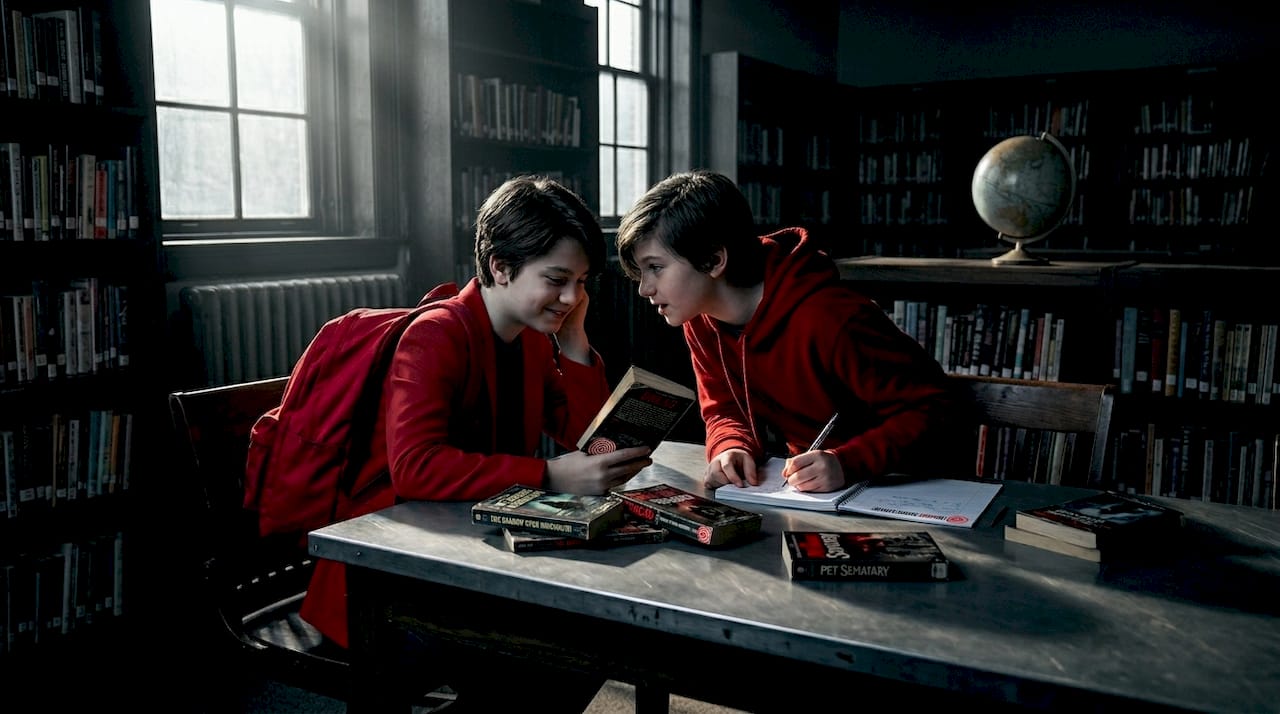
Adult horror, on the other hand, operates with fewer restrictions. It can explore explicit violence, sexuality, and psychological disintegration in ways YA doesn't. That doesn't make adult horror better. It makes it different. Adult horror often rewards readers with complex, morally ambiguous narratives and sometimes refuses to offer any comfort at all.
YA horror sits in a deliberate sweet spot. It's dark enough to feel genuinely terrifying. It's grounded enough in emotional truth to feel relevant to teen life. And it almost always gives readers something to hold onto by the end. If you want to see how the broader horror genre guide maps out, that comparison makes the YA space even clearer.
Tips for picking and enjoying YA horror books
Ready to dive into some young adult horror recommendations? Here's how to get the most out of the experience:
- Know your comfort level. YA horror ranges from mildly spooky to genuinely disturbing. Read a short summary or the first chapter before committing. You want challenged, not traumatized.
- Look for protagonist agency. The best YA horror puts teens in charge of their own survival. If the protagonist is passive for most of the story, the emotional payoff won't land the same way.
- Match your mood to the subgenre. In the mood for something bloody and fast-paced? Try slasher. Want slow dread that crawls under your skin? Reach for psychological or gothic horror. The popular young adult horror novels span a huge range.
- Read reviews with purpose. Don't just look for star ratings. Look for comments about pacing, emotional depth, and how scary the book actually is. That tells you more than a score ever will.
- Embrace the blend. YA horror isn't just about the scares. The emotional storytelling is half the point. Let yourself feel the grief, the friendship, the desperation. That's where the real power lives.
- Use it as safe practice. YA horror gives teens a safe context to confront fear and build resilience. If a book scares you, that's working as intended. You come out the other side having practiced facing something terrifying and surviving it.
The genre also pairs well with peer reading. Reading a YA horror novel with a friend and discussing the themes turns the experience from solitary dread into something shared and surprisingly energizing.
My take on what YA horror really means
I've spent years immersed in horror fiction, writing it, reading it, and watching readers respond to it. The misconception I encounter most often is that YA horror is soft. That it sanitizes fear. That serious horror fans should move on to adult fiction as quickly as possible.
That thinking misses the point entirely.
What I've learned is that YA horror corresponds directly to teen fears of uncertainty and lost control. Those fears are not small. They're among the most intense fears a person ever feels, precisely because adolescence strips away your certainty about who you are. When a great YA horror novel puts a character in a situation where survival depends on self-knowledge, that's not a simple story. That's a profound one.
The books I respect most in this genre are the ones that refuse to let the horror be just decoration. The scares have to earn their place. The responsible scaring framework I've seen discussed in serious literary analysis captures this well: the goal isn't shock, it's meaning. Fear in service of growth. Darkness that illuminates something true.
I'm genuinely excited about where this genre is heading. More diverse voices, more subgenres, more willingness to push the psychological depth while still keeping the story grounded in the teen experience. That's a genre worth taking seriously.
— Mark
Explore horror with Markwatsonbooks
If this article has you itching to find your next great YA horror read, Markwatsonbooks has you covered.

Mark Watson's catalog spans horror thrillers, creepypasta anthologies, and stories built to thrill readers who love the dark side of fiction. Whether you're just stepping into the genre or looking for something that pushes further than your last read, the horror collection is a great place to start. For a wider look at everything available, browse the full books catalog and find a title that matches exactly what you're after. The scares are waiting. Don't let them wait too long.
FAQ
What is young adult horror?
Young adult horror is horror fiction written for teen readers, typically featuring protagonists aged 13–18 who face terrifying, high-stakes situations without adult help. The genre blends traditional horror mechanics with coming-of-age themes like identity, grief, and resilience.
How is YA horror different from adult horror?
YA horror includes mature themes like violence and relationships but avoids the explicit extremes of adult horror. Adult horror often pushes further into graphic content and psychological complexity, while YA horror balances genuine darkness with emotionally hopeful outcomes.
What are some features of young adult horror?
Key features include teen protagonists, protagonist-driven decision-making under intense pressure, horror settings that amplify real adolescent fears, and emotional arcs that often end in survival or redemption rather than pure despair.
Are there well-known young adult horror authors?
Yes. R.L. Stine pioneered the genre with Goosebumps and Fear Street, while modern authors like Kendare Blake have pushed it toward darker psychological territory. Major publishers like Penguin Random House now maintain dedicated YA horror lists.
Can YA horror actually be scary?
Absolutely. YA horror uses fear of the unknown, social terror, and psychological dread to create genuine tension. Because the scares are tied directly to real teen anxieties about identity and control, they often hit harder than surface-level shock tactics.