
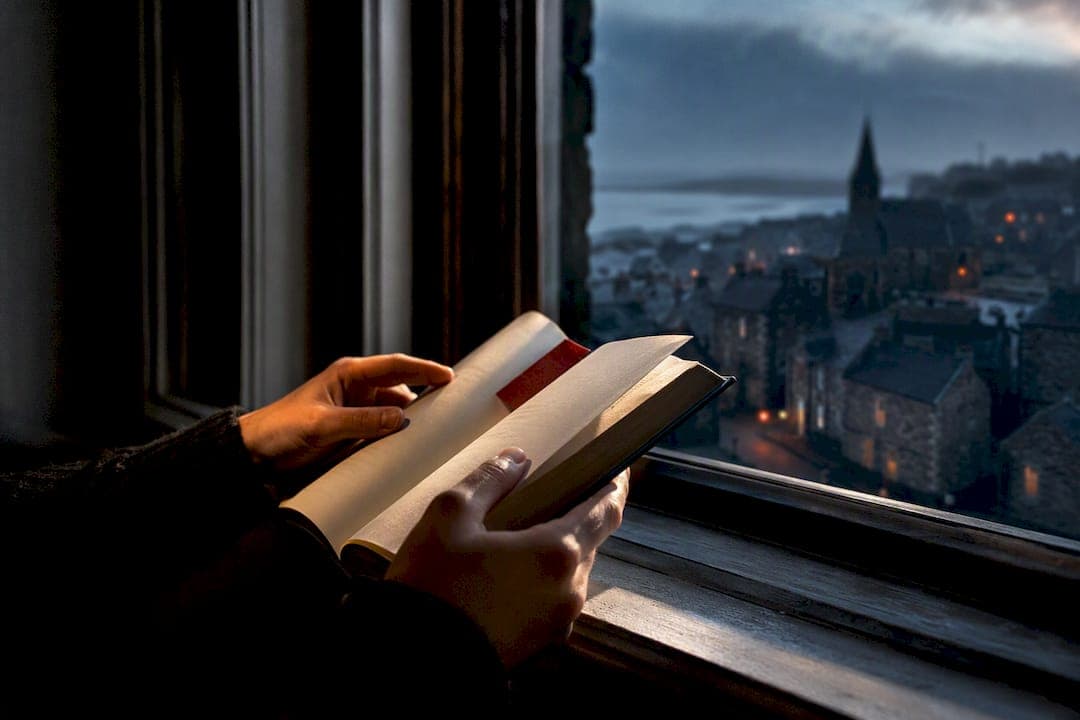
Start with Field of Frights, Quaint Folk, and The Forest Bleeds if you want proof that no setting unsettles readers quite like a small town. These books turn cozy main streets and tight-knit neighbors into pressure cookers of generational trauma and folklore gone wrong. Ahead: a curated shortlist, the subgenres worth knowing, and how to pick the right one for your mood.
TL;DR:
- Small town horror often combines community secrets, folklore, or trauma with atmospheric settings that amplify dread and restrict escape.
- Subgenres include folk horror for slow, ritual-driven narratives, slasher horror for fast-paced adrenaline rushes, and queer or modern horror for fresh perspectives.
- Choosing the right book depends on your preferred pace, narrative structure, and themes, with recommendations to read the first chapter to gauge the town's character.
- Short fiction collections can provide quick, varied scares that capture the same claustrophobic atmosphere as novels, ideal for limited reading time.
- Major titles like Field of Frights, Quaint Folk, and The Forest Bleeds remain accessible through UK libraries, independent bookstores, and genre-specific lists for new releases.
Table of Contents
- 1. Eight small town horror books to read first
- 2. Which small town horror subgenre fits your mood?
- 3. How to choose the right small town horror book
- 4. Mark's picks for readers who want scares in small doses
- 5. Why small towns make the scariest settings
- Looking for scares in shorter form?
- Sources
- FAQ
1. Eight small town horror books to read first
Small towns trap their characters, and that claustrophobia is exactly why this list works. Every neighbor knows your business, every secret has roots that go back generations, and escape is never as simple as driving to the next county. Here are eight titles that use that pressure to devastating effect.
- Field of Frights by Christina Hagmann drops readers into a Wisconsin town where old wounds and slasher-movie homage collide. The review from Strange Horizons notes its nods to Nightmare on Elm Street and Friday the 13th, layered over real generational trauma. It suits readers who want their scares fast and cinematic.
- Quaint Folk by Bitter Karella takes the postcard-perfect small town and lets the rot show through. Hachette's own listing frames it as queer folk horror with a satirical edge, closer to The Wicker Man than a typical haunted house tale. Pick this one if you want your horror sharp-tongued and pointed.
- The Forest Bleeds by Rachel Kitch strands academic characters in an Appalachian town where blood magic and local menace close in fast. The publisher description leans into dark academia colliding with folk dread, a combination that rewards patient, atmosphere-first readers.
- Classic entries in the genre, the kind that show up again and again on lists like The Fantasy Review's roundup of towns hiding dark secrets, remain a smart starting point if you have never read small-town horror before.
- Genre-focused lists such as Goodreads' small town horror shelf are worth browsing for readers who want to sample widely before committing to a full novel.
- If your library stocks UK editions of any of the above, check there first. Independent bookshops and UK retailers frequently carry these titles, and a librarian can flag which ones are in print locally.
- Readers who love the dread but not the page count have another option: Short-fiction collections can deliver the same small-town unease in a fraction of the time.
- Whichever title you start with, expect the setting itself to do as much damage as any monster on the page.
2. Which small town horror subgenre fits your mood?
Small-town horror splits into a few clear lanes, each built on a different kind of dread.
- Folk horror leans on festivals, harvest rituals, and old gods that never quite left. Quaint Folk is the sharpest recent example, and it rewards a slow, atmospheric read rather than a single sitting.
- Psychological and trauma-driven horror uses the town's memory against its characters, often through an unreliable narrator. The Forest Bleeds fits here, better suited to a reflective, one-chapter-a-night pace.
- Slasher and monster horror moves fast and leans on genre homage, the way Field of Frights nods to classic teen horror. This is your binge pick, built for a single dark evening.
- Queer and modern horror reworks familiar small-town tropes through fresh perspectives, and Quaint Folk again leads the pack. Good for book clubs that want plenty to discuss afterward.
3. How to choose the right small town horror book
Before you commit to a book, figure out what kind of scare you actually want. A few questions make the decision easier.
- Do you want a folk-horror slow burn or a slasher-style adrenaline rush?
- Would you rather follow one unreliable narrator or watch a whole town's perspective unfold?
- How long do you want to spend in this world: a weekend binge or a slower, chapter-by-chapter read?
- Are there themes, like violence against children or animals, you would rather avoid going in?
A first-person unreliable narrator tends to tighten the claustrophobia, while a multi-perspective structure spreads the dread across the whole community. Length matters too: a 400-page slow burn asks for patience that a tighter, plot-driven slasher never will. If you are shopping in person, most UK independent bookshops shelve horror by subgenre, so ask staff to point you toward folk horror specifically if that is your target.
Pro Tip: Read the first chapter before committing. If the town itself feels like a character within ten pages, you have found the real thing.

4. Mark's picks for readers who want scares in small doses
Short fiction can build small-town dread just as effectively as a full novel, often faster. Here are three picks from Mark Watson's own catalog for readers who want quick, varied scares.
- Creepypasta: Origins collects internet-horror tales that lean on isolated settings and half-true local legends, a good entry point if you are new to the format.
- Creepypasta - Volume 1: The First Fifty Stories offers fifty different voices and settings in one volume, ideal for sampling multiple flavors of dread in short bursts.
- Creepypasta - Volume 3: Fifty MORE Stories continues that variety for readers who finished Volume 1 wanting more.
Short stories compress the same atmosphere a novel builds slowly, which makes them a strong companion to longer small-town horror reads.
5. Why small towns make the scariest settings
Small towns work as horror settings because everyone already knows everyone's business, and that closeness curdles fast when a secret surfaces. The dread comes from community, not isolation: you cannot outrun a neighbor who has known your family for three generations. I'd read the slow-burn folk horror titles late at night, one chapter at a time, and save the slasher-style picks for a single sitting when you want the tension to peak fast. For more on how these themes are shifting, our post on modern horror trends digs into where the genre is heading next.
— Mark
Looking for scares in shorter form?
If you have already burned through the novels above and want more without committing to another 400 pages, Some collections deliver small-town dread in doses that you can finish in an evening.

The Horror collection and the Creepypasta collection both pack varied voices and settings into short-form scares, a solid complement to the longer reads on this list. Browse either collection now and add your next quick read to the cart.
Sources
- Field Of Frights by Christina Hagmann By Racheal Chie
- Quaint Folk by Bitter Karella | Hachette Book Group
- The Forest Bleeds by Rachel Kitch | Hachette Book Group
- 6 Horror Novels Set in Small Towns with Dark Secrets — The Fantasy Review
FAQ
What makes a book count as small town horror?
Small town horror uses a tight-knit, isolated community as its central threat, where secrets, folklore, or generational trauma turn familiar neighbors into sources of dread. The setting itself does much of the work that a monster or killer would do in other horror subgenres.
What is a good entry point into small town horror?
Field of Frights is a strong starting point because it leans on familiar slasher conventions while adding real emotional weight, according to the Strange Horizons review. Readers who prefer atmosphere over pace might start with Quaint Folk instead.
Can short stories replace a full small town horror novel?
Short fiction can capture the same claustrophobic small-town atmosphere in far less time, which makes it a good option for readers who want a quick payoff. Mark Watson's Creepypasta collections work well alongside novel-length reads rather than as a full substitute.
How does small town horror differ from other horror subgenres?
Unlike haunted-house or cosmic horror, small town horror draws its dread from community and history rather than an outside force. The threat usually comes from within, rooted in local legend or a secret the whole town has agreed to bury.
Where can I find newly released small town horror books?
Publisher pages for titles like Quaint Folk and The Forest Bleeds show active 2026 releases in the folk and queer-modern horror space. Checking genre lists on sites like Goodreads regularly is a reliable way to spot new entries as they arrive.