
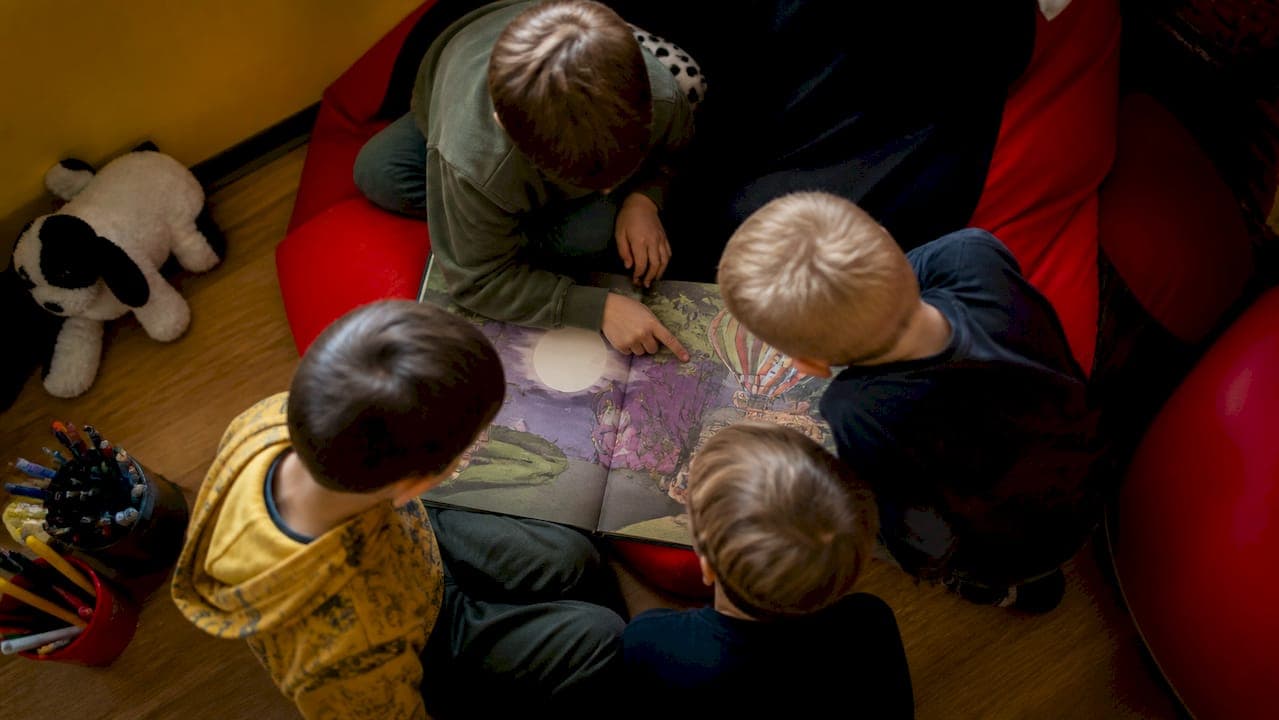
Book clubs turn kids into readers who want to show up, not readers who have to. The benefits stack up fast: stronger reading engagement, sharper comprehension and vocabulary, real critical thinking, plus the social and emotional wins that come from talking about a story with people who actually care what you think. Researchers tracking the Reading Engagement Scale found measurable gains across behavioral, affective, cognitive, and social engagement when kids joined small book clubs, and classroom data from NWEA backs it up. At Markwatsonbooks, we hear from parents constantly: the right group, the right book, and reading stops feeling like homework.
A book club doesn't just build better readers. It builds kids who trust their own voice.
Here's what a good one delivers:
- Stronger reading engagement and motivation
- Better comprehension and vocabulary retention
- Sharper critical thinking and argument skills
- Real gains in confidence and communication
- Empathy and teamwork built through discussion
- A social reason to finish the book
Key Takeaways
Book clubs work because structured discussion turns passive reading into active engagement, and that engagement drives measurable gains in comprehension, confidence, and social skills.
| Point | Details |
|---|---|
| Engagement drives outcomes | Discussion and full-length texts build deeper comprehension than isolated reading assignments. |
| Structure keeps clubs running | Small groups of 4 to 6, rotating roles, and a simple meeting cadence prevent clubs from fizzling out. |
| Low-pressure talk builds confidence | Removing grades and tests helps shy kids find their voice in discussion. |
| Cost isn't a barrier | Library loans, shared sets, and audiobooks keep clubs affordable for any family or classroom. |
| Markwatsonbooks supports club selection | Its children's book collection and reading checklists give parents and educators club-ready titles and picks. |
Table of Contents
- The Real Benefits of Book Clubs for Kids, Explained
- What the Research Says About Book Clubs and Reading Outcomes
- How Kids' Book Clubs Actually Work
- Discussion Prompts and Activities That Actually Work
- Running a Book Club Without Breaking the Budget
- A Classroom Example Worth Copying
- Why Shared Reading Sticks With Kids for Life
- Where to Find Club-Ready Books and Reading Resources
- Frequently Asked Questions
- Sources
The Real Benefits of Book Clubs for Kids, Explained
Reading engagement is the first domino. A kid reading alone for a school assignment is doing a chore. The same kid reading because their friend group is dying to know what happens next chapter? That's a completely different relationship with the book. Reading Is Fundamental puts it plainly: book clubs shift reading from a solitary, school-driven task into something social and genuinely joyful, and that shift is what builds motivation and a stronger reader identity over time.
The literacy gains follow naturally. Discussion forces kids to explain what a word meant in context, not just define it on a worksheet. Repeated exposure to new vocabulary during club conversations sticks better than a spelling list ever could, and when kids take on structured roles like summarizer or discussion leader, their writing and comprehension both improve because they're actively organizing their thoughts, not passively absorbing them.
Social and emotional growth might be the most underrated payoff. A quiet kid who never raises a hand in class will often speak up in a five-person book circle, because there's no test attached and no wrong answer to fear. That low-pressure setting is exactly what helps shy readers find their voice, according to RIF's own research on why clubs work for children.
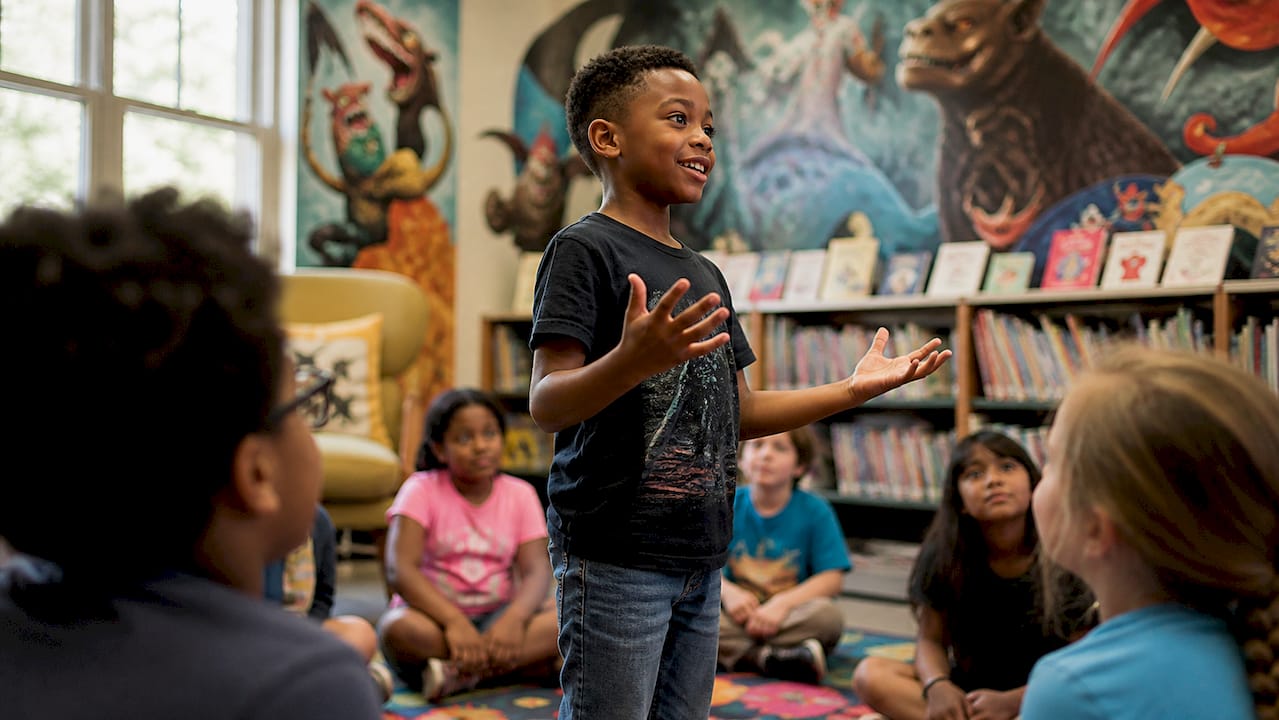
Critical thinking shows up in small, surprising moments. A ten-year-old defending why a character made the wrong choice is practicing evidence-based argument, whether they know it or not.
Pro Tip: Keep early discussions low-stakes by asking "what did you notice?" instead of "what does this mean?" Noticing invites everyone in; meaning-making can feel like a test.
What the Research Says About Book Clubs and Reading Outcomes
The Bookmarked Book Clubs intervention tested small reading groups with at-risk third graders and measured gains across all four subscales of the Reading Engagement Scale: behavioral, affective, cognitive, and social. Participants also showed positive academic progress, indicating that engagement gains can align with classroom goals.
NWEA's classroom research adds a practical layer: literature circles increase speaking and listening skills and give kids sustained time with full-length texts, which supports deeper comprehension than short passage drills ever manage.
Three things the data actually shows:
- Small clubs improved engagement across multiple measurable dimensions, not just enjoyment.
- Full-length texts plus discussion time outperform short, disconnected reading passages.
- Even brief, consistent meeting time produces real engagement benefits.
For parents and teachers, the implication is simple: consistency and discussion matter more than club size or fancy materials.
How Kids' Book Clubs Actually Work
Structure is what separates a book club from a group of kids sitting around ignoring a book. Group size and roles matter more than most people expect.
- Group size by age. Aim for 4 to 6 kids for upper elementary and middle grade. Younger readers do better in smaller pods of 3 to 4, often with an adult reading alongside them.
- Meeting cadence. Weekly works well for motivated groups; every two weeks suits busier schedules. NWEA's guidance notes even short, regular sessions produce real engagement gains.
- Assign rotating roles. A facilitator keeps discussion moving, a scribe notes big ideas, a connector links the book to real life, and a questioner brings discussion prompts. Rotating these roles builds ownership fast.
- Offer format flexibility. Some kids track better with audiobooks paired with print. Don't force one format on every reader in the group.
Before the first meeting, a quick checklist helps:
- Confirm everyone has access to the book, in whatever format works for them
- Set a simple reading timeline (a chapter or two between meetings, not the whole book)
- Choose titles at a range of reading levels so no one feels singled out
- Rotate genres and voices so the club reflects different cultures and experiences, not just one shelf
Discussion Prompts and Activities That Actually Work
Good activities don't need a budget or a lesson plan degree. They need a little structure and a lot of room for kids to talk.
For early readers, try character hot-seating: one kid answers questions "as" the main character while the group interrogates their choices. It's silly, and it works. For middle-grade readers, a book-to-movie comparison sparks real critical thinking about what a story loses or gains in adaptation.
Sample starters by age:
- Early readers: "Which part made you laugh or feel scared?" "Would you want this character as a friend?"
- Middle grade: "Did the character make the right choice? What would you have done?" "What does the title mean now that you've read more?"
Extension tasks stretch the club beyond the meeting itself:
- A short writing prompt: rewrite the ending in three sentences
- A vocabulary scavenger hunt through the chapter
- A "tell a family member" assignment that turns reading into a shared story
For virtual or hybrid groups, Edutopia's guidance on remote book clubs offers low-prep tools that keep discussion lively even when kids aren't in the same room.
Running a Book Club Without Breaking the Budget
You don't need new copies for every kid. Library loans, shared classroom sets, and audiobook access through library apps cover most of the cost. A simple three-meeting arc works well: kickoff to set the schedule and pick the book, a mid-cycle check-in for discussion, and a wrap-up celebration when the book's done.
- Borrow multiple copies from the library instead of buying new
- Split cost across families for one shared class set
- Use audiobooks for reluctant or struggling readers
- Skip elaborate snacks. A shared bag of pretzels works fine.
- Pair strong and developing readers as reading buddies for accessibility
A Classroom Example Worth Copying
The Bookmarked Book Clubs study ran small, student-centered book clubs in a Title 1 school and reported engagement gains across behavioral, affective, cognitive, and social subscales for at-risk third graders.
Small, low-cost interventions like student-led book clubs can move the needle on reading engagement in schools where resources are already stretched thin.
What made it work translates easily: short, consistent meetings, discussion roles that gave every kid a job, and scaffolded questions that didn't require a teacher to run the whole show. Track progress with anecdotal notes or a simple participation rubric instead of grades. Grading a book club kills the exact motivation it's supposed to build.
Pro Tip: If your school schedule is packed, run book clubs during a 15 minute homeroom slot twice a week instead of trying to find one long meeting. Short and frequent beats long and rare.
Why Shared Reading Sticks With Kids for Life
The books people remember most from childhood are rarely the ones they read alone. They're the ones they argued about with a friend, defended a character over, or stayed up late finishing so they wouldn't be the only one who didn't know the ending. That's the real case for making time for a weekly or monthly club. As an author writing for kids across very different genres, I've watched a good discussion do more for a reluctant reader than any assignment ever could.
Where to Find Club-Ready Books and Reading Resources
Picking the right book is half the battle, and Markwatsonbooks keeps a growing collection of children's books built with exactly this kind of shared reading in mind. Titles that work well in a club setting tend to have clear themes, relatable characters, and enough plot to fuel real discussion.

If you're not sure where to start, the children's book checklist for boosting literacy walks through how to pick age-appropriate, diverse titles that hold a group's attention past the first chapter. Parents looking to build habits at home before a club even starts might also like the guide to building a lifelong love of books, and for social-emotional angles, this partner piece on confidence and personalized reading is worth a look too.
Consider this one option among several, not the only path. Browse the children's books collection when you're ready to pick your club's next title, or sign up for updates on new releases that fit a club format well.
Frequently Asked Questions
What are the main benefits of book clubs for kids? The core benefits include stronger reading engagement, improved comprehension and vocabulary, sharper critical thinking, and social and emotional growth like confidence, communication, and empathy.
What age is best to start a kids' book club? Most educators find upper elementary, around ages 8 to 10, works well for independent group discussion, though younger kids can join adult-supported clubs with picture books or read-alouds.
How often should a kids' book club meet? Weekly or biweekly meetings work best. Even short, consistent sessions produce measurable engagement benefits, according to NWEA's classroom research.
Do book clubs actually improve reading skills, or just enjoyment? Both. Studies on small, structured book clubs report gains not just in enjoyment but in behavioral, cognitive, and academic engagement measures tied to real classroom assessment goals.
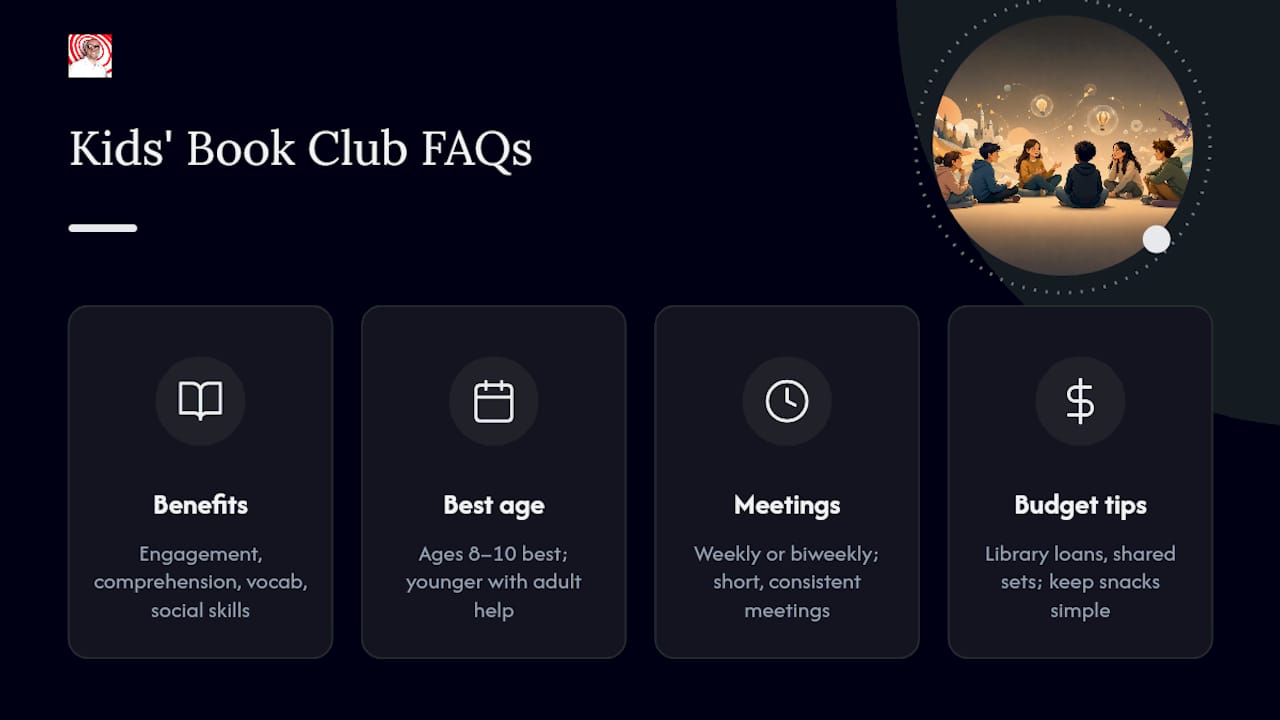
How do I run a book club on a tight budget? Use library loans, shared class sets, and free audiobook access instead of buying new copies for every child, and keep snacks or prizes simple.
Sources
- Reading Engagement Scale findings and Bookmarked Book Clubs intervention (Dickson 2025)
- The power of a school book club - Teach. Learn. Grow.
- Why Book Clubs Work for Kids
- How to set up a virtual book club for students