

Building and maintaining a personal book catalogue that reflects real reading habits, emotional connection, and social engagement is complicated by restrictive interfaces and algorithm-heavy recommendation engines. Most legacy platforms prioritize massive review aggregates or clunky list management rather than adaptable formats, curated discovery, or playful cataloging. You can use this side by side comparison of five author book catalogue alternatives to find the platform that best matches your preferred organization style, recommendation approach, and ease of reading progress tracking.
Table of Contents
- Crybaby
- The StoryGraph
- Book DNA
- Uncover
- Bookly
- Comparative Analysis of Alternatives to Goodreads.com
Crybaby
At a Glance
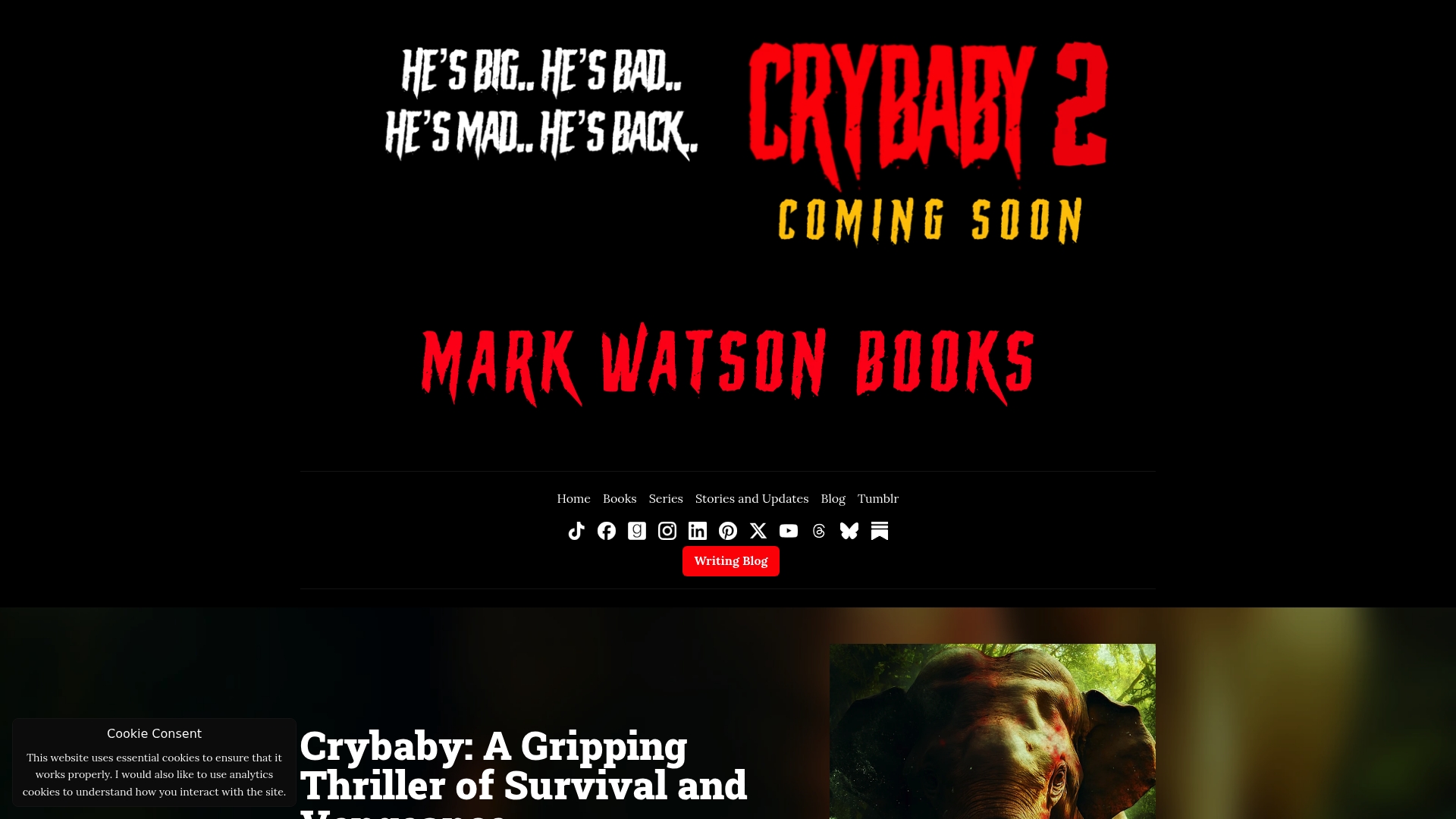
Mark Watson's marketing materials state the serialization of Crybaby drew more than 350,000 readers on Substack, a self-reported audience that supplied momentum for the full-book release. The book centers on a rogue Indian elephant and pairs visceral, cinematic prose with mythic jungle themes.
Crybaby blends primal horror, vivid atmosphere, and a serialized release model now available as a complete novel. Expect intense animal violence and a pacing that reads like a screenplay.
Core Features
- Serialized on Substack with substantial reader engagement, later compiled into a full-length novel.
- Visceral, cinematic storytelling focused on primal power, vengeance, and rich atmospheric detail.
- Multiple formats available: serialized chapters and a complete book edition for readers who prefer a single-volume experience.
- The author’s hub, Markwatsonbooks, presents book summaries, author background, visual cover art, and links to buy or learn more.
- The site includes a blog on storytelling techniques and free offer sign-ups that support reader discovery and community building.
Key Differentiator
The serialization-first path created an audience before the print launch. That serialized readership gave Crybaby direct reader feedback and sustained visibility on Substack, a route that many trad releases do not have.
Pros
-
Strong narrative voice and pacing. The prose is tense and imagery-driven, which keeps readers engaged across episodic chapters and through the compiled book.
-
The serialization supplied a built-in audience for launch. The figure above translated into word-of-mouth momentum and reader discussion on the Substack threads.
-
Works well for themed reading groups. Book clubs focused on animal horror or mythic adventures get a lot to unpack: symbolism, cultural context, and moral ambiguity.
-
Markwatsonbooks supports discovery and purchase. The site organizes Watson’s portfolio across horror thrillers, children’s books, and internet horror anthologies and provides clear purchase links and author background.
-
Multiple formats let you choose how you consume the story. Read it episodically on Substack, then switch to the full book for an uninterrupted experience.
Cons
- The book contains intense animal violence; sensitive readers may find scenes disturbing.
Who It Fits
Readers who favor animal horror, primal survival narratives, and cinematic pacing. Good for those who appreciate serialized storytelling or who want a book shaped by reader engagement. Less suitable for readers who avoid graphic animal conflict.
Unique Value Proposition
That pre-launch Substack audience created a ready testbed for the material and a platform for sustained conversation. For authors and publishers, the advantage is clear: serialized exposure reduced market friction and gave the book an immediate readership on release.
Real World Use Case
A reader follows Crybaby weekly on Substack, engages in the comments, then buys the compiled book to read the narrative continuously. The serialized threads provide context and discussion points for a later book-club meeting.
Pricing
Not applicable — informational only. Crybaby is presented as serialized content and as a full book; Markwatsonbooks lists summaries, format options, and purchase links rather than a software-style subscription model.
Website: https://markwatsonbooks.com
The StoryGraph
At a Glance
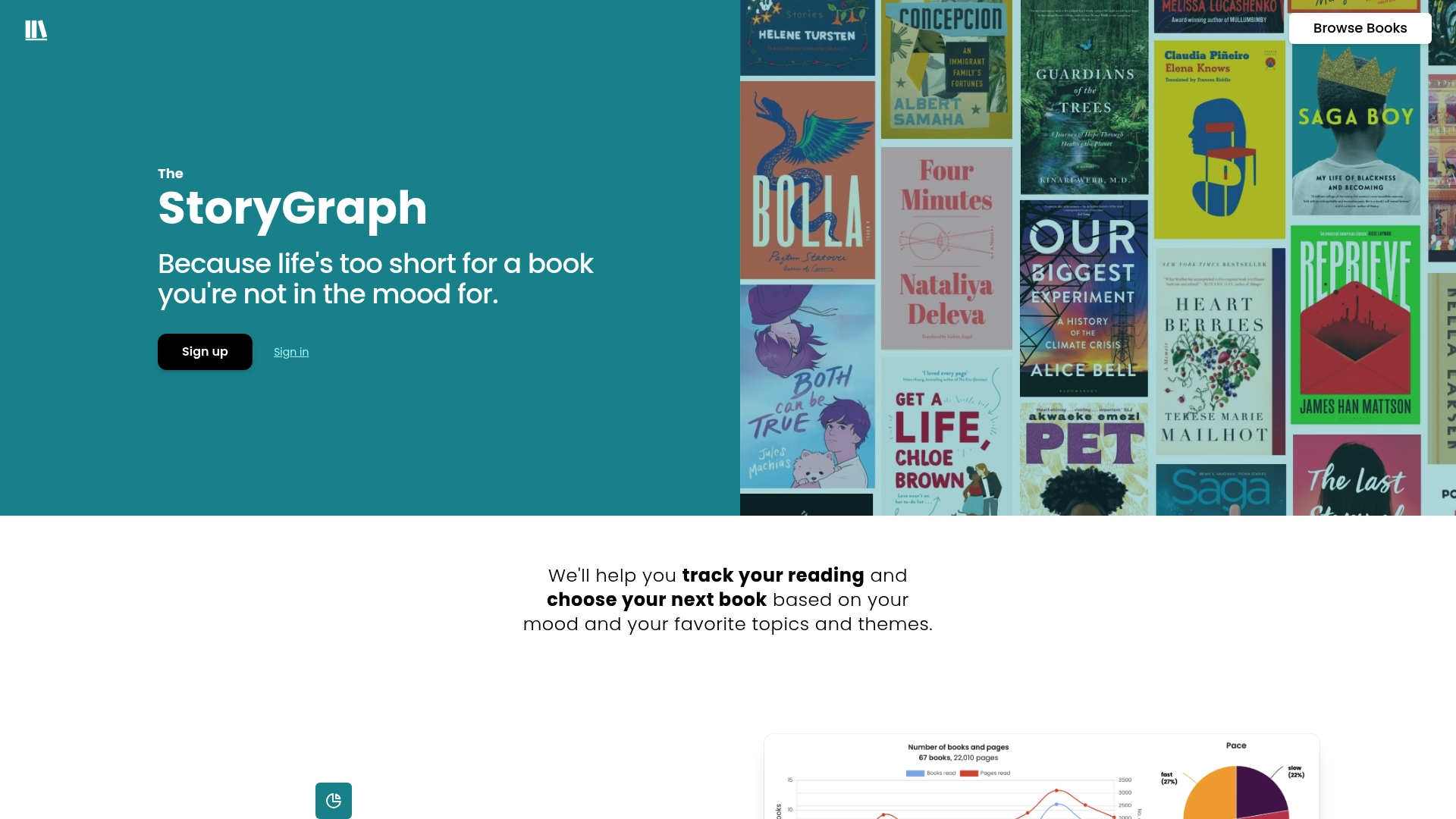
According to third-party reviews, readers frequently prefer The StoryGraph's clean interface and visual layout over older book-tracking sites. Its modern design makes adding books and scanning your shelves noticeably faster for casual use.
Core Features
The StoryGraph centers on a modern, clean interface and a simple process for adding titles to your profile. It offers reading progress tracking, basic recommendation signals, and a compact profile view that highlights recent activity and stats.
Key Differentiator
Where many competitors pile on filters and lists, The StoryGraph prioritizes clarity and speed. The product data positions its visual layout and streamlined flows as the defining feature, which lowers the friction for members who want quick management rather than deep cataloging.
Pros
-
Superior visual layout. The interface reduces clutter so you find books, ratings, and progress without hunting through menus.
-
Fast book addition. Adding a new title takes only a couple of steps, which keeps reading momentum for casual trackers.
-
Intuitive navigation. Profiles and lists are arranged so that daily checks and small updates are painless for members.
-
Friendly for casual readers. The StoryGraph works well for those who prefer aesthetics and ease over detailed catalog control.
-
Cleaner experience than older sites for many users. Reviewers often cite the interface above as the reason they switched.
Cons
-
Limited filtering and sorting. The platform's filtering options are thinner than some competitors, which frustrates readers who need advanced search by theme, pacing, or tag combinations.
-
Less powerful for deep catalogers. If you build complex shelving systems or run research on reading patterns, you may find the tools insufficient.
-
Perceived feature gap versus larger incumbents. Some members still view it as lighter than long-established alternatives in terms of ecosystem depth.
When It May Not Fit
If you rely on detailed filters to find obscure subgenres or you maintain dozens of custom shelves for professional cataloging, The StoryGraph will feel restrictive. Advanced readers who cross-reference metadata extensively will prefer a tool with stronger sorting controls.
Who It's For
Casual readers and book fans who value a pleasant interface and minimal friction when tracking reading. It fits members who check progress often, prefer visual summaries, and prioritize a tidy profile over exhaustive library management.
Real World Use Case
A member finishes a novel, updates their progress in under a minute, and accepts a short batch of recommendations that match mood and length. They use the clean profile view to compare monthly pages read and share one favorite title with a friend.
Website: https://thestorygraph.com
Book DNA
At a Glance
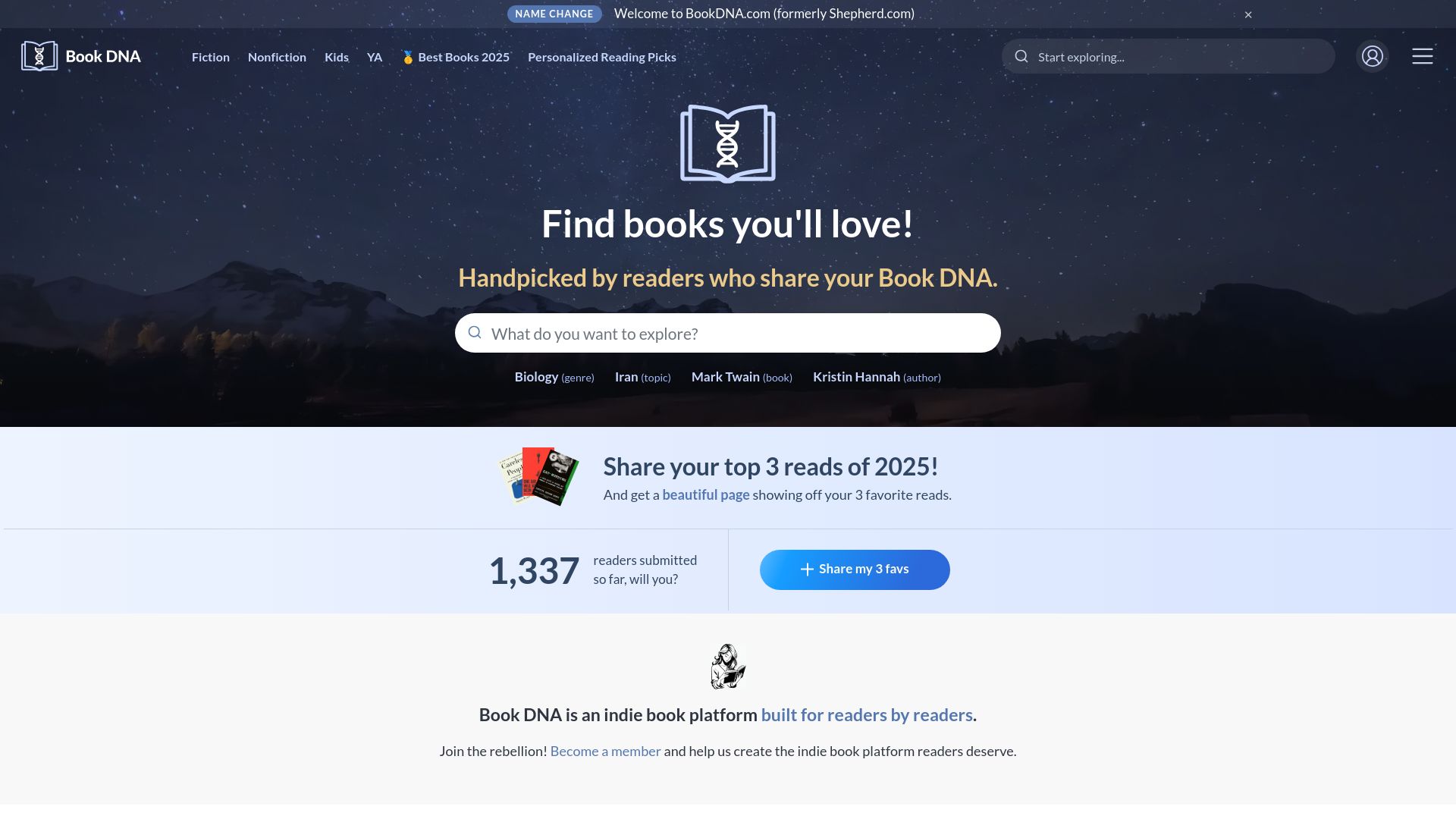
Curated lists on Book DNA frequently feature picks from authors, critics, and interesting personalities rather than relying on raw algorithmic signals. That editorial voice steers discovery toward emotional and imaginative reading choices, with sharing and community lists layered on top.
Core Features
- Curated book lists across genres and themes created by readers, authors, and guest curators.
- Personalized recommendations that adapt to your stated tastes and favorites rather than purely sales data.
- Author and expert input woven into lists to add context, reading order, and narrative hooks.
- Community-driven favorite lists and a simple profile system for sharing top reads and tracking tastes.
Key Differentiator
Book DNA centers recommendations around human curation and author voice so serendipity matters as much as matching scores. That emphasis shifts discovery from ‘‘what’s popular now’’ to ‘‘what a particular reader or writer will love,’’ making it feel more like a literary salon than a catalog.
Pros
- Strong discovery focus. Curators add reading routes and commentary that help you pick the next book with confidence rather than guessing from ratings alone.
- Author support built into the model. Writers can surface backlist titles and curated reading lists that attract engaged readers who actually care about context.
- Community energy without heavy forum overhead. Members share favorite lists and short comment threads instead of long argumentative threads that derail discussion.
- Good for emotional reading. The platform foregrounds imagination and feeling, which suits readers who value resonance over raw metrics.
Cons
- Limited external validation. The platform lacks substantive third-party reviews on Trustpilot, G2, or Capterra, which makes independent reputation harder to assess.
- Early-stage coverage. As a relatively new site, some genres and backlist titles are thinly represented compared with larger catalogs.
- Not a full review or bookstore replacement. You will not find exhaustive metadata or massive review aggregates for every title.
When It May Not Fit
If you need a single place to compare exhaustive critic reviews, comprehensive sales data, or every edition and ISBN, Book DNA is likely too narrow. Researchers, librarians, and readers who rely on exhaustive bibliographic records will find the platform light on technical cataloging.
Who It's For
Passionate readers who prefer curated, human-led suggestions over cold popularity lists. Also a good fit for indie authors who want to reach engaged readers through themed lists and personal recommendations rather than broad marketplace promotion.
Real World Use Case
A reader builds a profile, lists five favorites, and follows an author-curated list of lesser-known literary thrillers. Personalized picks arrive that reflect both the reader’s taste and the curator’s commentary, and the reader shares their own short list that attracts replies from other members.
Website: https://bookdna.com
Uncover
At a Glance
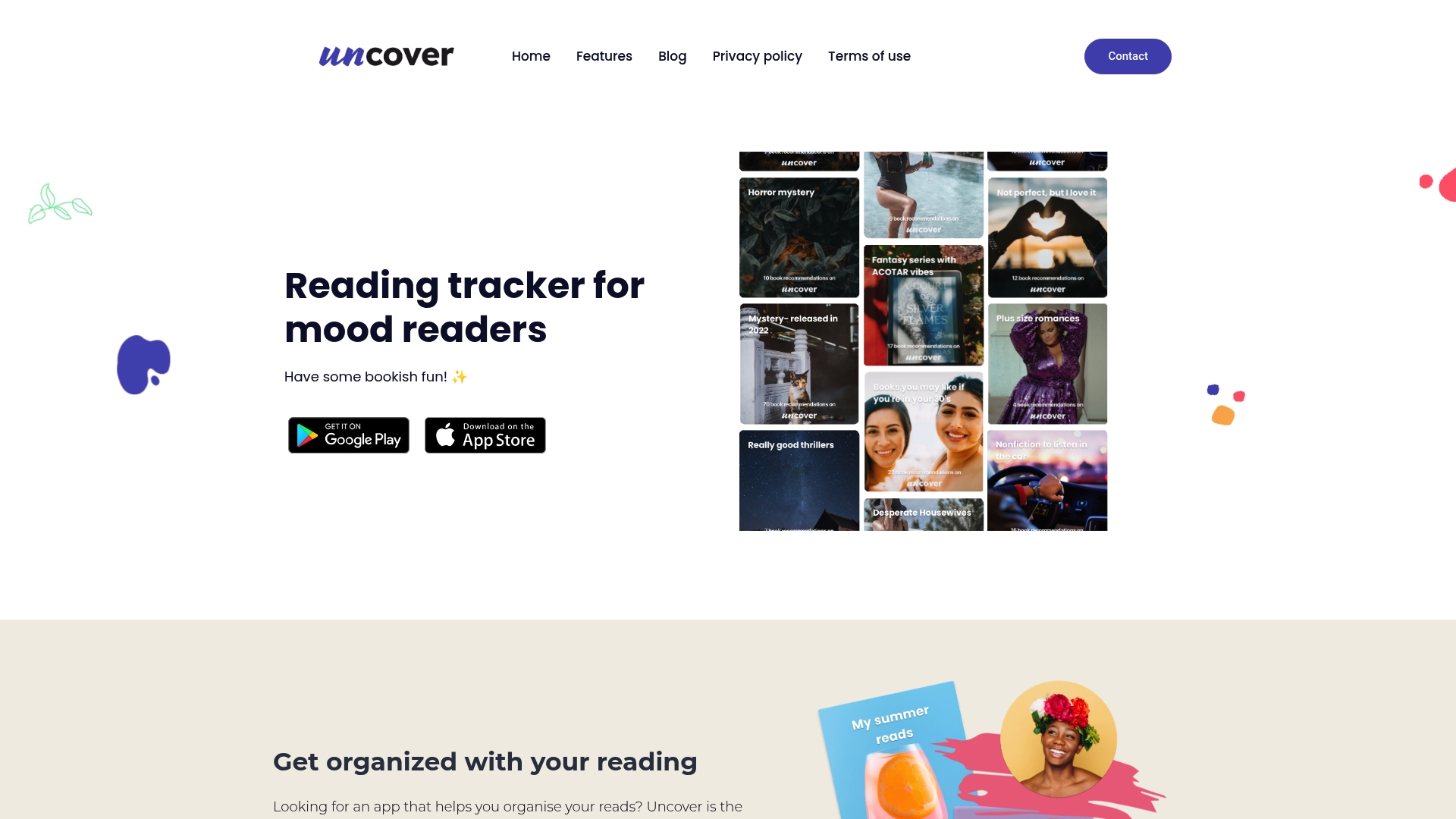
Automatic monthly reading wrap-ups give you a visual snapshot of your past month of books and activity, which is rare among reading trackers. The app targets mood readers who organise by vibe rather than strict lists, and it emphasizes visual profiles and social discovery.
Core Features
- Organize books into custom categories with personalized covers drawn from a large image library.
- Track reading status with clear states like Started, Want to read, Finished, and Stopped.
- Generate monthly wrap-ups automatically so you can review pace and themes without manual note taking.
- Follow other users, share collections, and join themed challenges such as A to Z, Romance, Mystery, and Fantasy.
- Search by hashtags and share recommendations to social channels from mobile apps on Android and iOS.
Key Differentiator
Uncover blends visual customization with social mechanics aimed at mood readers. The platform pairs custom covers and profile visuals with automatic summaries and community challenges to make collecting feel like a creative hobby instead of a ledger. That mix is narrower than spreadsheet trackers but more playful for people who read by feeling.
Pros
- The cover customization coupled with millions of images from Unsplash makes collections feel curated and shareable rather than utilitarian.
- Automated monthly wrap-ups reduce friction for habitual reflection and make trends visible without manual reporting.
- Following other users and hashtag search accelerate discovery of specific vibes and niche themes you might otherwise miss.
- Mobile-first design on both Android and iOS keeps tracking quick between reading sessions and supports sharing to social feeds.
- Challenges provide gentle gamification to help you restart reading streaks without pressure.
Cons
- No third-party user reviews or independent evaluations are publicly available, which makes it hard to verify reliability or long term stability.
- Public information does not document common bugs or platform specific issues, so you may encounter unknown edge cases during daily use.
- The focus on mood and visuals means advanced metadata and powerful export options are limited compared with research-oriented trackers.
- Pricing details for premium features are not clearly reported in public materials, so the long term cost model is unclear.
Notable Integrations
Uncover lists direct connections with Google Books for catalog data, Unsplash for image resources, and basic social media sharing to push collections to your feeds. These integrations keep setup light and make cover art and metadata quick to add without manual uploads.
Who It's For
Avid readers who prefer a playful, visual way to manage their shelves and who enjoy sharing curated collections with friends. Ideal if you choose books by mood and want social discovery rather than citation quality bibliographies.
Real World Use Case
You create a summer vibes collection with custom cover art, tag entries with #sunnyreads and #slowburn, and let Uncover compile the month into a wrap-up that you post to social media. Followers replicate picks, you join a mystery challenge, and your TBR shifts toward themed recommendations.
Website: https://theuncoverapp.com
Bookly
At a Glance
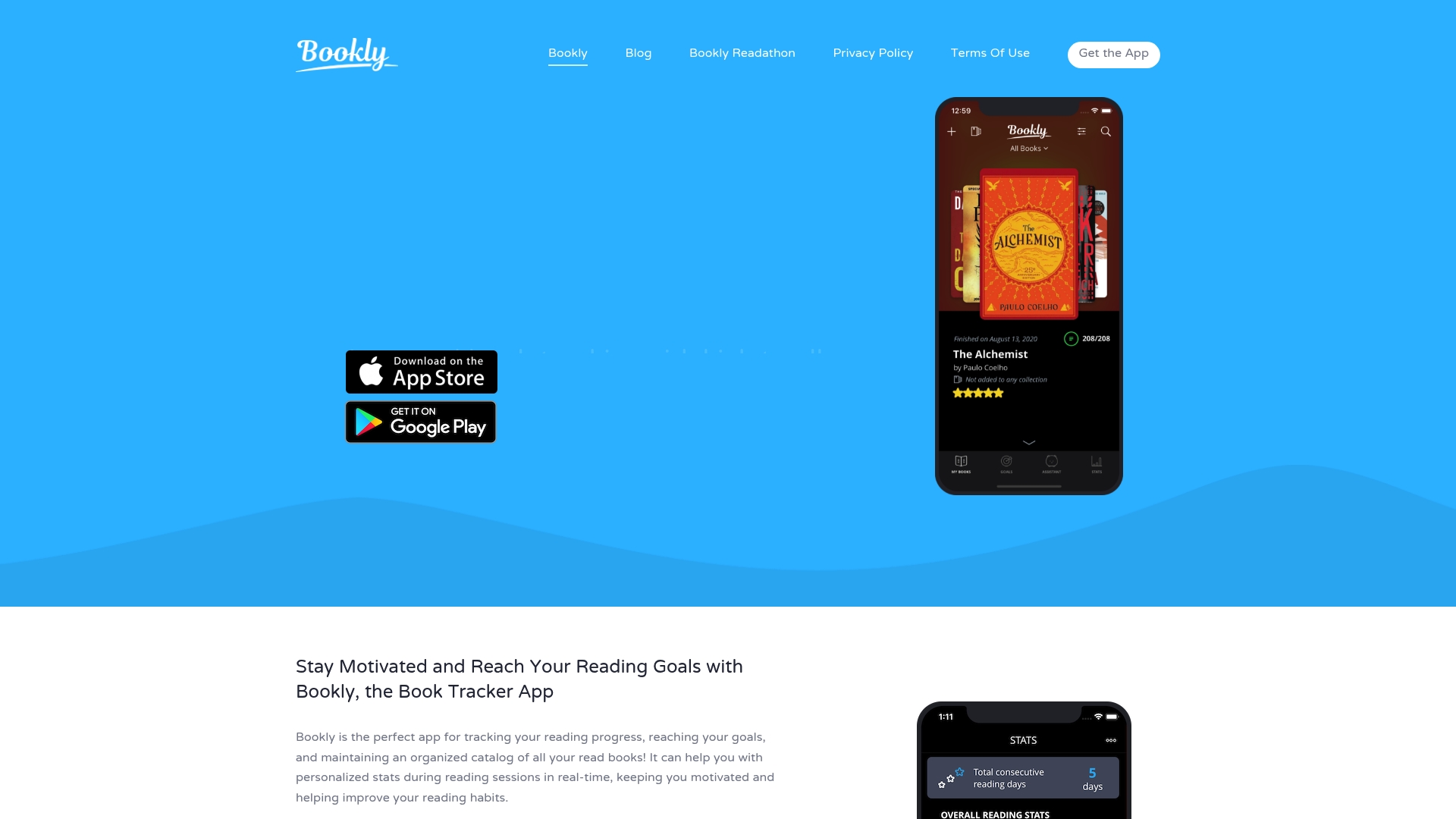
Bookly runs seasonal Bookly Readathons that pair time-limited reading goals with prize incentives such as gift cards and surprise gifts. The app also tracks reading live with a timer and turns session data into readable stats to help users build steady habits.
Core Features
- Real-time reading tracking with timer that logs session length and pages read.
- Organize and catalog books quickly using scanning or search.
- Save notes and memorable quotes tied to individual titles.
- Generate detailed reading statistics to visualise pace and formats read.
- Create and monitor reading goals for daily, monthly, or yearly targets.
Key Differentiator
Bookly leans into motivation with built-in gamification. The app awards badges and achievements and runs time-bound readathons to keep momentum high. That game layer is the point: it turns small, repeatable wins into a visible reading streak rather than a passive log of finished books.
Pros
- The combination of timers, notes, and statistics gives you an active view of reading time rather than just a list of finished titles. That makes the app useful for habit building.
- Badges and achievements reward incremental progress, which helps readers who respond to short-term goals and visible milestones.
- Runs on iOS and Android and offers a free ad supported tier so you can try tracking before subscribing.
- Readathon events create community moments and occasional prizes, which many readers find motivating and social.
- Quote saving and quick scanning make it simple to capture highlights without interrupting a session.
Cons
- There are no substantive independent reviews available for deeper validation of claims about effectiveness or experience.
- The product notes minor privacy considerations around Android synchronization. Users who prioritize strict offline privacy should review the policy closely.
- The free tier’s exact limits and subscription pricing are not detailed in the source data, so the upgrade decision requires installing the app to confirm value.
- Feature density can feel heavy for users who prefer minimal, distraction free reading tools.
Who It's For
Casual readers, students, and book enthusiasts who want to build or sustain a regular reading habit will get the most from Bookly. It suits people who respond to game mechanics and who want session level tracking rather than just a completed bookshelf.
Real World Use Case
A reader sets a 30 minute daily goal. They start the timer each session, save two quotes, and let Bookly aggregate their weekly reading minutes. During a readathon they push total minutes up to qualify for a prize and share progress with friends inside the app for accountability.
Pricing
Bookly is free to install with ads and offers in app purchases plus subscription plans that unlock full features and remove ads. Exact subscription tiers and costs are available inside the app rather than in the source materials provided here.
Website: https://getbookly.com
Comparative Analysis of Alternatives to Goodreads.com
When seeking an author book catalog site that best matches individual needs and preferences, it is helpful to compare available platforms on dimensions such as functionality, user experience, and community features.
How Serialization Influences Engagement
MarkWatsonBooks.com uniquely offers serialized content through its Substack platform, allowing readers to engage with sections of a book before its complete release. This strategy not only creates an anticipatory experience but also encourages community interaction during the serialization phase. Competitors like Book DNA focus on curated recommendations rather than content serialization, emphasizing an approach that suits readers looking for guided discovery over participatory development. This difference highlights MarkWatsonBooks.com's focus on interactive reader experiences in literature consumption.
User Interface and Customization Diversity
Platforms such as The StoryGraph and Uncover prioritize visually appealing, easy-to-navigate interfaces tailored to different user preferences. The StoryGraph provides a minimalist design that supports efficient task execution, while Uncover emphasizes customization options for user profiles, enabling mood and thematic organization. In contrast, while MarkWatsonBooks.com prioritizes straightforward navigation, its interface centers on providing access to serialized works, author insights, and summaries, aiming for functional clarity over extensive personalization.
Best Fit for Reader Scenarios
- For readers interested in serialized storytelling and community engagement, MarkWatsonBooks.com offers a unique blend of pre-publication interaction and vivid narrative experiences.
- For users seeking thematic and curated book discovery, Book DNA's curated lists and emphasis on editorial recommendations supported by author input is a compelling option.
- For individuals who value aesthetic user interfaces and swift book management tools, The StoryGraph stands out with its streamlined navigation and concise functionality.
- For readers who connect through social-driven discovery experiences, Uncover's collaborative and visual features offer a unique avenue.
Our Pick: MarkWatsonBooks.com
MarkWatsonBooks.com emerges as an excellent choice for avid readers drawn to the process of serialized storytelling and audience collaboration, further enhanced by its resource-rich author hub. However, individuals prioritizing user aesthetic or community-driven features may find alternatives such as The StoryGraph or Book DNA more fitting to their preferences.
Book Tracking and Recommendation Platforms Comparison
Choosing the right book tracking and recommendation platform depends on the features available and the individual user's needs, particularly focusing on discoverability, customization, and community engagement.
| Platform | Key Differentiator | Best For | Pricing | Notable Limitation |
|---|---|---|---|---|
| Markwatsonbooks | Serialized reader engagement before full book launch | Readers of horror and serialized narratives | Not disclosed | Graphic animal content may disturb sensitive readers |
| The StoryGraph | Modern interface for casual readers | Quick tracking and basic recommendations | Not disclosed | Limited filtering and sorting features |
| Book DNA | Curated lists by authors and critics | Emotional, curated reading and recommendation | Not disclosed | Limited data coverage in some genres |
| Uncover | Custom categories and visual emphasis on mood | Mood-oriented readers sharing collections | Not disclosed | Metadata export options are limited |
| Bookly | Gamified reading streaks and detailed statistics | Habit building and motivational challenges | In-app purchases | Feature set may feel dense to casual users |
Discover Unique Reading Experiences Beyond Goodreads
Readers seeking fresh alternatives to Goodreads often face overwhelming choices and complex interfaces that distract from the joy of finding new stories. If you appreciate curated journeys and want to explore compelling narratives like horror thrillers or imaginative children’s stories, Markwatsonbooks offers a focused escape. Explore themed collections such as Creepypasta Books or dive into rich storytelling with Children's Books designed to spark your imagination.

Take charge of your reading adventure with Markwatsonbooks. Visit https://markwatsonbooks.com now to browse expertly crafted book selections, read detailed summaries, and engage directly with Mark Watson’s works. Start discovering thoughtfully categorized titles that match your interests without endless filtering or guessing. Step into a world of stories built for you and find your next great read today.
Frequently Asked Questions
How does Markwatsonbooks enhance reader discovery for authors?
Markwatsonbooks supports discovery by offering a well-organized portfolio that includes summaries, author backgrounds, and direct links to purchase books. The site makes it easy for potential readers to find and engage with various genres, such as horror thrillers and children's books. Readers should explore the platform to discover works that resonate with their interests.
What is the difference between The StoryGraph and Markwatsonbooks?
The StoryGraph is known for its clean interface and focus on casual reading habits, which allows users to track their progress with a streamlined profile. In contrast, Markwatsonbooks emphasizes curated author content and detailed information about individual books, facilitating deeper engagement with the author's work. Depending on your reading style, you may prefer one platform over the other.
Can I find personalized recommendations on Book DNA if I use Markwatsonbooks?
Book DNA provides personalized recommendations based on curated lists and emotional connections, which can complement the structured offerings of Markwatsonbooks. While Markwatsonbooks focuses on author cataloguing and summaries, Book DNA centers on creating more emotional and thematic reading pathways. Engaging with both platforms may enrich your overall reading experience.
How does Uncover gamify the reading experience compared to Markwatsonbooks?
Uncover incorporates social discovery and challenges for mood-based reading, which can make book tracking feel more like a creative hobby. Meanwhile, Markwatsonbooks delivers a straightforward catalog-focused approach with author insights and summary information. If gamification is a priority for you, exploring Uncover alongside Markwatsonbooks may provide varied experiences.
Does Bookly support detailed tracking of reading habits compared to Markwatsonbooks?
Bookly tracks reading sessions in real-time, capturing detailed statistics that help users understand their reading patterns. In contrast, Markwatsonbooks provides concise author catalogs and summaries but does not emphasize live tracking or gamification. If you're looking for rigorous tracking and gamified reading goals, consider trying both platforms to see which aligns best with your needs.